

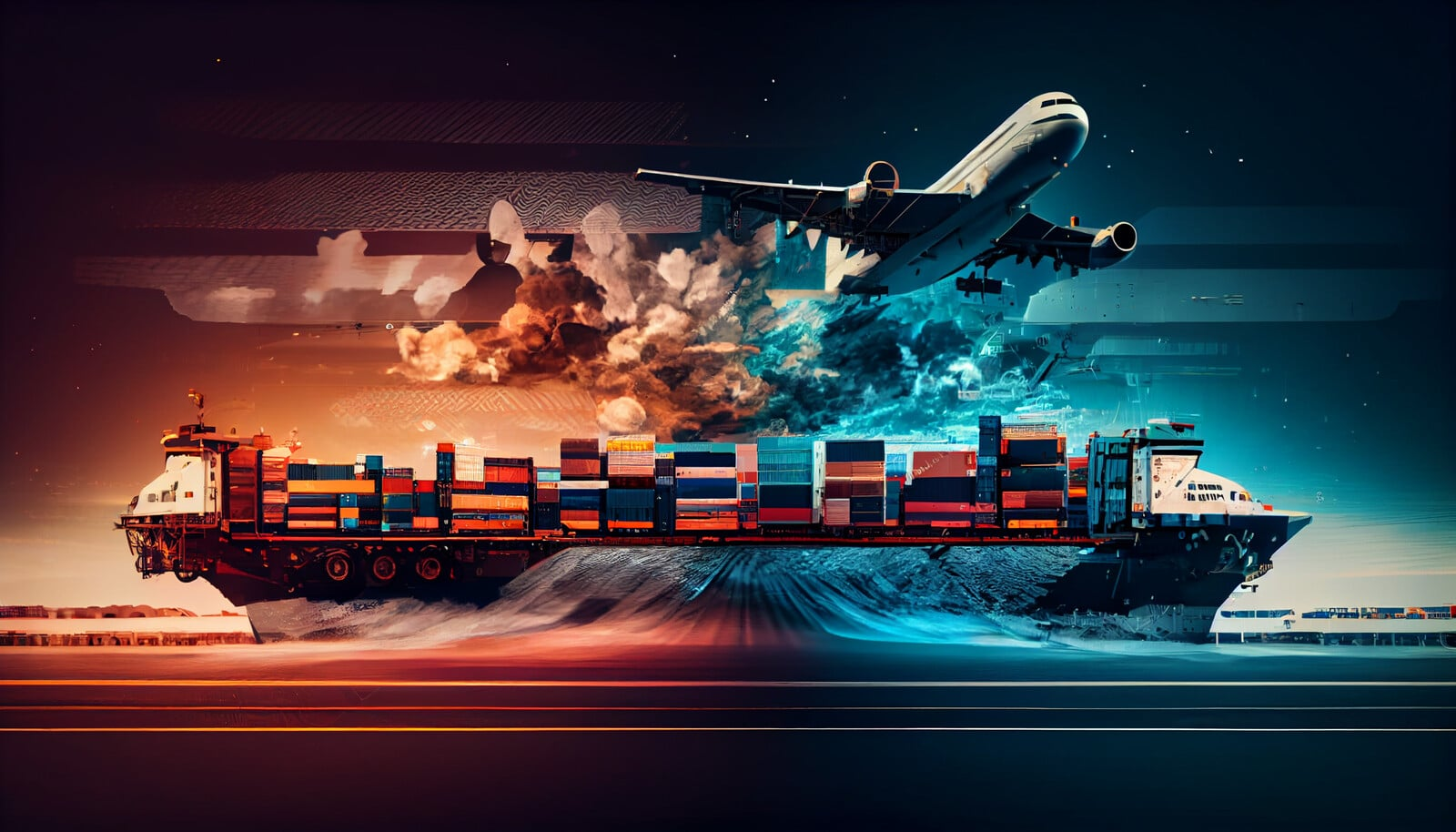
Sea Freight from China to Germany: A 2026 Logistics Guide
Navigating the complexities of sea freight from China to Germany requires a strategic approach to ensure your supply chain remains resilient. Whether you are moving industrial machinery or consumer goods, our team at Ai Logistics China provides the expertise to streamline your international trade. By optimizing your shipping routes and documentation, you can significantly reduce transit delays and unexpected expenses.

Understanding Shipping Methods for China to Germany
Choosing between FCL and LCL is the first step in managing your sea freight from China to Germany effectively. Full Container Load (FCL) offers security and speed for high-volume shipments, while Less than Container Load (LCL) provides a cost-effective solution for smaller cargo volumes.
To manage your logistics, you may want to explore sea freight options that balance cost with safety. Furthermore, understanding the nuances of port-to-port versus door-to-door services will help you avoid common pitfalls in the import process.
How Does Sea Freight Compare to Other Shipping Options?
While sea freight remains the backbone of trade, it is essential to consider alternatives when speed is a priority. For instance, air freight offers unmatched speed for urgent inventory, albeit at a higher premium. Alternatively, rail freight serves as a sustainable middle-ground, providing faster transit than sea at a lower cost than air.
For businesses managing e-commerce inventory, utilizing Amazon FBA logistics can simplify the final delivery stage. Additionally, our customs brokerage services ensure that your shipments clear European borders without bureaucratic hurdles.
| Method | Cost | Transit Time | Best For |
|---|---|---|---|
| Sea Freight | Low | 30-40 Days | Bulk/Heavy Goods |
| Rail Freight | Medium | 15-20 Days | High-Value Items |
| Air Freight | High | 5-10 Days | Urgent Cargo |
Optimizing Your Supply Chain Logistics
Effective supply chain management involves staying ahead of global logistics trends. As of 2026, freight rates have stabilized, yet seasonal peaks require advanced planning to secure vessel space. Indeed, working with an experienced partner ensures that your cargo handling meets international standards.
Moreover, businesses shipping to Europe should focus on documentation compliance to prevent customs delays. By maintaining accurate shipping manifests, you protect your business from costly demurrage and detention charges.
Final Thoughts on Shipping to Germany
To summarize, successful sea freight from China to Germany relies on careful planning, choice of transport mode, and adherence to customs regulations. By leveraging professional logistics support, you can ensure your goods arrive safely and on schedule.
Indeed, the right shipping strategy will provide a competitive edge in your market. Start planning your next shipment today to ensure efficiency and cost-effectiveness in 2026.
Need a tailored shipping solution?
Ready to optimize your supply chain? Contact our team today to request a custom quote for your sea freight from China to Germany. Let us handle the complexity while you focus on growing your business.