


Container Rollover at Destination Port: Strategies for 2026
“Facing a container rollover at destination port can disrupt your entire supply chain schedule. Whether you are shipping via Ai Logistics China or other global partners, understanding the root causes of congestion is essential. We help importers navigate these complex logistics hurdles effectively.”
❖
What Causes a Container Rollover at Destination Port?
❖
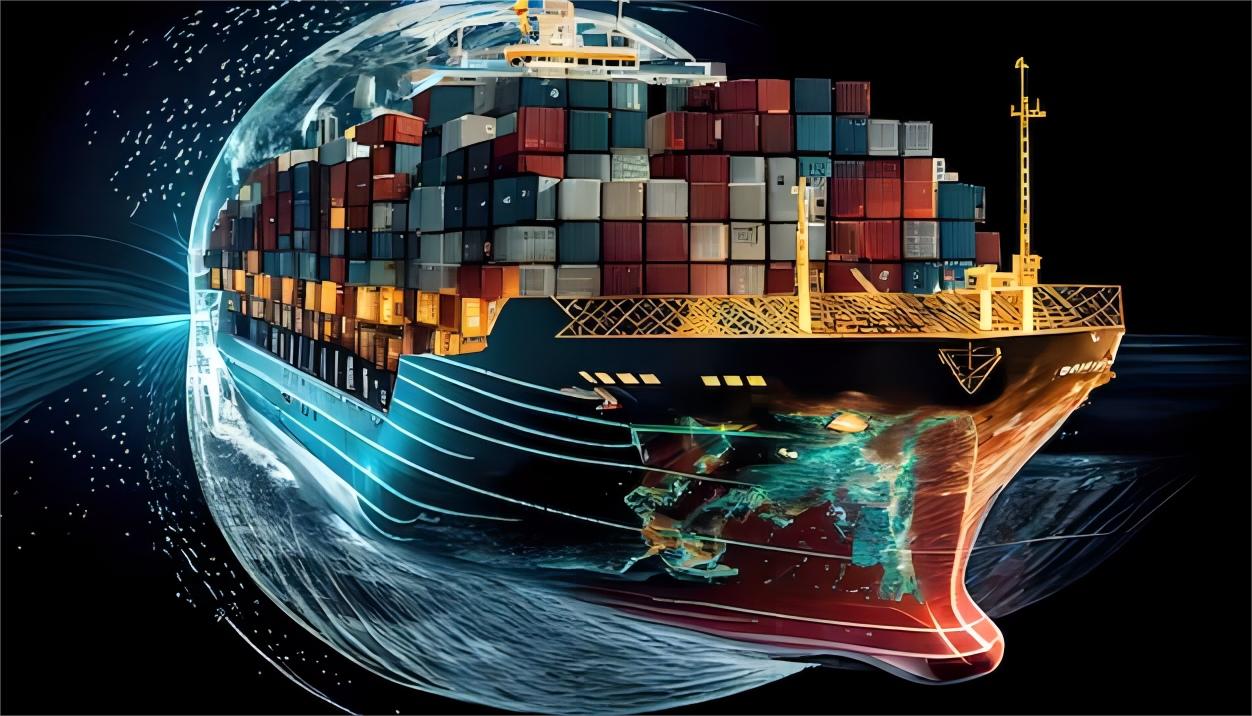
A container rollover at destination port typically occurs when a vessel fails to discharge cargo as scheduled. Consequently, the container remains on the vessel and continues to another port or returns to the origin.
Port congestion is the primary driver of these incidents in 2026. Furthermore, labor shortages and equipment imbalances often exacerbate the situation, leaving containers stranded in transit.
Importers should prioritize reliable partners to mitigate risk. Consider using sea freight solutions that provide real-time tracking and proactive alerts.
❖
How Does Sea Freight Compare to Other Shipping Options?
❖
Choosing the right transport method depends on your budget and urgency. While sea freight is cost-effective, it is most vulnerable to port delays.
In contrast, air freight offers superior speed for time-sensitive goods. However, the costs are significantly higher for large volumes.
For shipments across Eurasia, rail freight serves as a balanced alternative. It remains faster than ocean shipping but cheaper than air options.
| Method | Cost | Transit Time | Reliability |
|---|---|---|---|
| Sea | Low | 25-40 Days | Moderate |
| Air | High | 3-7 Days | High |
| Rail | Medium | 15-20 Days | High |

❖
Managing Customs and Documentation
❖
Documentation errors often lead to secondary rollovers. Therefore, ensuring your customs brokerage paperwork is accurate is mandatory.
In addition, clear communication with your carrier helps identify potential bottlenecks early. Always verify that your cargo manifest matches the arrival notice perfectly.
❖
Logistics Strategies for High-Volume Importers
❖
High-volume shippers should diversify their carrier mix to avoid total reliance on one line. Moreover, utilizing door to door shipping services provides end-to-end oversight.
Finally, for businesses selling on platforms like Amazon, specialized amazon fba logistics can streamline the final delivery process significantly.
Summary of Managing Rollovers
Successfully navigating a container rollover at destination port requires vigilance and proactive planning. By understanding the causes, such as port congestion and documentation errors, importers can better defend their delivery schedules.
Always maintain open communication with your freight forwarder to anticipate disruptions. With the right strategies in place, you can ensure your goods reach their destination despite global logistics challenges.
Ready to streamline your logistics?
Are you struggling with persistent shipping delays or a container rollover at destination port? Contact our expert team today to optimize your logistics strategy and secure your supply chain. Send Inquiry to our team at https://ailogisticschina.com/ to get started.
Frequently Asked Questions
What is a container rollover?
Can I prevent rollovers?
Who pays for rollover costs?
How long does a rollover delay last?
Does air freight experience rollovers?
Should I use insurance for delays?