


Shipping Quote China to Mexico: 2026 Freight Rates Guide
Navigating the complexities of international trade requires a precise shipping quote China to Mexico to ensure your business remains profitable in 2026. Whether you are importing high-tech electronics or heavy industrial machinery, finding a reliable logistics partner like ailogisticschina.com helps streamline your entire supply chain. This comprehensive guide provides the latest market insights into freight costs, transit schedules, and customs procedures for the trans-Pacific route.

How to Request an Accurate Shipping Quote China to Mexico?
Obtaining a reliable quote starts with providing detailed information about your cargo to your freight forwarder. Specifically, you must include the weight, dimensions, and the nature of the goods to receive a precise calculation. Consequently, incomplete data often leads to unexpected surcharges during the transit process.
Moreover, specifying the exact port of loading and the final destination in Mexico is essential for calculating local drayage fees. For example, shipping to Manzanillo differs significantly in cost from shipping to Veracruz or Altamira. Therefore, always verify the postal codes of your warehouses to avoid pricing discrepancies.
Furthermore, modern digital platforms allow for faster quote generation by integrating real-time carrier data. However, manual verification by an expert remains the best way to ensure that all local Mexican taxes and duties are accounted for. In addition, you should ask about current fuel surcharges which fluctuate weekly.
What Factors Influence the Shipping Quote China to Mexico in 2026?
Market conditions in early 2026 have stabilized, but several variables still dictate the final price of your shipment. Primarily, fuel costs and carrier capacity remain the most volatile elements affecting global logistics trends. Additionally, seasonal peaks such as the period before the Lunar New Year can cause rates to spike by 20 percent.
Port congestion at major Mexican hubs like Manzanillo also plays a critical role in determining your total landed cost. When vessels wait outside the port, carriers often implement congestion surcharges to cover their operational losses. Meanwhile, labor availability and inland infrastructure in Mexico influence the speed of final delivery.
Currency fluctuations between the US Dollar and the Mexican Peso can further impact your financial planning. Since most international freight is billed in USD, a weak Peso makes imports more expensive for local businesses. Consequently, savvy importers often lock in rates through long-term contracts to mitigate these financial risks.
How Does Sea Freight Compare to Other Shipping Options?
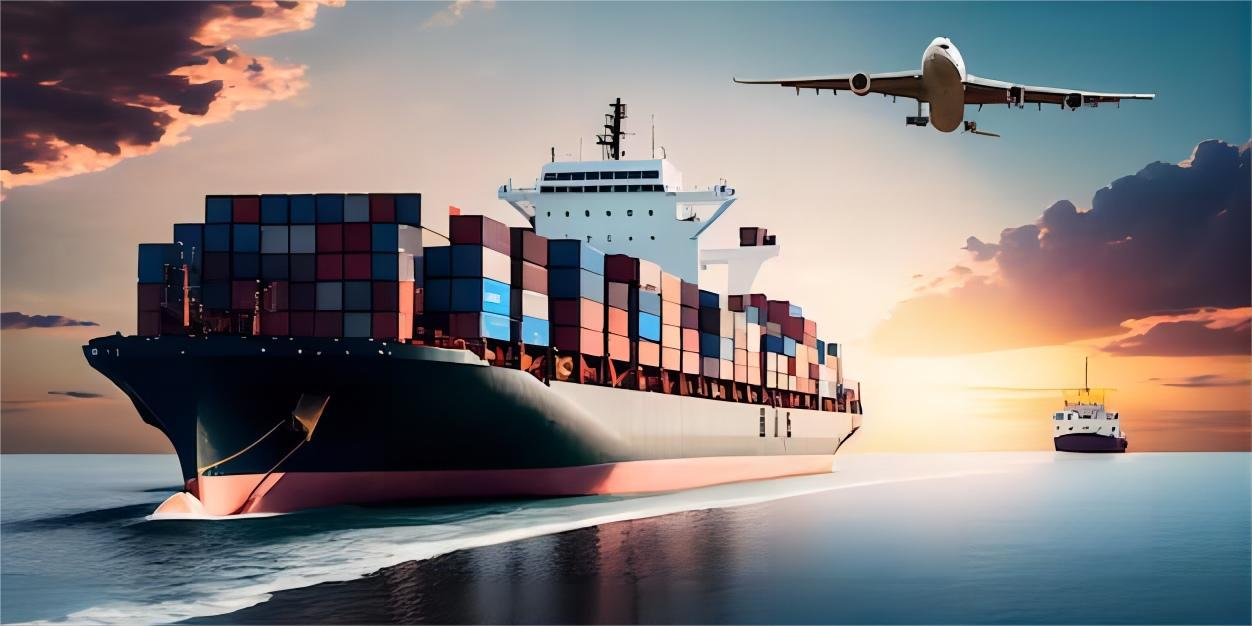
Selecting the right transportation mode is a balance between your budget constraints and your required delivery schedule. While sea freight remains the most economical choice for large volumes, air freight offers unmatched speed for time-sensitive cargo. Understanding the trade-offs between these methods is vital for maintaining a competitive edge.
Alternative strategies like multimodal transport can sometimes provide a middle ground for specific logistical challenges. For instance, combining sea transport with truck delivery through the United States is an option, though it involves complex customs hurdles. Nevertheless, most businesses prefer direct sea routes for bulk commodities and industrial equipment.
Hybrid solutions such as sea-air combinations are gaining popularity for shipments that are too heavy for pure air freight but too urgent for sea. This approach typically involves shipping by sea to a hub like Los Angeles and then flying the goods to Mexico City. As a result, you save money compared to pure air freight while reducing the transit time of standard sea freight.
| Shipping Method | Cost Range | Transit Time | Best For |
|---|---|---|---|
| Sea Freight (FCL) | $2,500 – $4,500 | 25 – 35 Days | Large bulk orders |
| Sea Freight (LCL) | $80 – $150/CBM | 30 – 40 Days | Small business inventory |
| Air Freight | $5.00 – $9.00/kg | 5 – 8 Days | High-value electronics |
| Express Service | $9.00 – $15.00/kg | 3 – 5 Days | Samples and documents |
Understanding Air Freight Rates for Urgent Deliveries
When your supply chain requires immediate replenishment, air freight is the most effective solution available. Although the cost per kilogram is higher than sea transport, the reduction in inventory holding costs can justify the investment. Specifically, perishable goods and high-fashion items rely heavily on this fast-paced shipping method.
Airlines calculate charges based on either actual weight or volumetric weight, whichever is greater. For example, a large box of lightweight foam may cost more to ship than a small, heavy box of metal parts. Therefore, optimizing your packaging to reduce empty space is a key strategy for lowering air cargo expenses.
Direct flights from major Chinese hubs like Shanghai or Shenzhen to Mexico City are limited, often requiring transshipment through the USA or Europe. Consequently, you should factor in an extra 24 to 48 hours for ground handling at these intermediate hubs. In addition, ensure your documentation is flawless to prevent delays during these transfers.

FCL vs LCL: Which Sea Freight Method Fits Your Budget?
Choosing between Full Container Load (FCL) and Less than Container Load (LCL) depends largely on your shipment volume. For shipments exceeding 15 cubic meters, sea freight in a dedicated 20ft container is usually more cost-effective. Moreover, FCL offers better security as your goods are not co-loaded with cargo from other shippers.
On the other hand, LCL is an excellent choice for smaller businesses that do not have enough inventory to fill a whole container. In this scenario, you only pay for the space you occupy, which significantly reduces the barrier to entry for international trade. However, be aware that LCL involves extra handling and consolidation time at the port.
Typical rates for a 40HQ container from Ningbo to Manzanillo in early 2026 range between $3,800 and $4,800 depending on the carrier. In contrast, LCL rates might hover around $95 per cubic meter plus local destination fees. Consequently, you should perform a total cost analysis before deciding which sea freight method to utilize.
| Container Type | Capacity (CBM) | Max Weight (kg) | 2026 Est. Cost |
|---|---|---|---|
| 20GP Container | 28-30 | 26,000 | $2,200 – $3,000 |
| 40GP Container | 56-58 | 26,000 | $3,500 – $4,200 |
| 40HQ Container | 68-70 | 26,000 | $3,800 – $4,800 |
| LCL (per CBM) | 1-15 | Variable | $85 – $130 |
Door to Door Shipping Solutions from China to Mexico
Many modern importers prefer door to door services because they simplify the entire logistics chain into a single transaction. This service covers everything from the initial pickup at the Chinese factory to the final delivery at your warehouse in Monterrey or Guadalajara. Consequently, it removes the need for you to manage multiple vendors and local transport companies.
This all-inclusive approach typically includes export clearance, ocean or air freight, and final mile delivery. Furthermore, the freight forwarder handles all the heavy lifting regarding communication with carriers and port authorities. Indeed, this peace of mind is often worth the slightly higher service fee associated with comprehensive logistics packages.
To get the most out of this service, ensure your provider has a strong local network within Mexico. Specifically, the final mile in Mexico can be challenging due to varying road conditions and security considerations. Therefore, working with a partner who understands the local landscape is essential for a smooth delivery experience.
Which Option Should You Choose? Decision Framework
Determining the best shipping route requires a clear understanding of your business priorities. If your primary goal is cost minimization and you have flexible deadlines, sea freight is the undisputed winner. However, if you are facing a stock-out situation, the speed of air freight becomes a necessity regardless of the higher price tag.
Volume thresholds also play a major role in this decision-making process. For instance, shipments under 100kg are almost always better suited for express service due to simplified customs and fast transit. Conversely, once your volume exceeds 500kg, the price gap between express and standard air freight starts to widen significantly.
Cargo type considerations cannot be ignored when selecting a shipping method. Heavy machinery is physically impossible to ship via standard air cargo, requiring specialized ocean vessels. Meanwhile, sensitive electronics might suffer from the humidity of long sea voyages, making air transport a safer alternative for product integrity.

Real Case Studies: Successful Shipments in 2026
Case Study 1: Industrial Machinery Delivery. Route: Ningbo, China to Manzanillo, Mexico. Cargo: CNC Machines, 28 CBM, 12,000 kg. Container: 20GP. Shipping Details: Carrier: COSCO. Port of Loading: Ningbo. Port of Discharge: Manzanillo. Route Type: Direct. Cost Breakdown: Ocean Freight: $2,450. Origin Charges: $450. Destination Charges: $600. Customs and Duties: $1,200. Total Landed Cost: $4,700. Timeline: Booking to Loading: 5 days. Sea Transit: 28 days. Customs Clearance: 3 days. Total Door-to-Door: 36 days. Key Insight: Early booking allowed the client to secure a rate 15 percent below the monthly average.
Case Study 2: Urgent Retail Stock. Route: Shenzhen, China to Mexico City. Cargo: Consumer Electronics, 2.5 CBM, 450 kg. Method: Air Freight. Shipping Details: Carrier: Cathay Pacific. Port of Loading: Shenzhen. Port of Discharge: MEX Airport. Route Type: Transshipment via Hong Kong. Cost Breakdown: Air Freight: $3,150. Origin Charges: $200. Destination Charges: $350. Customs and Duties: $800. Total Landed Cost: $4,500. Timeline: Booking to Loading: 2 days. Air Transit: 4 days. Customs Clearance: 2 days. Total Door-to-Door: 8 days. Key Insight: Using air freight prevented a major retail stock-out during the peak holiday season.
Essential Customs Documents for Mexico Imports
Navigating the Mexican customs landscape requires meticulous attention to detail and professional customs brokerage expertise. Without the correct paperwork, your shipment could face lengthy delays or expensive fines at the border. Specifically, the Pedimento is the most critical document, acting as the official tax declaration for all imported goods.
Furthermore, you must ensure that your commercial invoice is translated into Spanish if requested by the local authorities. Additionally, the Bill of Lading must accurately reflect the contents and weight of the container to match the packing list. Therefore, cross-referencing all documents before the ship leaves China is a mandatory step for successful importers.
Many products also require specific NOM (Normas Oficiales Mexicanas) certifications to enter the country legally. For example, electrical items and textiles have strict safety and labeling standards that must be met. Consequently, failing to obtain these certificates in advance will lead to your cargo being held indefinitely at the port of entry.
| Document Name | Purpose | Required By |
|---|---|---|
| Commercial Invoice | Proof of transaction and value | Customs / SAT |
| Packing List | Detailed content breakdown | Port Authorities |
| Bill of Lading | Contract of carriage | Shipping Line |
| Pedimento | Official import declaration | Mexican Government |
| Certificate of Origin | Verify manufacturing location | Customs for Tariffs |
Final Thoughts on Securing Your Shipping Quote China to Mexico
In summary, obtaining an accurate shipping quote China to Mexico is the first step toward a successful international trade operation in 2026. By understanding the differences between sea and air freight, and preparing your documentation in advance, you can avoid common pitfalls. Furthermore, partnering with a knowledgeable freight forwarder ensures that you stay informed about fluctuating market rates and local regulations.
Ultimately, the goal is to balance speed, cost, and reliability to keep your customers satisfied and your margins healthy. Whether you choose FCL, LCL, or express delivery, always prioritize clear communication and detailed planning. Note: Freight rates are subject to change based on fuel costs, carrier capacity, and seasonal demand. Contact us for a current quote tailored to your specific shipment.
Start Your Shipment
Ready to optimize your supply chain and secure a competitive shipping quote China to Mexico? Contact our expert team today to receive a personalized logistics strategy tailored to your business needs. Visit ailogisticschina.com to get started with your inquiry. Send Inquiry: Visit our contact page to speak with a specialist.
Frequently Asked Questions
How long does it take to ship from China to Mexico?
What is the cheapest way to ship goods to Mexico?
Do I need a customs broker in Mexico?
What are the main ports in Mexico for China imports?
How is air freight cost calculated?
Can I ship hazardous materials from China to Mexico?
What is a Pedimento in Mexican shipping?
Are there seasonal price increases for this route?