


Shipping Cost China to Spain: 2026 Freight Rates and Logistics Guide
Calculating the precise shipping cost China to Spain is essential for businesses looking to maintain competitive pricing in the Mediterranean market. As global trade dynamics shift in early 2026, understanding the variables that drive freight expenses allows for better budgetary planning and inventory management. Visit ailogisticschina.com to access real-time quotes and comprehensive logistics support designed to streamline your international trade operations. Whether you are importing consumer electronics or industrial machinery, selecting the right transport mode significantly impacts your bottom line.
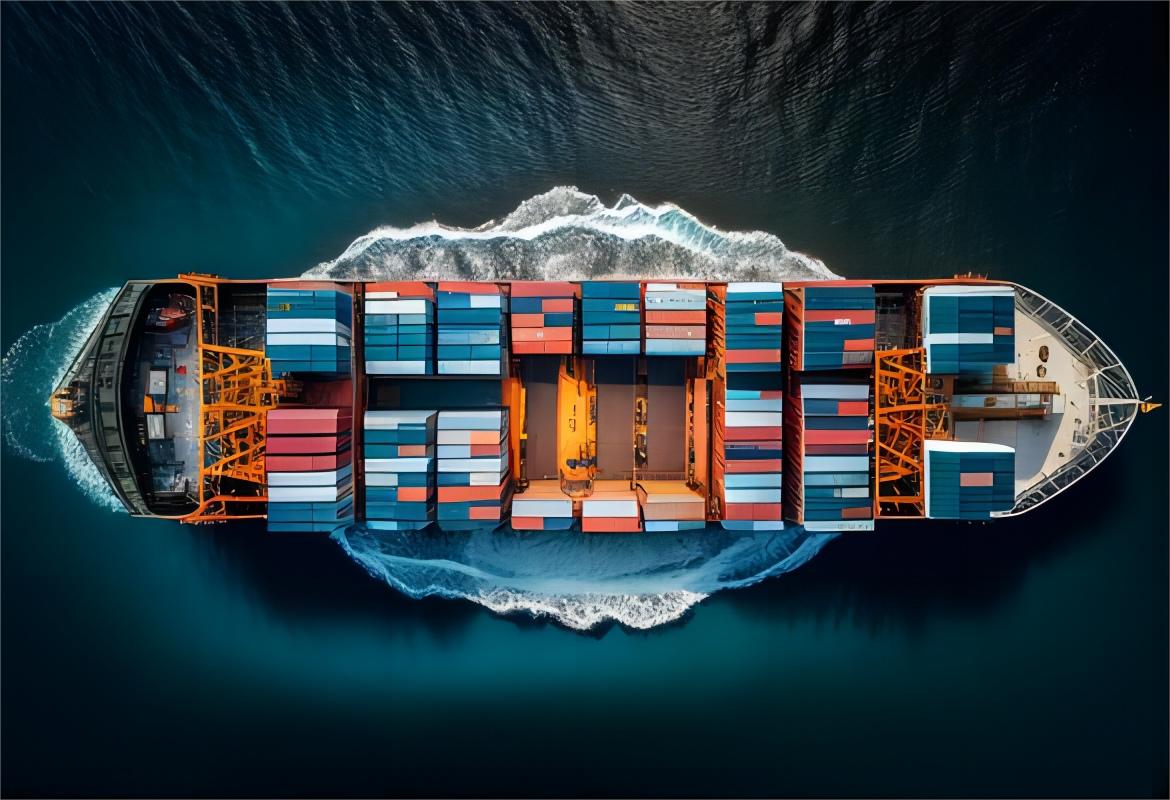
What Factors Determine the Shipping Cost China to Spain in 2026?
Several critical elements influence the total shipping cost China to Spain, ranging from fuel surcharges to seasonal demand spikes. Market data suggests that fuel price volatility remains a primary driver of ocean and air freight fluctuations as carriers adjust to new environmental regulations. Moreover, the choice between different shipping modes will dictate the base rate before any additional local charges or duties are applied.
Seasonal trends significantly impact pricing, particularly during the peak periods leading up to the Golden Week and the Chinese New Year. During these times, capacity becomes scarce, and carriers often implement General Rate Increases (GRI) that can raise costs by 20 percent or more. Consequently, planning shipments several weeks in advance is a vital strategy for avoiding the highest market rates.
Port congestion and labor availability in major hubs like Shanghai or Valencia also play a role in determining final expenses. When ports experience delays, surcharges for container detention and demurrage can accumulate quickly, increasing the overall landed cost. Furthermore, the specific nature of your cargo, including weight and dimensions, will determine which pricing model is most applicable for your shipment.
Sea Freight: The Most Economical Solution for Large Shipments
For businesses prioritizing budget over speed, sea freight remains the most cost-effective method for transporting large volumes of goods. This mode is particularly suitable for bulky items, raw materials, and high-quantity consumer goods that do not require immediate delivery. In 2026, ocean carriers have expanded their capacity on the Asia-Europe lanes, providing more stable pricing for Spanish importers.
Importers can choose between Full Container Load (FCL) and Less than Container Load (LCL) depending on their specific volume requirements. FCL is generally more efficient for shipments exceeding 15 cubic meters, as it offers a flat rate per container and reduces the risk of damage during handling. On the other hand, LCL allows smaller businesses to share container space, paying only for the volume they occupy.
Transit times for sea freight from major Chinese ports to Spanish destinations like Barcelona or Algeciras typically range from 30 to 40 days. While this is the slowest method, the significantly lower shipping cost China to Spain makes it the backbone of the global supply chain. Additionally, sea transport has a lower carbon footprint per ton of cargo compared to air transport, aligning with modern sustainability goals.
| Container Type | Average Cost (USD) | Transit Time | Capacity |
|---|---|---|---|
| 20ft Container (20GP) | $1,950 – $2,600 | 32-38 Days | 33 CBM |
| 40ft Container (40GP) | $3,100 – $4,200 | 32-38 Days | 67 CBM |
| 40ft High Cube (40HQ) | $3,400 – $4,600 | 32-38 Days | 76 CBM |
| LCL (Per CBM) | $60 – $95 | 38-45 Days | Flexible |
How Does Air Freight Compare to Other Shipping Options?
When time is the most critical factor, air freight provides the fastest transit times between China and Spain. This method is ideal for high-value electronics, fashion items, or urgent medical supplies that must reach the market within a few days. However, the premium speed comes with a much higher shipping cost China to Spain compared to sea or rail alternatives.
Air cargo pricing is calculated based on either actual weight or volumetric weight, whichever is higher, which means lightweight but bulky items can be expensive to ship. Industry averages for 2026 indicate that air freight rates have stabilized, yet they remain susceptible to changes in jet fuel costs. Therefore, air transport is best reserved for shipments where the value of speed outweighs the increased logistics expenditure.
Choosing air freight can also lead to secondary savings in inventory carrying costs and insurance premiums. Because the goods are in transit for a shorter duration, businesses can maintain leaner inventory levels and reduce the capital tied up in the supply chain. Nevertheless, for most standard commercial goods, the cost difference remains a significant barrier to using air freight for every shipment.
| Shipping Method | Cost Range | Transit Time | Best For |
|---|---|---|---|
| Air Freight | $4.50 – $8.50 per kg | 3-7 Days | Urgent, High-Value |
| Rail Freight | $120 – $180 per CBM | 18-24 Days | Mid-range Budget |
| Sea Freight (FCL) | $2,500 – $4,500 per unit | 30-40 Days | Bulk, Non-urgent |
| Express Service | $7.00 – $12.00 per kg | 2-5 Days | Small Parcels |

Rail Freight: A Strategic Middle Ground for European Trade
As part of the expanding trade infrastructure across Europe, rail freight has emerged as a viable alternative for Spanish importers. This mode offers a balance between the speed of air freight and the low cost of sea freight, making it an attractive option for many businesses. Specifically, the Yixinou railway line connects Yiwu directly to Madrid, providing a unique overland route for diverse cargo types.
Using rail freight can reduce transit times by nearly 50 percent compared to traditional ocean routes. While it is more expensive than sea freight, the reduced lead times allow for faster turnover of goods and improved cash flow. Consequently, many automotive and industrial equipment manufacturers utilize rail to maintain their just-in-time production schedules without the extreme costs of air transport.
Environmental considerations also favor rail, as it produces significantly fewer emissions than air or road transport over similar distances. In 2026, enhancements to border crossing procedures have further streamlined rail logistics, reducing the likelihood of delays at customs checkpoints. Indeed, rail is becoming a cornerstone of resilient supply chains that seek to diversify away from purely maritime routes.
The Role of Customs Brokerage in Managing Your Total Landed Cost
Navigating Spanish customs regulations is a critical step that can influence the final shipping cost China to Spain. Improper documentation or incorrect tariff classifications can lead to heavy fines, storage fees, and lengthy delays at the port of entry. Therefore, partnering with a professional customs brokerage service is essential for ensuring compliance and minimizing unexpected expenses.
Importers must account for Value Added Tax (VAT) and various import duties which vary depending on the product category and its declared value. In 2026, the European Union has implemented stricter reporting requirements for carbon-intensive products, which may add administrative costs to certain shipments. Specifically, understanding the Harmonized System (HS) codes for your goods is the first step in accurately estimating your tax liability.
Effective customs management involves preparing all necessary documents, including the Commercial Invoice, Packing List, and Bill of Lading, well before the cargo arrives. Additionally, some products may require specific certificates of origin or safety inspections to clear Spanish customs. By proactively managing these requirements, businesses can avoid the hidden costs associated with administrative errors and cargo holds.
Simplifying Logistics with Door to Door Services
For many small to medium-sized enterprises, managing multiple logistics providers can be overwhelming and inefficient. Choosing a door to door service simplifies the entire process by consolidating all steps under a single point of contact. This comprehensive solution covers everything from factory pickup in China to final delivery at your warehouse in Spain, including all intermediate handling and customs clearance.
While the upfront quote for door-to-door service might seem higher than port-to-port rates, it often results in a lower total shipping cost China to Spain due to reduced administrative overhead. Furthermore, it eliminates the risk of communication gaps between different freight forwarders and local trucking companies. This integrated approach provides greater visibility into the shipment’s progress and ensures more reliable delivery schedules.
In 2026, digital tracking technology has become a standard feature of door-to-door logistics, allowing importers to monitor their cargo in real-time. This level of transparency is invaluable for managing customer expectations and planning local distribution activities. Ultimately, the convenience and reliability of end-to-end service make it a preferred choice for businesses looking to minimize logistical headaches.

Which Option Should You Choose? Decision Framework
Selecting the optimal shipping method requires a careful analysis of your business priorities, cargo volume, and delivery deadlines. If your primary goal is to minimize the shipping cost China to Spain and your timeline allows for a month of transit, sea freight is the clear winner. However, if you are launching a new product or responding to a sudden surge in demand, air freight may be necessary despite the higher price tag.
For shipments that fall between these extremes, rail freight offers a compelling alternative that balances speed and cost effectively. Consider the value-to-weight ratio of your goods; high-value items can often absorb the cost of faster shipping more easily than low-margin bulk commodities. Additionally, hybrid solutions like sea-air or rail-sea combinations can sometimes provide customized benefits for specific geographic routes.
Always factor in the ‘hidden’ costs such as insurance, packaging, and domestic trucking at both the origin and destination. A lower freight rate on paper might be offset by higher local handling fees or longer wait times that tie up your capital. By evaluating the total landed cost rather than just the port-to-port rate, you can make a more informed decision that supports your long-term profitability.
Realistic Case Studies: China to Spain Shipments in 2026
To provide a clearer picture of current market conditions, we have documented several real-world scenarios based on early 2026 logistics data. These examples illustrate how different variables impact the final shipping cost China to Spain and the associated timelines for various cargo types.
Case Study 1: Electronics from Shenzhen to Madrid. Cargo: 450 kg of consumer tablets. Shipping Method: Air Freight. Port of Loading: Shenzhen (SZX). Port of Discharge: Madrid (MAD). Ocean Freight: N/A. Air Freight: $3,150. Origin Charges: $220. Destination Charges: $180. Customs and Duties: $850. Total Landed Cost: $4,400. Timeline: 6 days door-to-door. Key Insight: High-value electronics benefited from rapid delivery to meet market demand, justifying the air freight premium.
Case Study 2: Furniture from Ningbo to Valencia. Cargo: 40HQ Container of home office furniture. Shipping Method: Sea Freight (FCL). Port of Loading: Ningbo. Port of Discharge: Valencia. Route Type: Direct. Ocean Freight: $3,850. Origin Charges: $450. Destination Charges: $520. Customs and Duties: $1,200. Total Landed Cost: $6,020. Timeline: 36 days. Key Insight: Using a 40HQ container maximized the volume-to-cost ratio for bulky furniture items, keeping individual unit costs low.
Case Study 3: Industrial Parts from Wuhan to Barcelona. Cargo: 8 CBM of machine components. Shipping Method: Rail Freight (LCL). Route: Wuhan-Madrid-Barcelona. Rail Freight: $1,360. Origin Charges: $310. Destination Charges: $290. Customs and Duties: $540. Total Landed Cost: $2,500. Timeline: 22 days. Key Insight: Rail provided a faster alternative to sea freight for mid-sized industrial parts without the extreme expense of air transport.
Final Thoughts on Managing Shipping Cost China to Spain
In conclusion, managing the shipping cost China to Spain requires a proactive approach and a deep understanding of the various freight modes available in 2026. While sea freight remains the most economical choice for bulk shipments, air and rail options provide essential speed and flexibility for time-sensitive cargo. By considering factors like seasonality, customs compliance, and total landed costs, importers can make strategic decisions that protect their margins.
As the logistics landscape continues to evolve, staying informed about market trends and carrier capacities will remain a competitive advantage. Remember that the cheapest rate is not always the most cost-effective if it results in delays or damaged goods. Partnering with a reliable freight forwarder ensures that your shipping cost China to Spain is optimized for both budget and performance, allowing your business to thrive in the Spanish market.

Start Your Shipment
Optimizing your shipping cost China to Spain is the first step toward a more profitable international trade strategy. Our team of logistics experts is ready to help you navigate the complexities of 2026 freight rates and customs regulations. Contact us today to receive a personalized quote and discover how our tailored shipping solutions can enhance your supply chain efficiency.
Frequently Asked Questions
What is the cheapest way to ship from China to Spain?
How long does shipping take from China to Spain in 2026?
Do I have to pay import duties when shipping to Spain?
Can I ship small packages from China to Spain?
What documents are needed for Spain customs clearance?
How is air freight cost calculated for Spanish imports?
Is rail freight a reliable option for China to Spain?
How can I reduce my shipping cost China to Spain?