


Shipping Cost China to Saudi Arabia: 2026 Freight Guide
Navigating the complexities of international logistics requires a clear understanding of the current shipping cost China to Saudi Arabia. Many businesses struggle with fluctuating rates and complex customs regulations that can impact their bottom line significantly. This comprehensive guide provides the latest market intelligence for 2026 to help you optimize your supply chain. Whether you are a first-time importer or an experienced trader, working with a professional partner like DSV-Freight ensures your cargo moves efficiently through global trade lanes.

What Factors Determine the Shipping Cost China to Saudi Arabia?
Determining the final price of your shipment involves several variables that fluctuate based on global economic conditions. Fuel surcharges, port congestion, and seasonal demand spikes are primary drivers of price volatility in early 2026.
Weight and volume play a critical role because carriers charge based on the greater of the two. For instance, light but bulky items might incur higher costs than small, heavy packages due to the space they occupy on a vessel or aircraft.
Distance between specific city pairs also influences the quote. Shipping from Shenzhen to Dammam typically costs less than shipping from a northern port like Tianjin to the inland city of Riyadh due to additional domestic transport requirements.
Choosing the right sea freight option can save thousands of dollars for large volume shipments. However, you must balance these savings against the longer transit times associated with ocean transport.
How Does Sea Freight Compare to Other Shipping Options?
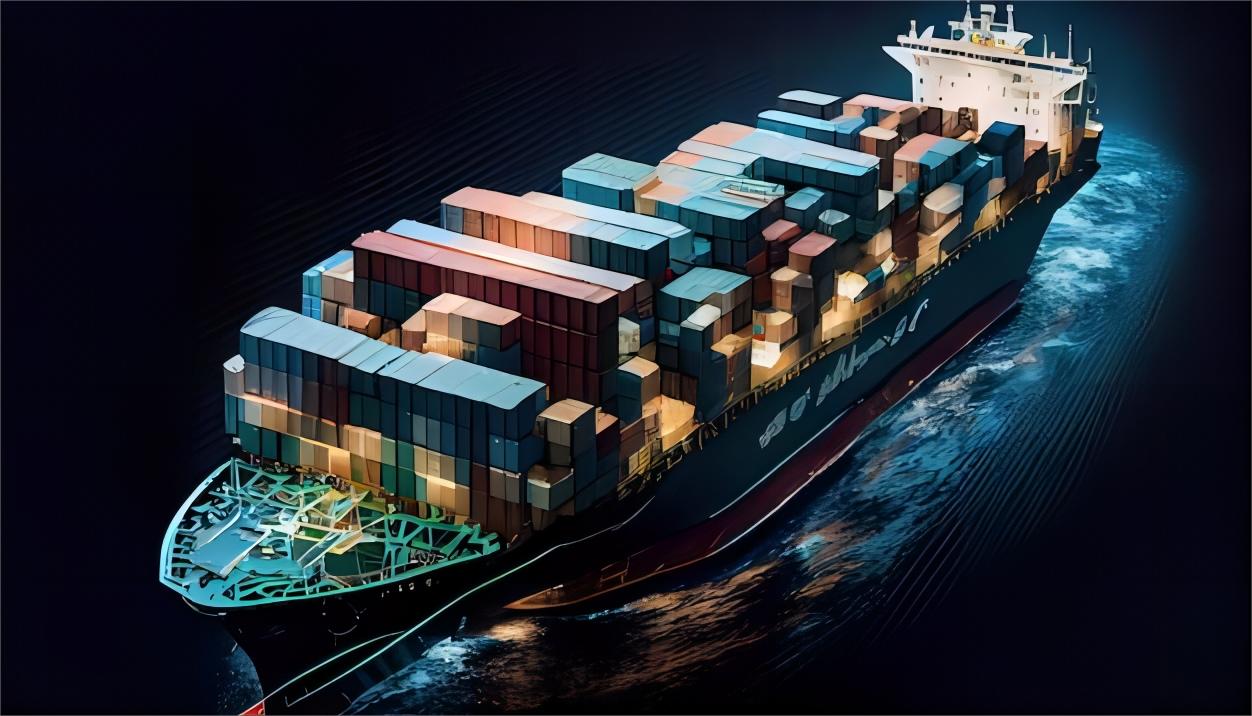
Sea freight remains the backbone of trade between China and the Middle East, offering the most economical rates for bulk cargo. In the current 2026 market, ocean rates have stabilized, making it the preferred choice for furniture, machinery, and construction materials.
Alternative strategies are essential when your business needs to balance speed and cost. For example, if sea freight is too slow but air freight is too expensive, some forwarders offer sea-air hybrid solutions via hubs like Dubai to optimize the schedule.
FCL (Full Container Load) is generally more cost-effective for shipments exceeding 15 cubic meters. Conversely, LCL (Less than Container Load) allows smaller businesses to share container space, though the cost per unit is higher due to consolidation handling.
Note: Freight rates are subject to change based on fuel costs, carrier capacity, and seasonal demand. Contact us for a current quote tailored to your specific shipment.
| Shipping Method | Cost Range | Transit Time | Best For |
|---|---|---|---|
| Sea Freight (FCL) | $1,200 – $3,500 | 25-35 Days | Bulk goods and large machinery |
| Air Freight | $4.50 – $7.50/kg | 4-7 Days | High-value electronics and urgent stock |
| Express Shipping | $8.00 – $12.00/kg | 3-5 Days | Small samples and critical documents |
| Sea-Air Hybrid | $2.50 – $4.00/kg | 12-18 Days | E-commerce inventory replenishment |
Air Freight vs Express: Which is Faster for Saudi Imports?
Speed is the primary advantage when you choose air freight for your high-priority cargo. While the cost is higher than ocean transport, the reduction in inventory holding costs often justifies the investment for tech products.
Express services provide the ultimate convenience by offering door-to-door delivery with all-inclusive pricing. This method is ideal for packages under 100kg where speed and tracking visibility are the top priorities for the importer.
Moreover, air cargo security standards are significantly higher, reducing the risk of theft or damage during transit. Consequently, insurance premiums for air shipments are often lower than those for sea-bound goods.
Visit our express service page to see how we handle time-sensitive deliveries across the Kingdom.
Which Option Should You Choose? A Decision Framework
Budget priority dictates a move toward sea freight. If your margin is thin and your lead times are flexible, ocean transport is the only viable path to maintain profitability in a competitive market.
Speed priority requires air or express solutions. When launching a new product or meeting a strict contract deadline, the higher freight cost is a necessary trade-off for market entry speed.
Volume thresholds often determine the switch between LCL and FCL. Generally, once your shipment reaches 13-15 CBM, booking a full 20ft container becomes cheaper than paying individual cubic meter rates for LCL.
Cargo type considerations are also vital. Hazardous materials or perishable goods may have restricted options, often requiring specialized air transport or refrigerated containers (reefers) via sea.
Understanding Customs Duties and Documentation in Saudi Arabia
Importing into Saudi Arabia requires strict adherence to the Zakat, Tax and Customs Authority (ZATCA) regulations. Failure to provide accurate documentation can lead to expensive port storage fees and lengthy delays.
Utilizing a professional customs brokerage service is highly recommended to navigate the SABER platform and SASO certification requirements. These experts ensure your HS codes are correct to avoid overpaying duties.
Indeed, the Saudi government has modernized its customs processes, but the requirement for original commercial invoices and certificates of origin remains a standard practice for all commercial shipments.
Standard duty rates in Saudi Arabia typically range from 5% to 15%, though some items may be exempt or subject to higher protective tariffs depending on the local industry.
| Document Name | Required For | Purpose | Issuer |
|---|---|---|---|
| Commercial Invoice | All Shipments | Value verification | Seller/Exporter |
| Packing List | All Shipments | Cargo inspection | Seller/Exporter |
| Certificate of Origin | All Shipments | Trade compliance | Chamber of Commerce |
| SASO Certificate | Regulated Goods | Product safety | Certified Body |

Door to Door and Amazon FBA Solutions
Streamlining your logistics is possible through door to door services that manage every step from the factory floor in China to your warehouse in Riyadh. This model eliminates the need for you to coordinate multiple vendors.
E-commerce sellers frequently utilize specialized routes for Amazon FBA Saudi Arabia. These services include labeling, palletizing, and direct delivery to fulfillment centers in Jeddah or Riyadh, ensuring compliance with Amazon’s strict receiving guidelines.
Furthermore, DDP (Delivered Duty Paid) options allow importers to pay a single all-in price that covers freight, duties, and taxes. This provides cost certainty and simplifies accounting for small to medium-sized enterprises.
Transitioning to a managed logistics model often reduces the total landed cost by minimizing administrative overhead and preventing unexpected port charges.
Realistic Case Studies for China to Saudi Arabia Routes
Case Study 1: Electronics from Shenzhen to Riyadh
Route: Shenzhen, China to Riyadh, Saudi Arabia
Cargo: Consumer Electronics, 3.5 CBM, 850 kg
Method: Air Freight (Standard)
Shipping Details:
– Carrier: Saudi Arabian Airlines (Saudia Cargo)
– Port of Loading: Shenzhen Bao’an (SZX)
– Port of Discharge: Riyadh King Khalid (RUH)
– Route Type: Direct
Cost Breakdown:
– Air Freight: $5,525 ($6.50/kg)
– Origin Charges: $250
– Destination Charges: $320
– Customs Duties (estimated): $1,200
– Total Landed Cost: $7,295
Timeline:
– Booking to Loading: 2 days
– Air Transit: 1 day
– Customs Clearance: 2 days
– Total Door-to-Door: 5 days
Key Insight: Using a direct flight from SZX to RUH avoided transshipment delays in Dubai, which was critical for this seasonal product launch in Q1 2026.
Case Study 2: Industrial Machinery from Ningbo to Dammam
Route: Ningbo, China to Dammam, Saudi Arabia
Cargo: Textile Machinery, 28 CBM
Container: 1 x 40GP
Shipping Details:
– Carrier: COSCO Shipping
– Port of Loading: Ningbo-Zhoushan
– Port of Discharge: King Abdulaziz Port (Dammam)
– Route Type: Direct
Cost Breakdown:
– Ocean Freight: $2,850
– Origin Charges: $450
– Destination Charges: $600
– Customs & Duties: $3,400
– Total Landed Cost: $7,300
Timeline:
– Booking to Loading: 5 days
– Sea Transit: 24 days
– Customs Clearance: 4 days
– Total Door-to-Door: 33 days
Key Insight: Shipping via Dammam instead of Jeddah saved the client $800 in inland trucking costs as the final destination was in the Eastern Province.
Final Thoughts on Shipping from China to Saudi Arabia
Securing a competitive shipping cost China to Saudi Arabia requires a strategic approach that considers transit time, cargo volume, and customs compliance. By evaluating all available methods, from economical sea freight to rapid air cargo, you can choose the solution that best fits your business objectives.
Market conditions in 2026 suggest that proactive planning and early booking are essential to avoiding peak season surcharges. Working with a reliable logistics partner will help you navigate the complexities of the Saudi market and ensure your goods arrive safely and on time.
Ultimately, the goal is to find a balance between speed and expenditure while maintaining high service standards for your customers. Start your journey today by requesting a detailed freight analysis tailored to your specific needs.
Ready to streamline your logistics?
Ready to optimize your supply chain and reduce your shipping cost China to Saudi Arabia? Contact our expert team today for a customized quote and professional logistics advice. Send Inquiry: https://ailogisticschina.com/

Frequently Asked Questions
What is the cheapest way to ship from China to Saudi Arabia?
Sea freight is the most economical method for large shipments. For volumes over 2 CBM, ocean transport offers significantly lower rates than air freight, though it takes 25 to 35 days to arrive.
How much does air freight cost per kg from China to Saudi Arabia?
In early 2026, air freight rates typically range between $4.50 and $7.50 per kilogram. Prices vary based on the total weight, volume, and the specific departure city in China.
How long does shipping take from China to Jeddah?
Sea freight to Jeddah usually takes 20 to 28 days from southern China ports. Air freight is much faster, typically delivering goods within 4 to 7 business days including customs clearance.
Do I need a SASO certificate for all imports?
Most consumer goods require a SASO Certificate of Conformity to enter Saudi Arabia. This document proves that products meet local safety and quality standards and is managed through the SABER platform.
Are there hidden fees in Saudi shipping quotes?
Common additional costs include port handling charges, document fees, customs duties, and VAT. Always request a DAP or DDP quote to understand the full landed cost of your cargo.
Can I ship batteries from China to Saudi Arabia?
Yes, but batteries are classified as dangerous goods. They require special packaging, specific documentation, and must be handled by carriers certified to transport hazardous materials.
What is the VAT rate for imports in Saudi Arabia?
The standard Value Added Tax (VAT) rate in Saudi Arabia is 15%. This is calculated based on the CIF value of the goods plus the applicable customs duties.
Is door-to-door shipping available for small businesses?
Many freight forwarders offer door-to-door services for small shipments through LCL or express routes. This service includes pickup in China, international transit, and final delivery in Saudi Arabia.