

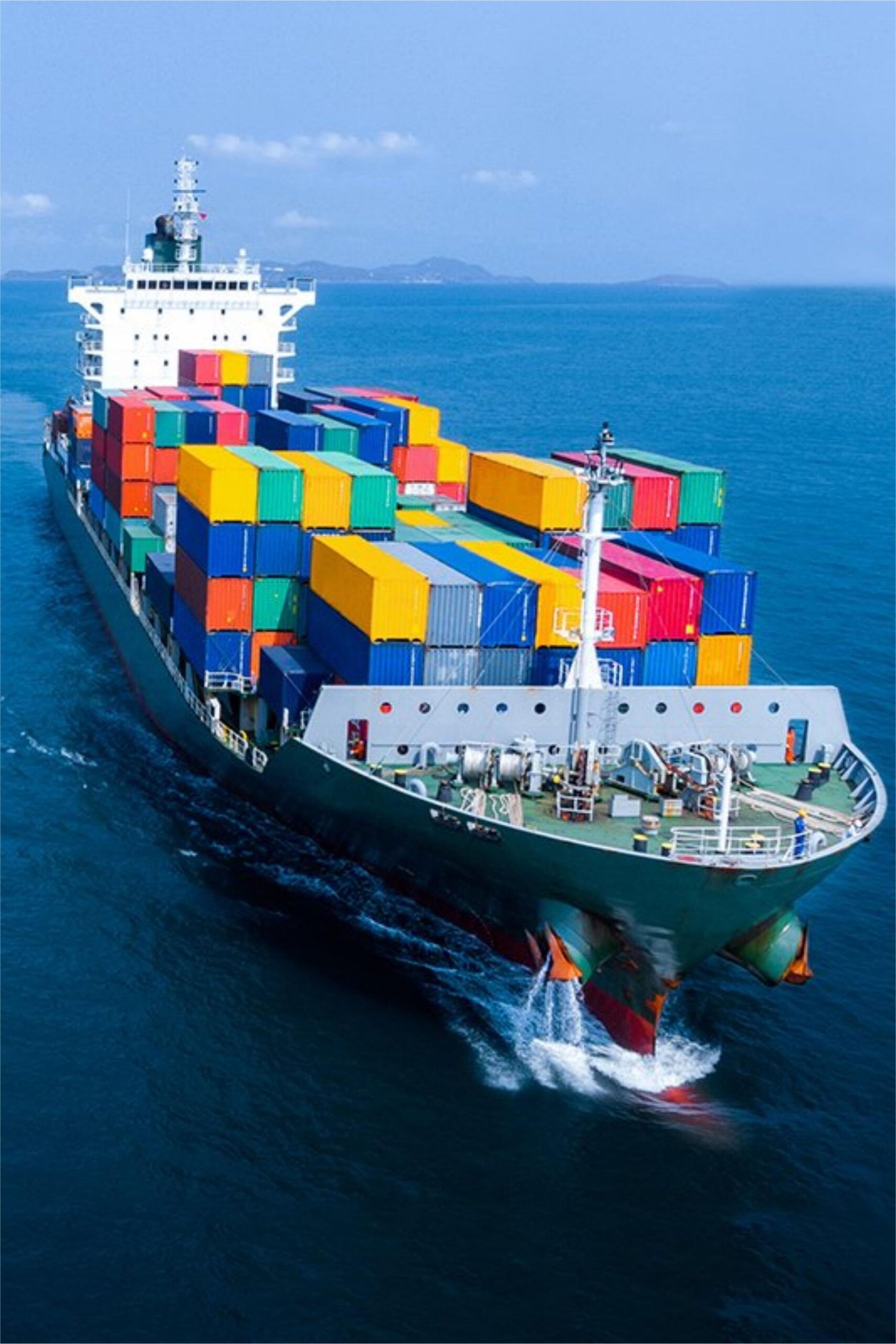
Shipping Quote China to Spain: 2026 Cost and Freight Guide
Securing a competitive shipping quote China to Spain is essential for businesses looking to maintain healthy profit margins in the current global market. Navigating the complexities of international logistics requires a partner that understands the nuances of Mediterranean trade routes and European customs regulations. At DSV-Freight, we provide comprehensive logistics solutions tailored to your specific cargo needs while ensuring full compliance with 2026 trade standards. This guide explores the various factors influencing freight costs and provides the data you need to optimize your supply chain from Asia to the Iberian Peninsula.
✦

How to Request an Accurate Shipping Quote China to Spain?
Obtaining a precise estimate begins with providing detailed information about your shipment to your freight forwarder. Specifically, you must include the dimensions, total weight, and the nature of the goods being transported to avoid unexpected surcharges. Furthermore, the choice between different incoterms like FOB or EXW will significantly impact the final price reflected in your quote.
Market conditions in early 2026 suggest that fuel prices and port congestion levels remain the primary drivers of price volatility. Consequently, shippers should request quotes at least two weeks in advance to lock in favorable rates before seasonal fluctuations occur. Additionally, verifying the specific pickup location in China and the final delivery address in Spain ensures that local trucking costs are accurately calculated.
What are the Primary Shipping Methods to Spain in 2026?
Businesses typically choose between three main modes of transport based on their budget and urgency requirements. While sea freight remains the most economical choice for large volumes, air and rail options provide faster alternatives for time-sensitive inventory. Selecting the right method involves balancing the landed cost against the required delivery schedule.
Moreover, the development of the New Silk Road has made rail transport a more viable middle-ground option for Spanish importers. However, air freight continues to dominate the high-value electronics and pharmaceutical sectors where speed is the absolute priority. Understanding the trade-offs between these methods is the first step in optimizing your logistics strategy.
| Shipping Method | Average Transit Time | Cost Level | Best For |
|---|---|---|---|
| Sea Freight (FCL) | 30-45 Days | Low | Bulk Goods |
| Air Freight | 5-8 Days | High | Urgent/High Value |
| Rail Freight | 20-28 Days | Medium | Mid-size Shipments |
| Express Service | 3-5 Days | Very High | Small Parcels |
How Does Sea Freight Compare to Other Shipping Options?
Comparing sea freight to air or rail requires a deep dive into the total landed cost rather than just the base freight rate. For example, while a 40HQ container might cost between $3,500 and $4,800 in 2026, air freight for the same volume would be prohibitively expensive. Therefore, sea freight is almost always the default choice for furniture, machinery, and consumer staples.
On the other hand, sea freight involves longer lead times that can tie up your capital in transit for over a month. If your business model relies on quick inventory turnover, the higher cost of air or rail might be justified by the reduction in storage fees. Choosing the best path depends on your specific volume thresholds and cash flow requirements.
| Method | Cost Range (2026) | Transit Time | Limitations |
|---|---|---|---|
| Sea (FCL) | $2,800 – $4,500 | 32-40 Days | Slowest Speed |
| Sea (LCL) | $80 – $150/CBM | 35-45 Days | Handling Risks |
| Air Freight | $5.50 – $9.00/kg | 5-9 Days | Weight Limits |
| Rail Freight | $180 – $280/CBM | 22-26 Days | Fixed Routes |

Utilizing Air Freight for Urgent Spanish Deliveries
When your supply chain faces unexpected delays, air freight provides the necessary speed to recover your schedule. This method is particularly effective for high-fashion items or seasonal products that must reach the Spanish market before a specific deadline. Indeed, the reliability of air schedules in 2026 has improved significantly with new direct routes from Shanghai to Madrid.
Furthermore, smaller shipments under 300kg often find air freight more cost-effective when considering the total door-to-door logistics chain. Because air cargo requires less protective packaging than sea freight, you can often save money on packing materials and insurance premiums. Consequently, always ask for an air quote if your shipment is relatively small or high in value.
The Growth of Rail Freight from China to Spain
Rail transport has emerged as a strategic alternative for businesses that need faster delivery than sea but cannot afford air prices. Utilizing rail freight allows cargo to reach terminals in Madrid or Zaragoza in approximately three weeks. This method bridges the gap between the two traditional modes of transport effectively.
Additionally, rail freight is considered more environmentally friendly than air transport, helping Spanish companies meet their sustainability goals for 2026. However, it is important to note that rail capacity can be limited during peak seasons like the weeks leading up to the Lunar New Year. Therefore, booking your space on the China-Europe Railway Express early is a critical strategy for success.
Navigating Customs Brokerage and Spanish Import Duties
Importing goods into Spain requires a thorough understanding of the European Union’s customs union and specific national requirements. Working with a professional customs brokerage ensures that your EORI number and HS codes are correctly applied to the shipment. Errors in documentation can lead to costly delays at the Port of Valencia or Algeciras.
Moreover, you must be prepared to pay Value Added Tax (VAT) and any applicable anti-dumping duties depending on the product category. In 2026, Spanish customs authorities have increased their scrutiny of electronic goods and textiles to ensure compliance with safety standards. Consequently, having all your certificates of origin and technical data sheets ready is more important than ever.
Door to Door Shipping Solutions for Spanish Importers
Many businesses prefer a hands-off approach by choosing door to door services that manage the entire journey. This comprehensive solution covers everything from factory pickup in Guangdong to final delivery at your warehouse in Barcelona. By consolidating all costs into a single shipping quote China to Spain, you gain better visibility over your total expenses.
Indeed, this method eliminates the need for you to coordinate with multiple local truckers and warehouse operators in different time zones. Meanwhile, your logistics provider handles the transshipment and customs clearance processes on your behalf. As a result, you can focus on sales and marketing while the logistics experts manage the physical movement of your goods across Europe.

Which Shipping Option Should You Choose?
Deciding on the best shipping method requires a clear understanding of your business priorities and cargo characteristics. If your primary goal is to minimize costs and you have flexible lead times, sea freight is the undisputed winner. However, for shipments that are high-value or have a short shelf life, air freight is the only logical choice.
Specifically, if your cargo volume is between 10 and 15 cubic meters, rail freight often provides the best balance of speed and cost. For very small shipments or samples, express courier services provide the fastest transit times with the simplest documentation. Always evaluate your current inventory levels before making a final decision on the transport mode.
Budget Priority Strategies
For budget-conscious shippers, choosing LCL (Less than Container Load) sea freight can save significant money on smaller volumes. Additionally, shipping to secondary ports in Spain might offer lower terminal handling charges compared to major hubs like Barcelona. Always compare multiple quotes to find the most competitive ocean freight rates for 2026.
Speed and Reliability Priorities
When speed is the priority, direct air freight from major Chinese hubs like Shenzhen or Beijing is the most reliable path. Furthermore, choosing a premium air service can guarantee space during peak shipping seasons in late 2026. This approach ensures that your supply chain remains resilient even during periods of high market demand.
Real-World Case Studies: Shipping to Spain in 2026
Examining real-world examples helps to illustrate how different shipping methods perform in practice for various types of cargo. These cases reflect actual market conditions and pricing structures observed during the first half of 2026. Each scenario highlights different challenges and the logistics strategies used to overcome them.
Case Study 1: Electronics from Shenzhen to Madrid Route: Shenzhen, China to Madrid, Spain Cargo: Consumer Electronics, 450kg, 2.5 CBM Method: Air Freight Carrier: Major Cargo Airline Cost Breakdown: – Air Freight: $3,200 – Origin Charges: $250 – Destination Charges: $300 – Total Landed Cost: $3,750 Timeline: 6 Days Door-to-Door Key Insight: Using air freight allowed the client to meet a product launch deadline that sea freight would have missed by weeks.
Case Study 2: Home Furniture from Ningbo to Barcelona Route: Ningbo, China to Barcelona, Spain Cargo: Wooden Furniture, 1 x 40HQ Container Method: Sea Freight (FCL) Carrier: COSCO Shipping Cost Breakdown: – Ocean Freight: $4,100 – Origin Charges: $450 – Destination Charges: $550 – Customs & Duties: $1,200 – Total Landed Cost: $6,300 Timeline: 38 Days Port-to-Port Key Insight: Bulk shipping via 40HQ provided the lowest cost per unit for large, heavy items. Based on Q2 2026 market rates.
Case Study 3: Industrial Parts from Wuhan to Valencia Route: Wuhan, China to Valencia, Spain Cargo: Machine Components, 12 CBM Method: Rail Freight Service: China-Europe Railway Express Cost Breakdown: – Rail Freight: $2,800 – Local Trucking: $400 – Customs Clearance: $200 – Total Landed Cost: $3,400 Timeline: 24 Days Door-to-Door Key Insight: Rail offered a 15-day time saving over sea freight at only 40% of the cost of air freight.
Cost-Saving Strategies and 2026 Market Trends
Reducing your logistics expenses requires a proactive approach to planning and a deep understanding of current market trends. One effective strategy is to consolidate multiple small shipments into a single FCL container to reduce the cost per cubic meter. Furthermore, optimizing your packaging to minimize wasted space can lead to significant savings in both air and sea freight.
Market data suggests that rates typically increase by 15-25% during the peak season from August to October. Consequently, shipping your non-urgent inventory during the slack season can result in substantial budgetary relief. Additionally, staying informed about new trade agreements between China and the EU can help you take advantage of reduced tariffs or simplified customs procedures.
Summary of Shipping from China to Spain
In conclusion, obtaining the best shipping quote China to Spain involves a careful analysis of your cargo needs, budget, and required transit times. Whether you choose the cost-effective sea route, the balanced rail option, or the high-speed air freight method, working with a reliable forwarder is essential. By understanding the 2026 market landscape and utilizing the strategies outlined in this guide, you can ensure your goods arrive safely and efficiently.
Remember that freight rates are subject to change based on fuel costs, carrier capacity, and seasonal demand. Always verify current prices and documentation requirements before finalizing your shipment to Spain. With the right planning and professional support, your international trade operations can achieve new levels of success.

Ready to optimize your supply chain with a competitive shipping quote China to Spain? Contact our expert logistics team today to receive a customized freight solution tailored to your 2026 business goals. Visit our website to request your free quote now. Send Inquiry: Visit ailogisticschina.com
Frequently Asked Questions
What is the cheapest way to ship from China to Spain?
How long does shipping take from China to Spain?
What documents are needed for Spanish customs?
Can I ship door to door from China to Spain?
Are there rail freight options to Spain?
How are shipping costs calculated in 2026?
Do I need insurance for my shipment to Spain?
What are the major ports in Spain for China imports?