
Get the Best Shipping Quote China to Germany in 2026
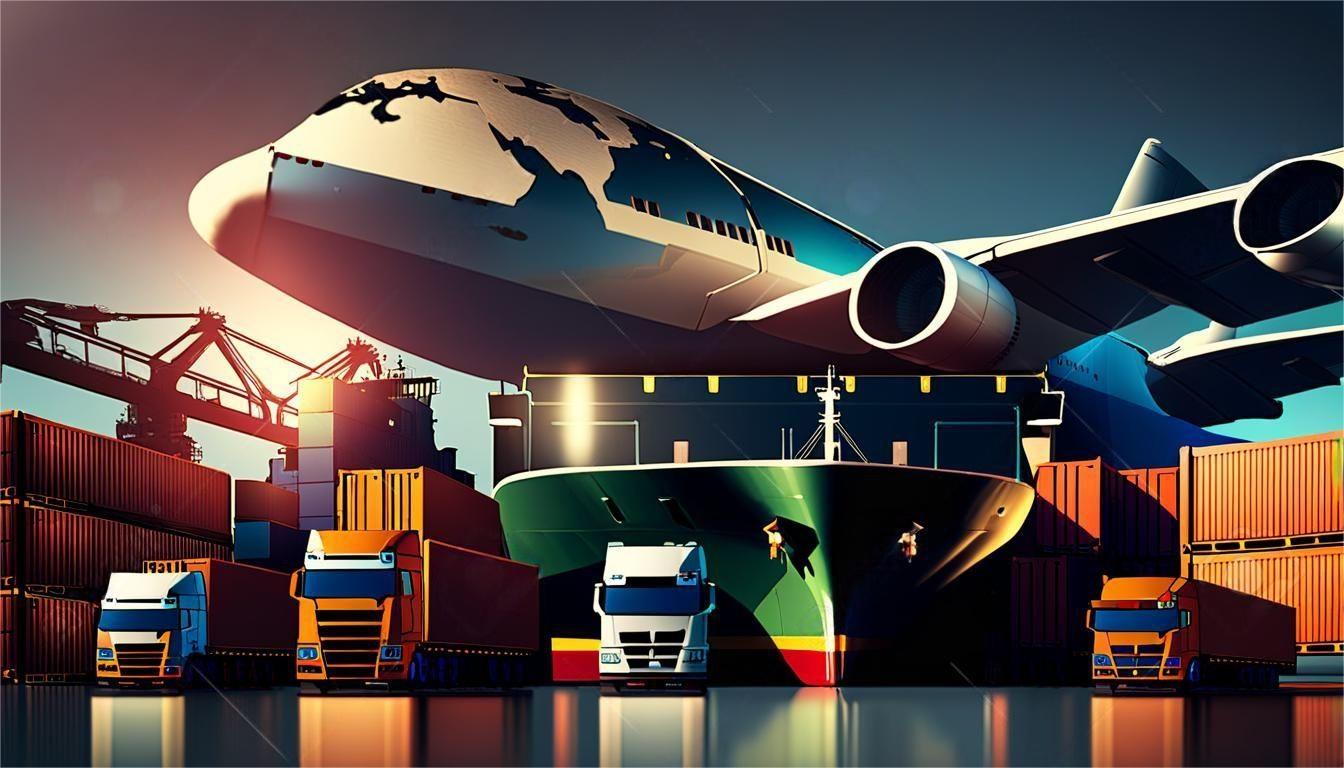
Navigating international logistics requires precise planning and accurate data to ensure profitability for your business. Obtaining a competitive shipping quote China to Germany is the first step toward building a resilient supply chain in 2026. At ailogisticschina.com, we simplify complex global trade by providing transparent pricing and reliable service. Whether you are importing electronics, machinery, or consumer goods, understanding current market trends is vital for success.
Understanding Freight Costs and Market Trends in 2026
Market conditions in early 2026 have stabilized significantly following the logistical disruptions of previous years. Consequently, businesses can now access more predictable freight rates when requesting a shipping quote China to Germany. Moreover, the integration of digital tracking and AI-driven route optimization has improved efficiency across all major shipping lanes.
Importers should note that seasonal fluctuations still play a major role in pricing strategies. Specifically, rates typically increase by 15-25 percent during the peak season from August to October. Furthermore, the Chinese New Year period continues to see capacity constraints and temporary price hikes due to factory closures.
Environmental regulations within the European Union, such as the Emissions Trading System (ETS), now impact total landed costs. Therefore, modern shipping quotes often include a green surcharge to account for carbon offset requirements. Indeed, choosing carriers with newer, more fuel-efficient fleets can sometimes reduce these specific regulatory fees.
Technological advancements in 2026 allow for real-time price comparisons between different carriers. Additionally, many logistics providers now offer fixed-rate contracts for high-volume shippers to mitigate the risk of spot market volatility. Nevertheless, maintaining a flexible approach remains essential for responding to sudden shifts in global trade dynamics.
How Sea Freight Quote China to Germany Functions
Sea freight remains the most economical choice for transporting large volumes of goods across long distances. When you request a sea freight quote, you will typically choose between Full Container Load (FCL) and Less than Container Load (LCL) options. FCL is ideal for large shipments that can fill a 20-foot or 40-foot container, offering better security and faster handling.
LCL shipping allows multiple importers to share container space, which is perfect for smaller cargo volumes. However, LCL shipments often involve longer transit times due to the consolidation and deconsolidation processes at the ports. Consequently, shippers must weigh the cost savings against the potential for a slightly slower delivery schedule.
Major German ports like Hamburg, Bremerhaven, and Wilhelmshaven serve as the primary gateways for ocean cargo. Meanwhile, Chinese ports such as Shanghai, Ningbo, and Shenzhen provide the highest frequency of departures. Selecting the right port pair can significantly influence both the transit time and the final shipping quote China to Germany.
Carriers in 2026 have introduced more direct routes to Northern Europe to bypass traditional transshipment hubs. As a result, direct transit times have improved, often reaching German ports within 30 to 35 days. In contrast, transshipment via Singapore or Colombo may add an additional 7 to 10 days to the total journey.
| Container Type | Average Rate Range | Transit Time | Capacity |
|---|---|---|---|
| 20GP Container | $1,900 – $2,600 | 30-35 Days | 33 CBM |
| 40GP Container | $2,900 – $3,900 | 32-38 Days | 67 CBM |
| 40HQ Container | $3,100 – $4,300 | 32-38 Days | 76 CBM |
| LCL (per CBM) | $60 – $95 | 35-45 Days | Variable |
Rapid Delivery via Air Freight Solutions
Air freight is the preferred method for high-value, time-sensitive, or perishable goods that require immediate delivery. When speed is the priority, an air freight quote provides the fastest possible transit between China and Germany. Specifically, standard air freight typically takes 5 to 8 days, while express services can deliver within 3 to 5 days.
Costs for air transport are calculated based on either actual weight or volumetric weight, whichever is higher. Therefore, businesses should optimize their packaging to minimize the volume and reduce the overall shipping quote China to Germany. For instance, removing excess padding or using vacuum-sealed bags can lead to substantial savings on air cargo fees.
Frankfurt Airport acts as the central hub for air cargo in Germany, handling the majority of international shipments from China. Additionally, Munich and Leipzig airports offer excellent facilities for specialized cargo and express courier services. Moreover, the availability of belly cargo space on passenger flights has increased in 2026, providing more competitive pricing for smaller shipments.
Security and safety regulations for air cargo are exceptionally strict, especially for items containing lithium batteries or liquids. Consequently, importers must ensure all documentation is perfectly accurate to avoid delays at airport customs. Indeed, professional logistics providers play a crucial role in managing these complex compliance requirements for air shipments.
Rail Freight: A Strategic Alternative for Europe
Rail freight has emerged as a powerful middle-ground solution, offering faster transit than sea freight at a lower cost than air freight. By utilizing the New Silk Road, rail freight connects major Chinese industrial hubs directly to German rail terminals. Specifically, cities like Duisburg and Hamburg have become vital inland ports for trains arriving from Xi’an, Chengdu, and Zhengzhou.
Transit times for rail shipments generally range from 16 to 22 days, making it an excellent choice for seasonal inventory. Furthermore, rail transport is significantly more environmentally friendly than air freight, aligning with the sustainability goals of many modern enterprises. As a result, more German companies are incorporating rail into their regular supply chain operations.
Stability in rail pricing has improved in 2026 as infrastructure investments along the trans-Eurasian corridors have matured. However, rail capacity can become tight during peak periods, so early booking is highly recommended to secure space. Additionally, rail freight is particularly well-suited for automotive parts, machinery, and medium-value consumer electronics.
Customs procedures for rail freight are often streamlined at border crossings, reducing the risk of unexpected bottlenecks. Meanwhile, the use of GPS-enabled smart containers allows for precise tracking of cargo as it moves across multiple countries. Consequently, businesses can manage their inventory levels more effectively with reliable data on their rail shipments.
How Does Sea Freight Compare to Other Shipping Options?
Choosing the right shipping method requires a careful analysis of your budget, timeline, and cargo characteristics. While sea freight costs $3,100-$4,300 for a 40HQ, air freight for the same volume would cost $18,000-$28,000 but arrives in 5-7 days instead of 30-40 days. Therefore, the decision often hinges on whether the speed of delivery justifies the significantly higher investment.
Rail freight offers a compelling alternative for those who need a balance between cost and speed. For a shipment that is too heavy for air but too urgent for sea, rail provides a reliable solution that typically costs about 50% less than air. Additionally, hybrid solutions like sea-air combinations via Dubai or Singapore are available for specific logistics needs.
Cost-saving strategies often involve shifting from LCL to FCL as your business grows and your volumes increase. For example, once a shipment exceeds 15 cubic meters, booking a full 20-foot container is often more economical than paying for individual CBM rates. Furthermore, consolidating multiple small orders into a single large shipment can reduce administrative and handling fees.
Direct routes generally cost 10-15% more than transshipment options but provide greater reliability and shorter transit times. If your supply chain can tolerate a longer lead time, choosing a transshipment route can be an effective way to lower your shipping quote China to Germany. Nevertheless, always consider the potential for delays at busy transshipment hubs when making this choice.
| Shipping Method | Cost Range | Transit Time | Ideal Use Case |
|---|---|---|---|
| Sea Freight (FCL) | $2,500 – $4,500 | 30-40 Days | Bulk goods and low-value items |
| Air Freight | $5.50 – $9.50/kg | 4-8 Days | Urgent and high-value cargo |
| Rail Freight | $1,800 – $2,800 | 18-24 Days | Mid-value goods and seasonal stock |
| Express Service | $8.00 – $14.00/kg | 3-5 Days | Small samples and documents |
Real Case Studies: Logistics Success Stories
Examining real-world examples helps illustrate how different shipping methods perform in practice under current market conditions. These cases reflect typical scenarios encountered by German importers in 2025 and 2026, showcasing the importance of strategic planning. Specifically, the following examples highlight the trade-offs between speed, cost, and reliability.
Case Study 1: Electronics from Shenzhen to Hamburg Route: Shenzhen, China to Hamburg, Germany Cargo: Smart Home Devices, 6 CBM, 1400 kg Container: LCL Service Shipping Details: – Carrier: Major Ocean Carrier – Port of Loading: Shenzhen – Port of Discharge: Hamburg – Route Type: Direct Cost Breakdown: – Ocean Freight: $540 – Origin Charges: $180 – Destination Charges: $220 – Customs and Duties: $450 – Total Landed Cost: $1,390 Timeline: – Booking to Loading: 4 days – Sea Transit: 33 days – Customs Clearance: 2 days – Total Door-to-Door: 39 days Key Insight: LCL was the most cost-effective choice for this mid-sized volume, despite the longer transit time.
Case Study 2: Industrial Parts from Ningbo to Munich Route: Ningbo, China to Munich, Germany Cargo: Precision Machinery Components, 180 kg Container: Air Freight (Standard) Shipping Details: – Carrier: International Air Cargo – Port of Loading: Shanghai Pudong (PVG) – Port of Discharge: Munich (MUC) – Route Type: Direct Flight Cost Breakdown: – Air Freight: $1,260 – Origin/Destination Fees: $210 – Customs Clearance: $150 – Total Landed Cost: $1,620 Timeline: – Booking to Loading: 2 days – Air Transit: 1 day – Customs and Delivery: 3 days – Total Door-to-Door: 6 days Key Insight: The urgency of the production line required air freight, which delivered the parts in under a week.
Note: Freight rates are subject to change based on fuel costs, carrier capacity, and seasonal demand. Contact us for a current quote tailored to your specific shipment.

Customs and Documentation Requirements for Germany
Navigating the German customs landscape requires meticulous attention to detail and a thorough understanding of EU import regulations. When you hire a professional customs brokerage, you ensure that all paperwork is filed correctly and on time. Specifically, every German importer must possess an Economic Operators Registration and Identification (EORI) number to process shipments.
Essential documents for your shipping quote China to Germany include the Commercial Invoice, Packing List, and Bill of Lading or Air Waybill. Furthermore, a Certificate of Origin may be required to qualify for specific trade agreements or to verify the source of the goods. Additionally, ensure that your HS Codes are accurate to avoid overpaying on import duties or facing penalties.
Import Value Added Tax (VAT) in Germany is generally 19 percent, though some goods may qualify for a reduced rate of 7 percent. Consequently, calculating these taxes accurately is vital for determining the total landed cost of your products. Moreover, certain items like textiles or steel may be subject to additional anti-dumping duties or quotas.
Digital customs platforms in 2026 have streamlined the submission process, allowing for pre-clearance of goods before they even arrive at the port. Therefore, providing your logistics partner with digital copies of all documents early in the process can prevent costly storage fees. Indeed, proactive compliance is the best way to maintain a smooth and efficient supply chain.
Factors Influencing Your Shipping Quote
Several variables beyond the basic transport mode can impact the final price of your shipping quote China to Germany. For instance, fuel surcharges (BAF) fluctuate based on global oil prices and can change on a monthly basis. Additionally, currency adjustment factors (CAF) may be applied if there are significant shifts in the exchange rate between the USD and Euro.
Peak Season Surcharges (PSS) are common during periods of high demand, such as the lead-up to the holiday shopping season. Furthermore, port congestion or labor strikes can lead to emergency surcharges as carriers reroute vessels to avoid delays. Consequently, staying informed about global maritime news is essential for anticipating these potential cost increases.
The nature of your cargo also plays a significant role in pricing, with hazardous materials or oversized items requiring special handling and permits. Specifically, ‘Out of Gauge’ cargo that does not fit in standard containers will incur significant additional fees. Moreover, temperature-controlled shipments using reefer containers are more expensive due to the energy required to maintain the cold chain.
Insurance is another critical component that should never be overlooked when requesting a shipping quote China to Germany. While it adds a small percentage to the total cost, it provides essential protection against cargo damage or loss during transit. Therefore, always verify the level of coverage provided and consider purchasing additional marine insurance for high-value shipments.
Door to Door Services for German Importers
Many businesses prefer the convenience of a door to door service, which manages every stage of the journey from the factory to the warehouse. This comprehensive approach includes inland trucking in China, international freight, customs clearance, and final mile delivery in Germany. Consequently, it reduces the administrative burden on the importer and provides a single point of accountability.
Choosing a door-to-door solution often leads to better communication and fewer delays, as one logistics provider coordinates all handovers. Furthermore, this service type typically offers an all-inclusive shipping quote China to Germany, making it easier to calculate profit margins. Specifically, small and medium-sized enterprises (SMEs) find this model particularly beneficial for managing international trade.
Final mile delivery within Germany is highly efficient, utilizing an extensive network of motorways and rail links to reach every corner of the country. Whether your warehouse is in Berlin, Cologne, or a rural industrial park, professional carriers ensure timely arrival. Additionally, many providers now offer carbon-neutral delivery options for the final leg of the journey.
Technology plays a vital role in door-to-door logistics, with integrated platforms providing end-to-end visibility for every shipment. Importers can track their goods in real-time, receiving automated updates as the cargo passes through key milestones. As a result, businesses can better coordinate their inventory management and customer fulfillment schedules.
Which Option Should You Choose? Decision Framework
Selecting the optimal shipping method depends on a strategic evaluation of your business priorities and cargo requirements. If your primary goal is budget optimization and you have flexible timelines, sea freight is undoubtedly the best choice for bulk shipments. Conversely, if you are launching a new product or replenishing low stock, the speed of air freight justifies the higher cost.
Rail freight should be your go-to option when you need a reliable schedule that is faster than the ocean but cheaper than the air. For shipments between 200kg and 2,000kg, air freight often becomes more competitive, whereas sea freight excels for anything over 2 cubic meters. Additionally, consider the value-to-weight ratio of your products when making this determination.
Volume thresholds often dictate the switch from LCL to FCL shipping. Specifically, once your shipment reaches 13-15 CBM, the cost of a full 20GP container usually becomes lower than the equivalent LCL fees. Furthermore, FCL provides a faster transit time as the container does not need to be opened for consolidation with other shippers’ goods.
Always request a detailed shipping quote China to Germany that breaks down all fees to avoid hidden surprises. Comparing multiple quotes allows you to see the difference in transit times, service levels, and total costs. Indeed, the cheapest quote is not always the best if it comes with a high risk of delays or poor communication.
Final Thoughts on Shipping from China to Germany
Successfully managing international logistics in 2026 requires a combination of market knowledge, strategic planning, and reliable partnerships. By understanding the differences between sea, air, and rail freight, you can make informed decisions that protect your bottom line. Furthermore, staying updated on customs regulations and seasonal trends ensures that your goods arrive safely and on time.
Securing an accurate shipping quote China to Germany is the foundation of a successful import business. Whether you choose the speed of air, the economy of the sea, or the balance of rail, professional logistics support is essential. We invite you to leverage our expertise to streamline your shipping process and achieve greater efficiency in your global trade operations.
Need a tailored shipping solution?
Ready to optimize your supply chain and secure the most competitive rates for 2026? Contact our expert team today to receive a personalized shipping quote China to Germany tailored to your specific cargo needs. Send Inquiry: ailogisticschina.com