


Shipping from China to Spain: 2026 Logistics Guide and Rates
Navigating the complexities of shipping from China to Spain requires a strategic approach to balance speed, cost, and reliability in today’s volatile market. At ailogisticschina.com, we provide comprehensive logistics solutions designed to streamline your international trade operations between these two major economic hubs. Whether you are a small business owner or a large enterprise, understanding the nuances of modern supply chains is essential for maintaining a competitive edge in 2026. This guide explores the most efficient methods for transporting goods, ensuring your cargo reaches Spanish ports or warehouses safely and on schedule.
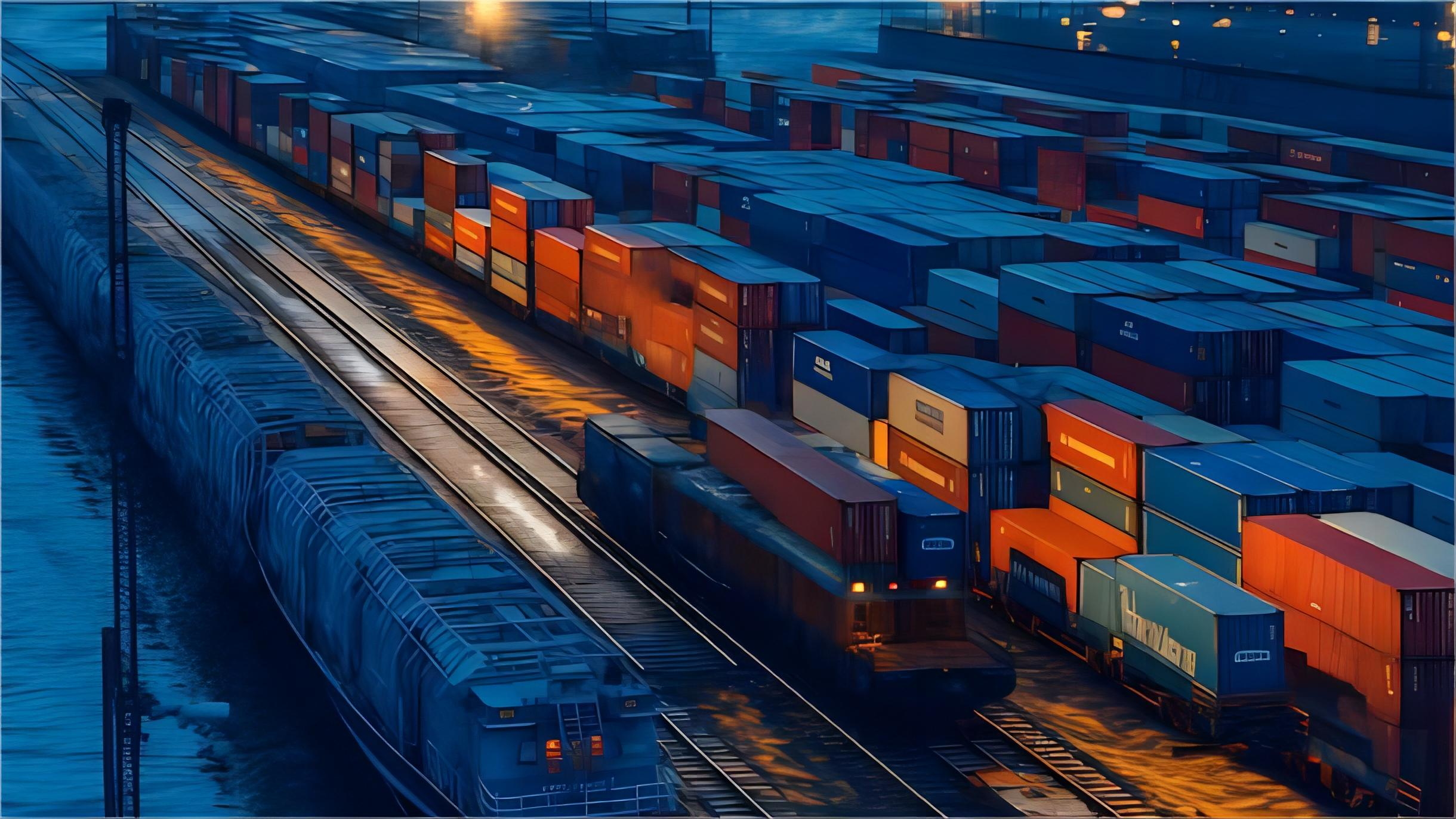
What Are the Main Methods of Shipping from China to Spain?
Choosing the right transportation mode depends heavily on your budget, cargo volume, and required delivery speed. Most businesses rely on three primary modes: sea freight, air freight, and rail freight, each offering distinct advantages for different types of goods. Furthermore, the selection process must account for the specific infrastructure available at Spanish gateways like Barcelona, Valencia, and Algeciras.
Sea freight remains the backbone of global trade due to its unparalleled capacity and cost-effectiveness for large volumes. Specifically, you can choose between Full Container Load (FCL) and Less than Container Load (LCL) depending on your shipment size. Consequently, sea freight is the preferred choice for bulk commodities, furniture, and heavy machinery that do not require immediate delivery.
Air freight offers the fastest transit times for high-value or time-sensitive shipments. Although it carries a higher price tag, the speed of air freight is often necessary for electronics, pharmaceuticals, and fashion items. Moreover, the reduced transit time minimizes the risk of damage and lowers inventory carrying costs for many businesses.
Rail freight has emerged as a middle-ground solution, providing faster delivery than sea and lower costs than air. The China-Europe Railway Express connects major Chinese hubs to European terminals, from which goods are trucked into Spain. Therefore, rail freight serves as an excellent alternative for shippers looking for a balanced logistics strategy.
How Does Sea Freight Compare to Other Shipping Options?
Evaluating different shipping methods involves analyzing trade-offs between expenditure and efficiency. While sea freight offers the lowest cost per unit, the transit time can extend up to 40 days depending on the port of origin and destination. In contrast, air freight can deliver goods in less than a week but costs significantly more per kilogram.
Rail freight typically occupies the space between these two extremes, offering a transit time of 18 to 24 days. However, recent developments in 2026 suggest that rail capacity is becoming more competitive as infrastructure improvements continue across the Eurasian corridor. Additionally, hybrid solutions like sea-air combinations are gaining popularity for those seeking to optimize their supply chain costs.
For small parcels or urgent documents, express service providers offer door-to-door delivery with integrated customs handling. This method is highly efficient but becomes prohibitively expensive for shipments exceeding 100 kilograms. Understanding these differences is crucial for selecting a method that aligns with your specific business requirements.
| Shipping Method | Cost Range | Transit Time | Best For |
|---|---|---|---|
| Sea Freight (FCL) | $3,200 – $4,800 per 40HQ | 30 – 45 Days | Bulk cargo and large volumes |
| Air Freight | $4.50 – $8.00 per kg | 3 – 7 Days | High-value and urgent goods |
| Rail Freight | $120 – $180 per CBM | 18 – 25 Days | Medium-sized shipments |
| Express Courier | $8.00 – $15.00 per kg | 2 – 5 Days | Samples and small parcels |

Understanding Shipping Costs and Transit Times in 2026
Freight rates from China to Spain in 2026 are influenced by several factors, including fuel prices, seasonal demand, and carrier capacity. During peak seasons, such as the months leading up to the holidays, rates typically increase by 15% to 25% due to high volume. Consequently, many importers choose to book their shipments at least 3-4 weeks in advance to secure better pricing and equipment availability.
Transit times also vary based on the specific route and port congestion levels. For example, a direct sea route from Shanghai to Valencia is generally faster than a transshipment route through Singapore. Meanwhile, air freight transit times are more stable but can still be affected by airport handling delays or customs inspections at Madrid-Barajas Airport.
Market data suggests that the cost of 40ft container from China to Spain has stabilized in early 2026 following previous global disruptions. Nevertheless, shippers should always request a current quote to account for real-time fluctuations in the market. Accuracy in documentation and cargo weight reporting is also vital to avoid unexpected surcharges or delays during the shipping process.
| Container Type | Shanghai to Barcelona | Shenzhen to Valencia | Transit Time |
|---|---|---|---|
| 20GP (Standard) | $1,900 – $2,600 | $2,000 – $2,700 | 32 – 38 Days |
| 40GP (Standard) | $3,100 – $4,000 | $3,200 – $4,100 | 32 – 38 Days |
| 40HQ (High Cube) | $3,400 – $4,500 | $3,500 – $4,600 | 32 – 38 Days |
| LCL (per CBM) | $70 – $110 | $75 – $115 | 35 – 42 Days |
Which Option Should You Choose? Decision Framework
Determining the most suitable shipping method requires a clear understanding of your priorities. If your primary goal is to minimize expenditure, sea freight is almost always the best choice for large shipments. On the other hand, if speed is the most critical factor for your business, air freight becomes the necessary investment despite the higher cost.
Cargo type considerations also play a significant role in the decision-making process. Perishable goods or high-end electronics are better suited for air transport to ensure safety and freshness. Conversely, durable goods like textiles or construction materials are ideal candidates for LCL shipping China to Valencia or FCL services to Algeciras.
Volume thresholds often dictate when you should switch from one method to another. For instance, shipments smaller than 1 CBM are usually most economical via express courier. However, once a shipment exceeds 15 CBM, booking a 20GP container often becomes more cost-effective than LCL. Always consider the total landed cost, including insurance and local handling, before making a final decision.
Customs Brokerage and Import Documents for Spain
Navigating Spanish customs requires meticulous attention to detail and a thorough understanding of EU import regulations. Importers must provide a complete set of documents, including the Commercial Invoice, Packing List, and Bill of Lading or Air Waybill. Furthermore, a valid EORI number is mandatory for any business importing goods into the European Union.
Customs clearance in Spain for Chinese imports involves the assessment of Value Added Tax (VAT) and import duties. The standard VAT rate in Spain is 21%, though some goods may qualify for reduced rates. Utilizing a professional customs brokerage service can prevent costly delays and ensure compliance with all local tax laws.
Import duties Spain from China vary depending on the HS Code of the products being shipped. Some items may be subject to anti-dumping duties or specific quotas, making it essential to verify the classification of your goods beforehand. Proper documentation not only speeds up the clearance process but also protects your business from potential legal issues or fines.

| Document Name | Purpose | Provided By | Requirement |
|---|---|---|---|
| Commercial Invoice | Value declaration | Exporter | Mandatory |
| Packing List | Cargo details | Exporter | Mandatory |
| Bill of Lading | Title of goods | Carrier | Mandatory |
| EORI Number | EU ID for customs | Importer | Mandatory |
Door to Door Services and Amazon FBA Solutions
Simplifying the logistics chain is often achieved through comprehensive door to door services. This model covers every step of the journey, from the factory floor in China to the final destination in Spain. Consequently, businesses can focus on sales and marketing while the freight forwarder handles the complexities of international transport and local delivery.
Amazon sellers frequently utilize specialized Amazon FBA shipping solutions to reach the Spanish market. These services ensure that products meet Amazon’s strict labeling and packaging requirements before they arrive at fulfillment centers in cities like Madrid or Barcelona. Moreover, integrated logistics providers can manage the entire process, including tax payments and final mile delivery.
Shipping electronics from China to Spain requires specific handling and documentation, especially when using FBA services. Batteries and other sensitive components must comply with international safety standards to avoid rejection at the warehouse. By using an end-to-end solution, you can minimize the risk of inventory stockouts and maintain a high level of customer satisfaction.
Real Case Studies: Shipping Success Stories 2026
Case Study 1: High-End Electronics for Madrid Retailers. Route: Shenzhen to Madrid via Air Freight. Cargo: 450kg of premium smartphones. Shipping Details: Direct flight with major carrier. Total Transit: 4 days. Ocean Freight: N/A. Air Freight Cost: $3,200. Customs and Duties: $1,150. Total Landed Cost: $4,350. Key Insight: Choosing air freight allowed the retailer to launch the product simultaneously with the global release, capturing early market share.
Case Study 2: Sustainable Furniture for Barcelona Showroom. Route: Ningbo to Barcelona via Sea Freight FCL. Cargo: 28 CBM of bamboo furniture. Container: 40HQ. Shipping Details: Direct sea route via COSCO. Total Transit: 34 days. Ocean Freight: $3,800. Origin Charges: $450. Destination Charges: $600. Total Landed Cost: $4,850. Key Insight: FCL shipping provided the lowest cost per unit, allowing for competitive pricing in the Spanish retail market.
Case Study 3: Apparel Collection for Valencia Boutique. Route: Yiwu to Valencia via Rail Freight. Cargo: 12 CBM of seasonal clothing. Shipping Details: Rail to Madrid terminal, then truck to Valencia. Total Transit: 22 days. Rail Freight Cost: $1,850. Customs Clearance: $300. Total Landed Cost: $2,150. Key Insight: Rail freight offered the perfect balance of speed and cost, ensuring the collection arrived just before the peak shopping season.
Final Thoughts on Shipping from China to Spain
Successfully managing shipping from China to Spain requires a combination of careful planning, market knowledge, and reliable partnerships. By understanding the differences between sea, air, and rail freight, you can make informed decisions that benefit your bottom line. Furthermore, staying updated on customs regulations and 2026 market trends will help you avoid common pitfalls in international trade.
Logistics trends China to Europe continue to evolve, with digital tracking and sustainable shipping practices becoming more prominent. Whether you are shipping electronics, textiles, or industrial machinery, the right strategy will ensure your supply chain remains resilient. Trusting a professional freight forwarder to handle your shipping from China to Spain is the best way to achieve long-term growth and operational efficiency.

Get Your Shipping Quote Today
Are you ready to optimize your shipping from China to Spain in 2026? Contact our logistics experts today to receive a customized quote tailored to your specific business needs. Our team is dedicated to providing reliable, cost-effective solutions that ensure your cargo arrives on time and within budget. Visit our website to learn more or send an inquiry to start your shipment process today.
Request Quote