

Freight Forwarder China to Germany (40HC Container Shipping) 2026 Guide
Choosing a reliable freight forwarder China to Germany (40HC container shipping) is essential for businesses looking to optimize their international logistics and reduce overhead costs. As global trade routes evolve in 2026, understanding the nuances of 40HC container movements from major Chinese hubs like Shanghai or Shenzhen to German ports like Hamburg is more critical than ever. This guide provides a comprehensive analysis of current market trends, pricing structures, and strategic shipping alternatives to ensure your cargo arrives safely and on time.
Why the 40HC Container is the Industry Standard for Germany Trade
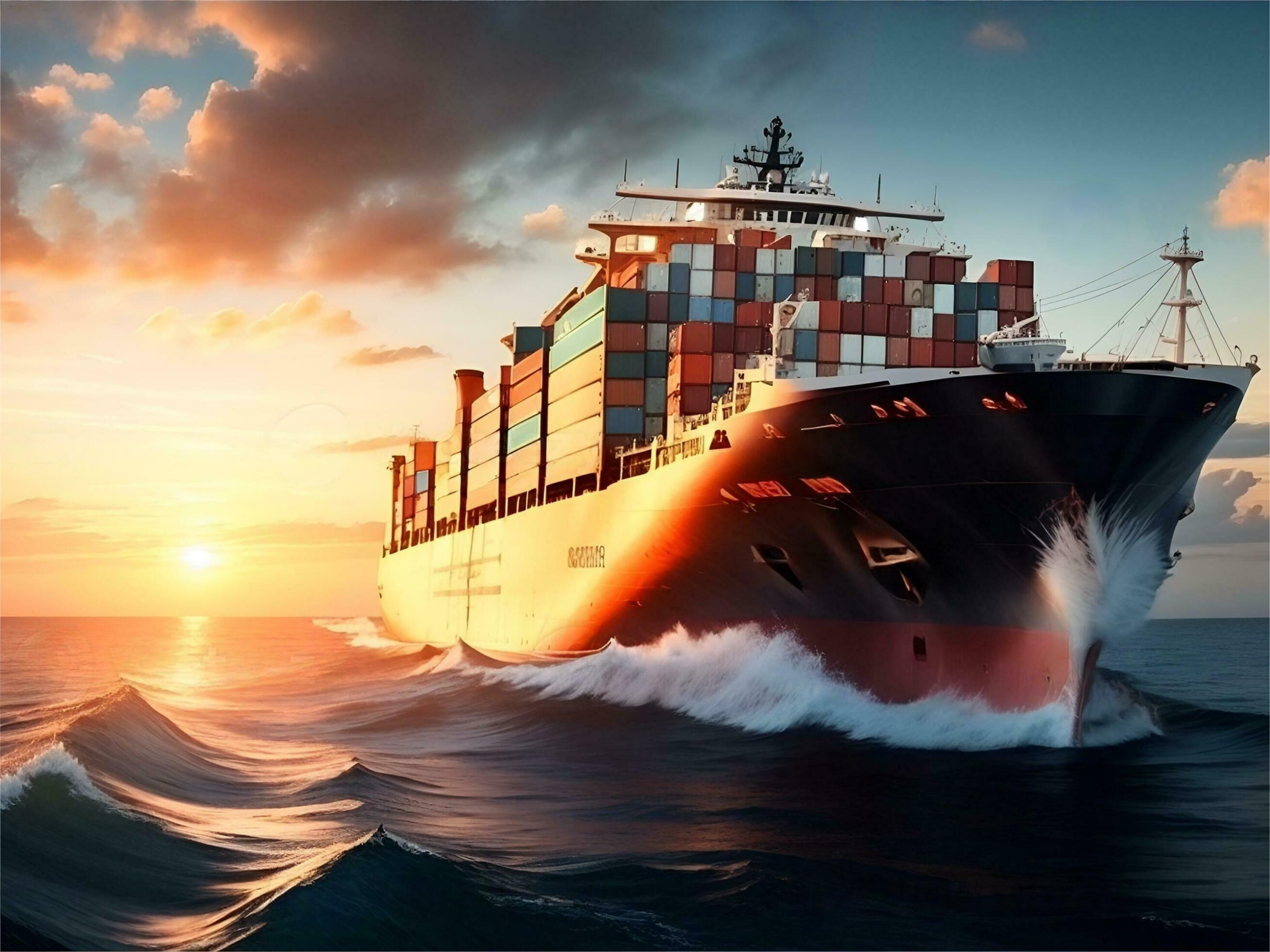
The 40ft High Cube (40HC) container offers significantly more volume than standard containers, making it the preferred choice for most importers. Specifically, the extra foot of height allows for an additional 10 to 12 percent of cargo space, which is vital for bulky or light goods. Consequently, businesses can maximize their shipping budget by fitting more units into a single shipment.
Utilizing sea freight services for 40HC containers remains the most cost-effective method for high-volume trade between these two economic powerhouses. Furthermore, the standardized dimensions of the 40HC ensure compatibility with all major shipping lines and port infrastructure in both China and Germany. This compatibility reduces the risk of handling delays and ensures a smoother transition from sea to land transport.
Freight Forwarder China to Germany (40HC Container Shipping) Costs in 2026
Shipping rates in early 2026 have stabilized following previous years of maritime disruption, yet they remain subject to seasonal fluctuations. For instance, a 40HC container from Shanghai to Hamburg currently ranges between 3,200 and 4,800 US dollars depending on the carrier and service level. Moreover, bunker adjustment factors and peak season surcharges can influence the final invoice significantly.
Importers must also account for local charges at both the origin and destination ports. These costs include terminal handling charges, documentation fees, and inland drayage. Therefore, requesting a detailed breakdown from your logistics provider is necessary to avoid hidden expenses that could impact your profit margins.
| Route | 40HC Estimated Rate | Transit Time | Service Type |
|---|---|---|---|
| Shanghai to Hamburg | $3,400 – $4,200 | 32-38 Days | Direct Sea |
| Shenzhen to Bremen | $3,600 – $4,500 | 30-35 Days | Direct Sea |
| Ningbo to Wilhelmshaven | $3,300 – $4,100 | 34-40 Days | Transshipment |
| Qingdao to Hamburg | $3,800 – $4,600 | 35-42 Days | Direct Sea |
How Does 40HC Sea Freight Compare to Other Shipping Options?
While sea freight is the dominant mode, other methods like rail freight offer a middle ground between speed and cost. For example, the Iron Silk Road connects Chinese industrial hubs directly to German rail terminals in approximately 18 to 22 days. Although rail is more expensive than sea, it significantly reduces the time capital is tied up in transit.
Air freight remains the fastest option but is generally cost-prohibitive for the volume of a 40HC container. Typically, air transport for such volumes would cost five to ten times more than maritime solutions. Consequently, air freight is reserved for urgent, high-value, or perishable goods that cannot wait for the standard sea transit window.
| Shipping Method | Cost Range (40HC Equiv) | Transit Time | Best For |
|---|---|---|---|
| Sea Freight (FCL) | $3,200 – $4,800 | 30-45 Days | Bulk Goods/Budget |
| Rail Freight | $6,500 – $9,000 | 18-24 Days | Mid-range Speed |
| Air Freight | $45,000+ | 3-7 Days | Urgent/High Value |
| Sea-Air Hybrid | $12,000 – $18,000 | 15-20 Days | Cost-Time Balance |
Navigating Customs and Documentation in Germany
Germany maintains strict customs regulations that require precise documentation for every import shipment. Working with a professional customs brokerage service ensures that your HS codes are correct and duties are calculated accurately. Failure to provide the correct paperwork can lead to expensive storage fees and port congestion delays.
Essential documents include the Bill of Lading, Commercial Invoice, Packing List, and the EORI number for European importers. Additionally, specific products may require certificates of origin or CE marking compliance documents. Indeed, preparation is the most effective way to ensure a seamless clearance process once the vessel arrives at the German quay.
| Document Name | Required By | Purpose | Timeline |
|---|---|---|---|
| Bill of Lading | Carrier | Title to Goods | At Loading |
| Commercial Invoice | Customs | Tax Valuation | Pre-arrival |
| EORI Number | German Customs | Importer ID | Permanent |
| Packing List | Port Authority | Cargo Audit | At Loading |
Real Case Studies: China to Germany 40HC Shipments
Case Study 1: Electronics from Shanghai to Hamburg. In Q1 2026, a consumer electronics brand moved three 40HC containers. Route: Shanghai Port to Hamburg Port. Cargo: Smart home devices, 65 CBM per container. Carrier: Maersk. Total Landed Cost: $4,850 per container (including drayage). Transit Time: 34 days. Key Insight: Booking 4 weeks in advance secured a rate 15 percent below the spot market average.
Case Study 2: Automotive Parts from Shenzhen to Duisburg. A German manufacturer utilized a multi-modal approach for urgent components. Route: Shenzhen to Duisburg via Rail. Cargo: Steel components, 18,000 kg. Total Landed Cost: $7,200. Transit Time: 21 days. Key Insight: Rail freight provided the necessary speed to prevent a production line shutdown without the extreme cost of air transport.
Which Option Should You Choose for Your Germany Shipment?
Determining the right strategy depends on your specific business priorities. If your primary goal is cost reduction and you have flexible lead times, sea freight is the undisputed winner. On the other hand, if your inventory turnover is high and you need to respond quickly to market demand, rail freight offers a competitive advantage.
Many successful importers use a door to door service to simplify their operations. This approach allows the freight forwarder to manage every step from the factory floor in China to the warehouse in Germany. Ultimately, this reduces the administrative burden on your team and provides a single point of contact for tracking and troubleshooting.
Alternative Strategies and Cost-Saving Tips
To save money on your next 40HC shipment, consider consolidating smaller orders into one full container. Furthermore, shipping during the off-peak months of March through June can result in significantly lower freight rates. Always compare quotes from multiple carriers to ensure you are receiving the most competitive market price.
Another effective strategy involves optimizing your packaging to utilize every inch of the 40HC container’s height. Since you are paying for the entire container, maximizing the internal volume directly lowers your shipping cost per unit. Additionally, choosing a port of discharge closer to your final destination in Germany can reduce expensive inland trucking fees.
Logistics Trends Influencing the China-Germany Route in 2026
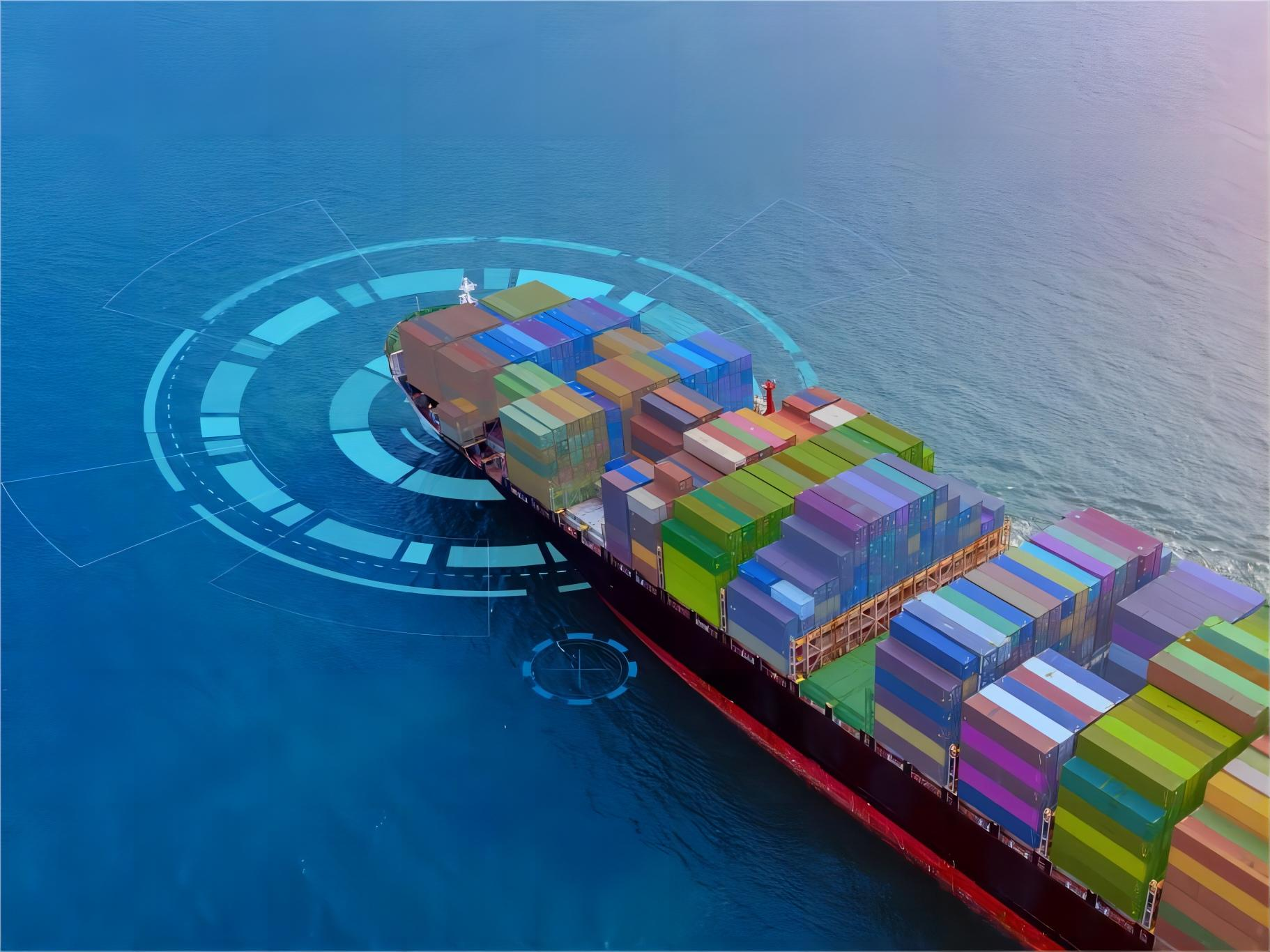
The logistics landscape in 2026 is increasingly shaped by sustainability requirements and digital tracking technologies. Many shipping to Europe routes now incorporate carbon offset programs or bio-fuel options for environmentally conscious brands. Moreover, real-time GPS tracking for 40HC containers has become a standard expectation rather than a premium feature.
Technological integration allows importers to monitor their supply chain with unprecedented precision. Consequently, businesses can manage their inventory more efficiently and provide accurate delivery estimates to their customers. Staying informed about these trends helps you select a forwarder that utilizes modern tools to protect your cargo and optimize your transit times.
Mastering Your 40HC Shipments from China to Germany
Successfully managing a freight forwarder China to Germany (40HC container shipping) operation requires a blend of strategic planning and expert execution. By understanding the cost drivers, transit times, and documentation requirements, you can build a resilient supply chain that supports your business growth. Whether you choose the cost-efficiency of sea freight or the speed of rail, the right logistics partner will ensure your goods reach the German market without unnecessary delays.
As we move through 2026, staying adaptable to market changes and leveraging modern shipping technologies will be key to maintaining a competitive edge. Focus on maximizing your container volume and preparing your customs paperwork in advance to avoid common pitfalls. With the right approach, your China-to-Germany trade route can become a streamlined engine for your commercial success.

Need a tailored shipping solution?
Are you ready to streamline your international supply chain with a trusted partner? Our team specializes in managing every detail of your logistics journey from origin to destination. Contact us today to receive a competitive quote for your next freight forwarder China to Germany (40HC container shipping) requirement. Visit our website to Send Inquiry and get expert advice on your 2026 shipping strategy.