


Freight Forwarder China to USA (40HC Container Shipping) Guide 2026
Shipping large volumes of inventory requires a reliable freight forwarder China to USA (40HC container shipping) to ensure efficiency and cost-effectiveness. Navigating the complexities of trans-Pacific logistics involves understanding fluctuating ocean freight rates and strict customs regulations. Consequently, this comprehensive guide provides the necessary insights to optimize your shipping strategy and secure competitive pricing in the 2026 market.
✦
How Does 40HC Container Shipping Compare to Other Options?
Determining the most efficient shipping method is crucial for maintaining healthy profit margins in your supply chain. While the 40HC container is a popular choice for high-volume goods, alternative methods like air freight or LCL shipping might suit different business needs. Therefore, importers must evaluate the trade-offs between speed, cost, and cargo security before booking a shipment.
Specifically, the 40HC container offers about 12 percent more vertical space than a standard 40GP unit. This additional height allows for taller pallets or stackable items that would otherwise require multiple smaller containers. However, if your shipment volume is less than 15 cubic meters, choosing less than container load services might be more economical than paying for a full 40HC unit.
Hybrid solutions such as sea-air shipping also exist for those needing a balance between cost and speed. These routes typically involve ocean transport to a hub like Dubai or Singapore, followed by air transport to the final US destination. Nevertheless, for the majority of large-scale retail and industrial imports, direct sea freight remains the primary choice due to its unmatched capacity.
Which option should you choose depends largely on your specific inventory requirements and delivery deadlines. If budget priority is your main concern, we recommend standard ocean freight using high-cube containers. Conversely, if speed priority is paramount for seasonal launches, air freight is the logical, albeit more expensive, alternative.
| Shipping Method | Cost Range | Transit Time | Best For |
|---|---|---|---|
| 40HC Sea Freight | $2,800 – $6,000 | 15 – 35 Days | High-volume bulky goods |
| Air Freight | $15,000 – $25,000 | 3 – 7 Days | Urgent high-value items |
| LCL Shipping | $50 – $120 per CBM | 20 – 40 Days | Small inventory batches |
| Express Courier | $5 – $9 per kg | 2 – 5 Days | Samples and documents |
Current Market Rates for a Freight Forwarder China to USA (40HC Container Shipping)
Market data suggests that freight rates in 2026 have stabilized following the logistical disruptions seen in previous years. Selecting sea freight for your 40HC containers allows you to take advantage of these competitive prices. Moreover, understanding the difference between West Coast and East Coast pricing is essential for accurate budgeting.
Shipping to the US West Coast, including ports like Los Angeles and Long Beach, generally costs significantly less than East Coast routes. This price difference arises from the shorter sailing distance and higher frequency of vessel rotations. Additionally, seasonal spikes during the third quarter can increase these base rates by 20 percent or more as retailers prepare for the holiday season.
Importers should also account for origin and destination charges which are often excluded from the base ocean freight quote. These include terminal handling charges, documentation fees, and inland trucking costs. Furthermore, fuel surcharges fluctuate monthly, so it is vital to request an all-in quote from your logistics provider to avoid hidden expenses.
Note: Freight rates are subject to change based on fuel costs, carrier capacity, and seasonal demand. Contact us for a current quote tailored to your specific shipment.
| Route | 20GP Rate | 40GP Rate | 40HC Rate |
|---|---|---|---|
| China to USA West | $1,600 – $2,300 | $2,600 – $3,600 | $2,900 – $3,900 |
| China to USA East | $2,600 – $3,600 | $4,100 – $5,600 | $4,600 – $6,100 |
| China to USA Gulf | $2,400 – $3,400 | $3,800 – $5,200 | $4,200 – $5,800 |
Understanding 40HC Container Dimensions and Cargo Capacity
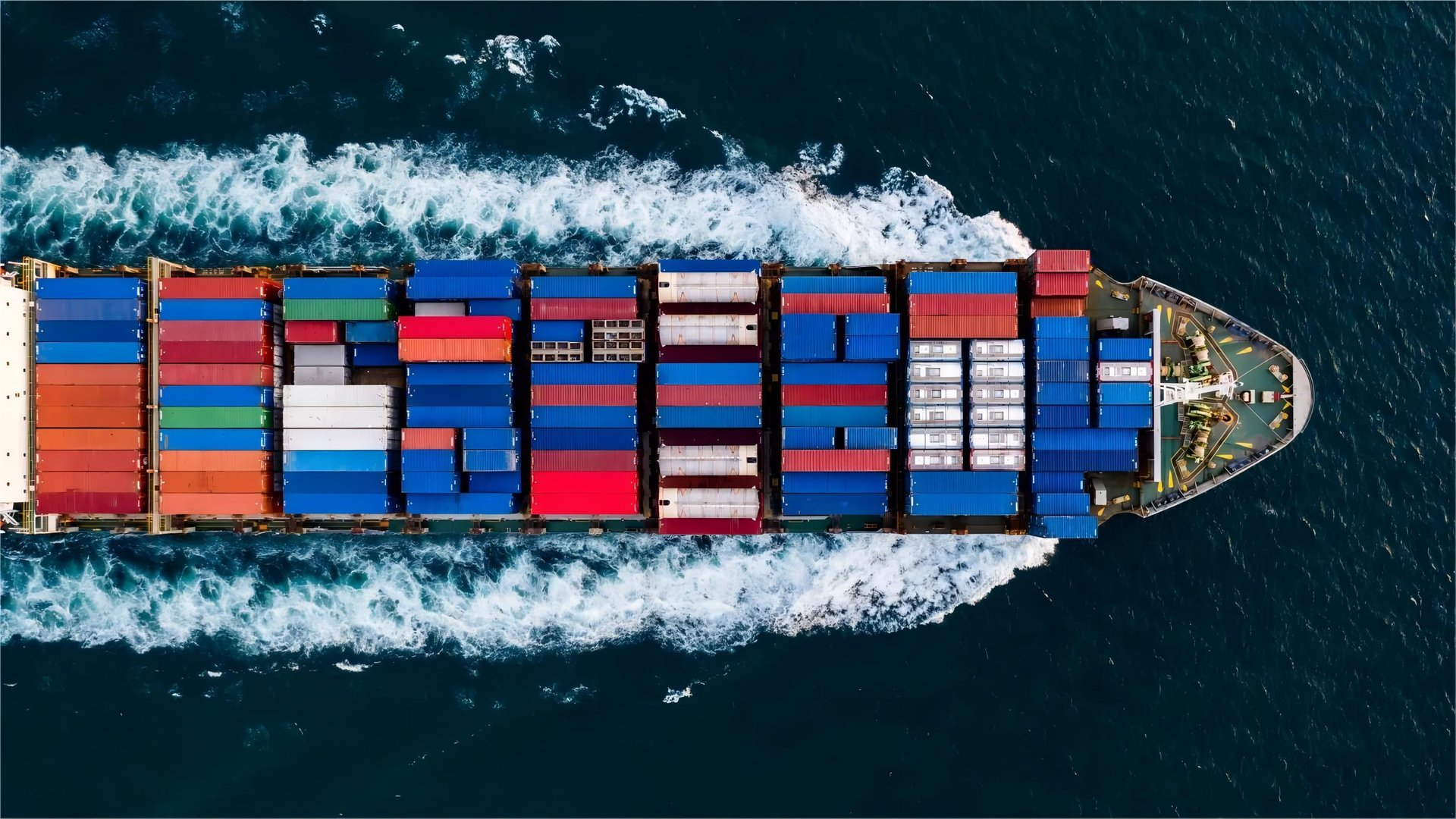
The 40HC or High Cube container is the workhorse of modern international trade. Because it offers an extra foot of height compared to standard units, it is ideal for light, voluminous cargo. Specifically, the internal height of a 40HC is approximately 2.70 meters, whereas a standard 40GP is only 2.39 meters high.
Loading efficiency increases when you utilize the full 76.4 cubic meters of space available in these units. Indeed, many businesses find that they can fit significantly more pallets by using specialized stacking techniques. However, you must remain mindful of weight limits, as US road regulations often restrict the total weight of the container and truck combined.
Transit times also depend on how quickly you can load and secure the cargo at the origin factory. Efficient cargo handling ensures that the container reaches the port before the vessel’s closing date. Consequently, working with an experienced partner helps prevent rolled cargo and unnecessary storage fees at the terminal.
When comparing air freight to 40HC shipping, the volume-to-cost ratio clearly favors the ocean route for large shipments. Although air transport is faster, it cannot compete with the massive capacity of a high-cube container for industrial goods. Therefore, most long-term supply chain strategies prioritize ocean freight for their primary inventory flow.
Essential Documents for Customs Brokerage and US Import Compliance
Navigating US Customs requires meticulous attention to detail and accurate documentation. Professional customs brokerage services are indispensable for ensuring that your 40HC container clears the port without delays. Incomplete paperwork often leads to expensive exams and storage penalties that can erode your profits.
Key documents include the Bill of Lading, Commercial Invoice, and Packing List. Additionally, the Importer Security Filing (ISF) must be submitted at least 24 hours before the vessel departs from the Chinese port. Failure to file the ISF on time can result in immediate fines from US Customs and Border Protection.
Moreover, certain products may require specialized certificates, such as FDA approvals for food-contact items or EPA clearances for engines. Industry averages for customs clearance time range from two to four days, provided all paperwork is in order. Thus, proactive communication with your broker is the best way to facilitate a smooth entry process into the United States.
Typical rates for customs entry services in 2026 range from $100 to $200 per filing, excluding duties and taxes. Since duties are calculated based on the Harmonized Tariff Schedule (HTS) code, selecting the correct code is vital. Indeed, an incorrect classification can lead to overpayment or legal complications with federal authorities.
| Document Name | Purpose | Responsible Party | Requirement |
|---|---|---|---|
| Bill of Lading | Title to goods | Carrier | Mandatory |
| Commercial Invoice | Valuation for duty | Shipper | Mandatory |
| ISF (10+2) | Security screening | Importer | Mandatory |
| Packing List | Cargo verification | Shipper | Mandatory |
Optimizing Your Supply Chain with Amazon FBA and Door to Door Services
Many modern e-commerce businesses utilize Amazon FBA to manage their US distribution. Shipping 40HC containers directly to Amazon fulfillment centers requires strict adherence to their labeling and palletization standards. Furthermore, coordinating the final mile delivery from the port to the warehouse is a critical step in the logistics chain.
Choosing a door to door service simplifies this process by providing a single point of contact for the entire journey. This comprehensive approach covers everything from factory pickup in China to the final delivery at your US doorstep. Consequently, importers can focus on marketing and sales while the freight forwarder handles the operational details.
Meanwhile, cost-saving strategies often involve consolidating multiple smaller orders into a single 40HC container. This method, known as buyer’s consolidation, reduces the per-unit shipping cost significantly. Additionally, it allows for better control over the timing of inventory arrivals, which is essential for maintaining consistent stock levels.
Without a doubt, the integration of technology in logistics has made tracking your container easier than ever before. Most top-tier forwarders now offer real-time GPS tracking for sea freight shipments. This transparency allows you to anticipate potential delays and adjust your business operations accordingly, ensuring a resilient supply chain.
Real-World Case Studies: China to USA 40HC Shipments
Case Study 1: Electronics from Shenzhen to Los Angeles ——————————————————— Route: Shenzhen, China to Los Angeles, USA Cargo: Consumer electronics, 68 CBM, 18,000 kg Container: 40HQ Shipping Details: – Carrier: COSCO – Port of Loading: Shenzhen – Port of Discharge: Los Angeles – Route Type: Direct Cost Breakdown: – Ocean Freight: $3,200 – Origin Charges: $450 – Destination Charges: $600 – Customs and Duties (estimated): $2,500 – Total Landed Cost: $6,750 Timeline: – Booking to Loading: 4 days – Sea Transit: 16 days – Customs Clearance: 2 days – Total Door-to-Door: 22 days Key Insight: Direct routing minimized delay risks during the Q3 peak season. ———————————————————
Case Study 2: Furniture from Ningbo to New York ——————————————————— Route: Ningbo, China to New York, USA Cargo: Home furniture, 72 CBM, 12,000 kg Container: 40HQ Shipping Details: – Carrier: Maersk – Port of Loading: Ningbo – Port of Discharge: New York – Route Type: Transshipment via Panama Canal Cost Breakdown: – Ocean Freight: $5,100 – Origin Charges: $400 – Destination Charges: $850 – Customs and Duties (estimated): $1,200 – Total Landed Cost: $7,550 Timeline: – Booking to Loading: 6 days – Sea Transit: 32 days – Customs Clearance: 3 days – Total Door-to-Door: 41 days Key Insight: Using a 40HQ allowed for 15 percent more inventory than a 40GP for the same freight price. ———————————————————
Case Study 3: Industrial Machinery from Shanghai to Houston ——————————————————— Route: Shanghai, China to Houston, USA Cargo: Precision tools, 60 CBM, 22,000 kg Container: 40HQ Shipping Details: – Carrier: MSC – Port of Loading: Shanghai – Port of Discharge: Houston – Route Type: Direct Cost Breakdown: – Ocean Freight: $4,400 – Origin Charges: $500 – Destination Charges: $700 – Customs and Duties (estimated): $4,000 – Total Landed Cost: $9,600 Timeline: – Booking to Loading: 5 days – Sea Transit: 28 days – Customs Clearance: 4 days – Total Door-to-Door: 37 days Key Insight: Heavy cargo required specialized trucking at the destination to meet US axle weight limits. ———————————————————
Strategic Tips to Reduce 40HC Shipping Costs in 2026
Reducing your total landed cost requires more than just finding the lowest ocean freight rate. For instance, optimizing your packaging can lead to better container utilization, allowing you to fit more products into a single 40HC unit. Furthermore, booking your shipment at least three to four weeks in advance often secures better rates and guaranteed space on the vessel.
Another effective strategy is to negotiate with multiple carriers or use a freight forwarder with diverse contract rates. Since different carriers have varying strengths on specific routes, a forwarder can match your shipment with the most cost-effective vessel. Additionally, avoiding peak season shipping when possible can save you thousands of dollars in surcharges.
Consider using inland ports or alternative gateways if the major coastal hubs are congested. Sometimes, shipping to a less crowded port and using rail transport for the final leg can be both faster and cheaper. Indeed, flexibility in your routing is one of the most powerful tools for managing logistics costs in a volatile market.
Finally, always ensure your cargo is insured against damage or loss during transit. While insurance adds a small cost to your invoice, it protects your business from catastrophic financial hits. Consequently, a comprehensive approach that balances risk management with cost optimization is the hallmark of a successful import business.

Mastering Your China to USA Logistics
Successfully managing a freight forwarder China to USA (40HC container shipping) strategy requires a blend of market knowledge and operational excellence. By understanding the nuances of 2026 freight rates and container dimensions, you can make informed decisions that benefit your bottom line. Furthermore, accurate documentation and strategic routing remain the best defenses against unexpected delays.
In summary, the 40HC container continues to be the most efficient choice for high-volume trans-Pacific trade. Whether you are shipping electronics, furniture, or industrial parts, the extra capacity provided by high-cube units offers a clear competitive advantage. Partnering with a reliable logistics provider ensures that your goods arrive safely and on schedule, supporting your long-term growth in the US market.