


Shipping from China to Singapore: 2026 Freight Rates and Logistics Guide
Shipping from China to Singapore represents one of the most vital trade corridors in Southeast Asia during 2026. Business owners must navigate complex logistics landscapes to maintain a competitive edge in the local market. By utilizing a professional partner like DSV-Freight, you can ensure your cargo arrives safely and efficiently. This comprehensive guide explores the best methods to optimize your supply chain and reduce overall expenses.
✦
What are the primary methods for shipping from China to Singapore?
Choosing the right transportation mode depends heavily on your budget and required delivery speed. Most importers utilize either sea freight or air freight to move goods across this route. Consequently, understanding the strengths of each method allows you to make an informed decision for your business.
Moreover, the proximity of major Chinese ports to Singapore makes sea transport highly efficient for bulk commodities. Air transport remains the preferred choice for high-value electronics and urgent restocks. Additionally, courier services offer a middle ground for smaller parcels needing rapid transit.
How does sea freight compare to other shipping options?
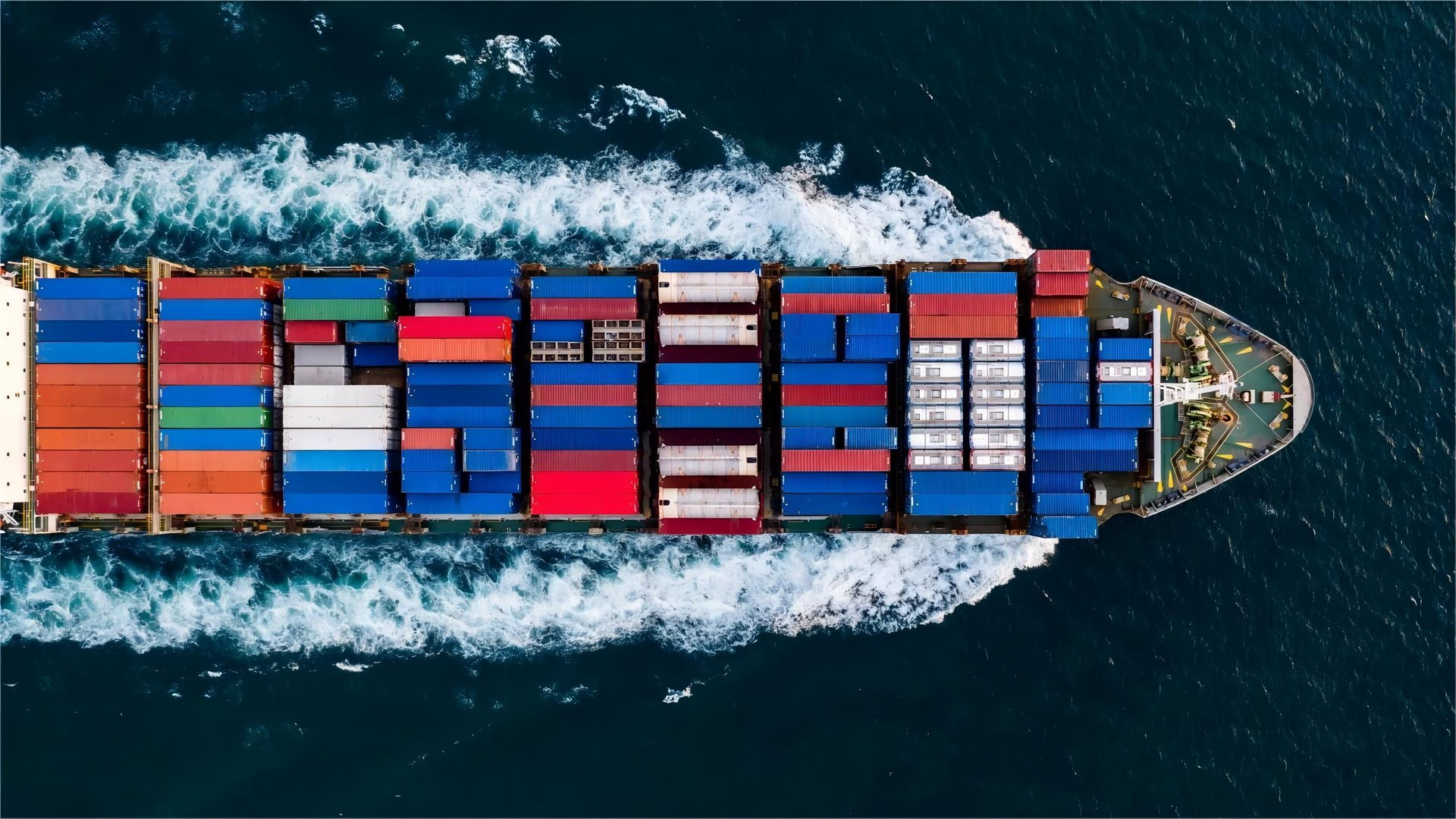
Sea freight remains the backbone of international trade due to its massive capacity and cost-effectiveness. When you consider sea freight, you are choosing a method that handles large volumes with ease. However, the transit time is significantly longer than air-based alternatives.
Typically, ocean transport is about five to ten times cheaper than air freight for heavy shipments. In contrast, air freight offers a delivery window of just a few days. Therefore, sea freight is ideal for non-perishable goods and large manufacturing components.
Furthermore, businesses can choose between Full Container Load and Less than Container Load options. This flexibility ensures that even smaller businesses can access competitive ocean rates. As a result, sea freight continues to dominate the China-Singapore logistics sector.
| Shipping Method | Cost Range | Transit Time | Best For |
|---|---|---|---|
| Sea Freight (FCL) | $800 – $1,500 | 10-15 Days | Large Bulk Cargo |
| Sea Freight (LCL) | $40 – $80 per CBM | 12-18 Days | Smaller Shipments |
| Air Freight | $2.50 – $5.00 per kg | 3-5 Days | Urgent/High Value |
| Express Courier | $6.00 – $9.00 per kg | 1-3 Days | E-commerce/Samples |
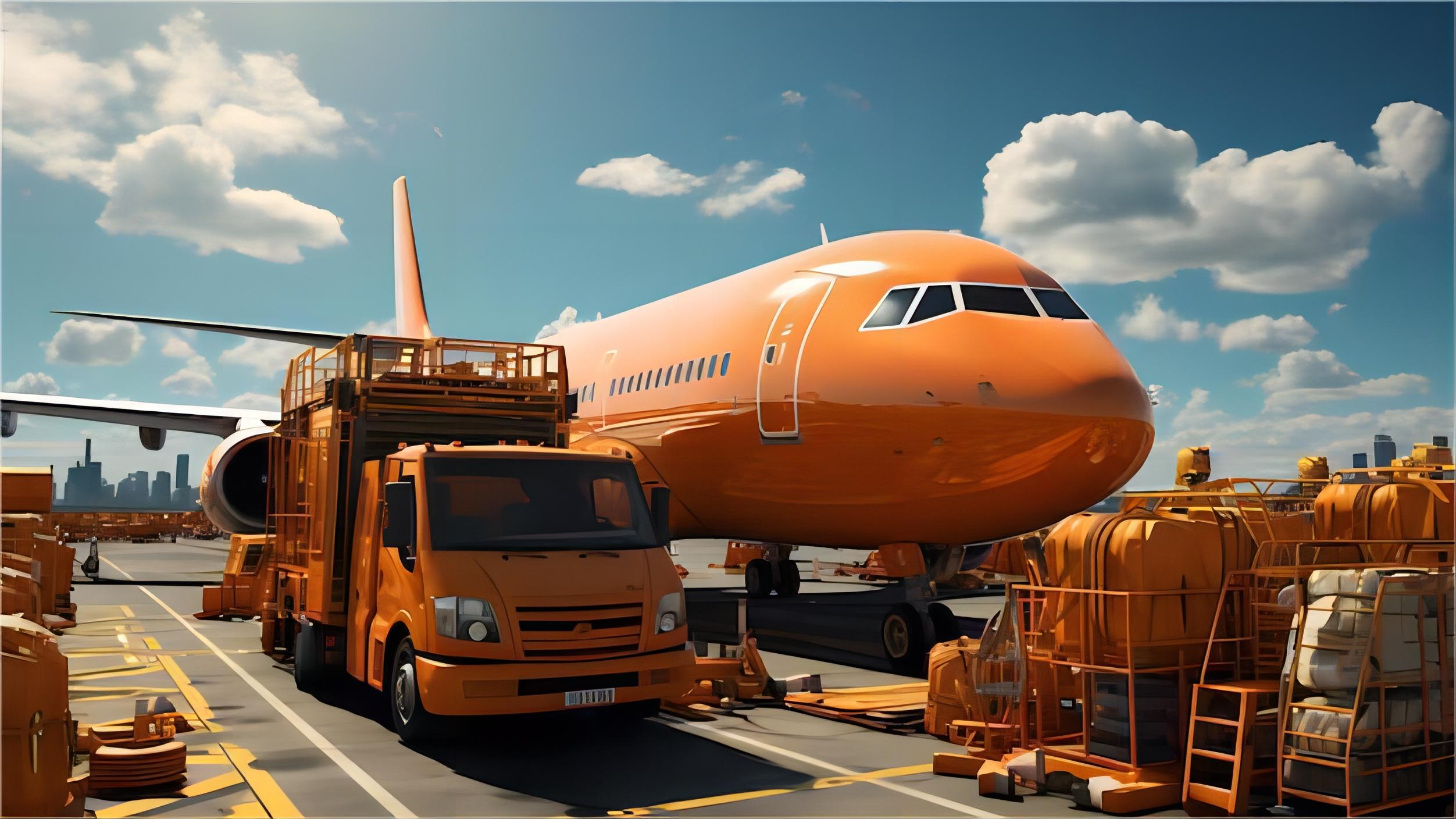
Utilizing air freight for urgent shipments
Speed is the primary advantage when you opt for air freight services. High-demand items often require the rapid turnaround that only flight schedules can provide. Consequently, many tech companies rely on this method to launch new products in Singapore.
Market data suggests that air freight rates have stabilized in early 2026 compared to previous volatility. Nevertheless, fuel surcharges still play a significant role in the final pricing structure. For instance, shipping from Shanghai to Changi Airport involves strict handling protocols for sensitive cargo.
In addition, air transport reduces the risk of damage during long sea voyages. This method minimizes the time capital is tied up in transit. Accordingly, businesses with high inventory turnover rates find air freight highly beneficial.
The convenience of express service and courier options
Small businesses often prefer an express service for door-to-door delivery. This method combines transportation and customs handling into a single simplified package. Indeed, it is the fastest way to move documents and small inventory batches.
Major carriers like DHL and FedEx operate frequent flights between major Chinese hubs and Singapore. Because these services handle the entire process, they save you significant administrative time. On the other hand, the cost per kilogram is the highest among all shipping modes.
Meanwhile, e-commerce sellers frequently use express options to meet customer expectations for fast delivery. This strategy helps maintain high satisfaction ratings on local platforms. Therefore, express shipping is a vital tool for the modern digital economy.
Which option should you choose for your cargo?
Deciding on a shipping strategy requires a clear assessment of your priorities and constraints. If budget is your primary concern, sea freight is almost always the superior choice. Specifically, for volumes over 15 CBM, a full container offers the best value.
Speed priority dictates a shift toward air or express solutions regardless of the higher cost. For example, a delay in a product launch could cost more in lost sales than the air freight premium. In contrast, heavy machinery is rarely suitable for air transport due to physical dimensions.
Cargo type also influences the final decision significantly. Perishable items or hazardous materials require specialized handling that may limit your choices. Consequently, you should consult with a logistics expert to evaluate the specific needs of your goods.
Budget-focused shipping strategies
Consolidating multiple smaller orders into a single LCL shipment can save considerable money. Additionally, booking your space at least two weeks in advance helps secure lower rates. Historically, shipping during the off-peak season provides a 15 percent discount compared to the Q4 rush.
Time-sensitive delivery frameworks
Direct flights from Guangzhou or Shenzhen offer the quickest path to Singapore. Using a pre-clearance customs model can further reduce the time spent at the airport. Thus, planning for speed involves both the physical transport and the documentation phase.
Simplifying logistics with door to door shipping
Managing multiple vendors can become a logistical nightmare for many growing businesses. Choosing door to door services eliminates the need to coordinate between different carriers. In this model, the freight forwarder handles everything from the factory floor to your Singapore warehouse.
Furthermore, this all-inclusive approach provides better visibility and tracking for your shipments. You receive a single invoice that covers all transport and handling fees. Consequently, your accounting team can manage costs with greater precision and less effort.
Indeed, many importers find that the time saved justifies the slight premium charged for integrated services. This allows you to focus on sales and marketing rather than tracking containers. As a result, door-to-door logistics is becoming the standard for Singaporean SMEs.
Navigating customs brokerage and GST in Singapore
Singapore maintains a transparent but strict regulatory environment for all incoming goods. Engaging a professional customs brokerage service ensures that you comply with all local laws. Specifically, you must correctly declare the value of your goods to avoid heavy fines.
Moreover, the Goods and Services Tax (GST) applies to most imports entering the country. As of 2026, the GST rate remains a critical factor in calculating your total landed cost. Therefore, accurate documentation is essential for a smooth clearance process.
In addition, certain items may require special permits from agencies like the Singapore Food Agency. Failure to secure these permits before the cargo arrives can lead to costly delays. Consequently, proactive preparation is the key to avoiding port storage charges.
| Document Name | Purpose | Required By | Typical Format |
|---|---|---|---|
| Commercial Invoice | Value Declaration | Singapore Customs | Digital/PDF |
| Packing List | Content Verification | Port Authorities | Digital/PDF |
| Bill of Lading | Title of Goods | Shipping Line | Original/Telex |
| Import Permit | Legal Authorization | TradeNet | Electronic |
Case studies: Real-world shipping scenarios
Examining real examples helps illustrate the practical application of different shipping methods. These cases reflect actual market conditions observed in early 2026. Consequently, they provide a realistic benchmark for your own logistics planning.
Case Study 1: Electronics from Shenzhen
Route: Shenzhen, China to Singapore. Cargo: Consumer Electronics, 2 CBM, 450 kg. Shipping Method: Air Freight. Total Landed Cost: $1,850. Transit Time: 4 days. Key Insight: Choosing air freight allowed the client to meet a strict retail launch deadline despite manufacturing delays.
Case Study 2: Furniture for a Singapore Office
Route: Guangzhou, China to Singapore. Cargo: Office Desks and Chairs, 28 CBM. Container: 20GP Full Container. Total Landed Cost: $2,100 (excluding duties). Transit Time: 14 days. Key Insight: FCL was more economical than LCL for this volume, saving the client approximately $400 in handling fees.
Cost-saving strategies for your supply chain
Reducing your freight spend requires a combination of planning and volume management. For instance, optimizing your packaging can reduce the volumetric weight of air shipments. Furthermore, consolidating orders from multiple Chinese suppliers into one container can slash your fixed costs.
Additionally, you should always request quotes from at least three different forwarders to ensure competitive pricing. Market rates fluctuate weekly based on fuel prices and carrier capacity. Therefore, staying informed about industry trends helps you time your shipments perfectly.
In addition, consider the impact of Incoterms on your total expenditure. Choosing FOB instead of EXW often gives you more control over the international shipping leg. As a result, you can select the carrier that offers the best balance of price and reliability.
Final thoughts on shipping from China to Singapore
Successful shipping from China to Singapore involves a deep understanding of transit modes and regulatory requirements. By balancing speed and cost, you can build a resilient supply chain that supports business growth. Whether you choose sea freight for bulk orders or air freight for urgent needs, professional guidance is invaluable.
Furthermore, the logistics landscape in 2026 demands flexibility and proactive planning. Always stay updated on the latest customs regulations and freight market trends. Ultimately, the right logistics partner will help you navigate these challenges and ensure your cargo reaches its destination without unnecessary delays.