


Shipping from China to South Korea: The Complete 2026 Logistics Guide
Navigating the complexities of shipping from China to South Korea requires a strategic approach to ensure timely delivery and cost-efficiency. As trade volumes between these two Asian giants continue to expand in 2026, businesses must choose a reliable partner like DSV-Freight to manage their cargo effectively. Consequently, understanding the nuances of logistics trends and regional regulations is essential for any successful import-export operation.
Understanding the China-South Korea Logistics Landscape in 2026
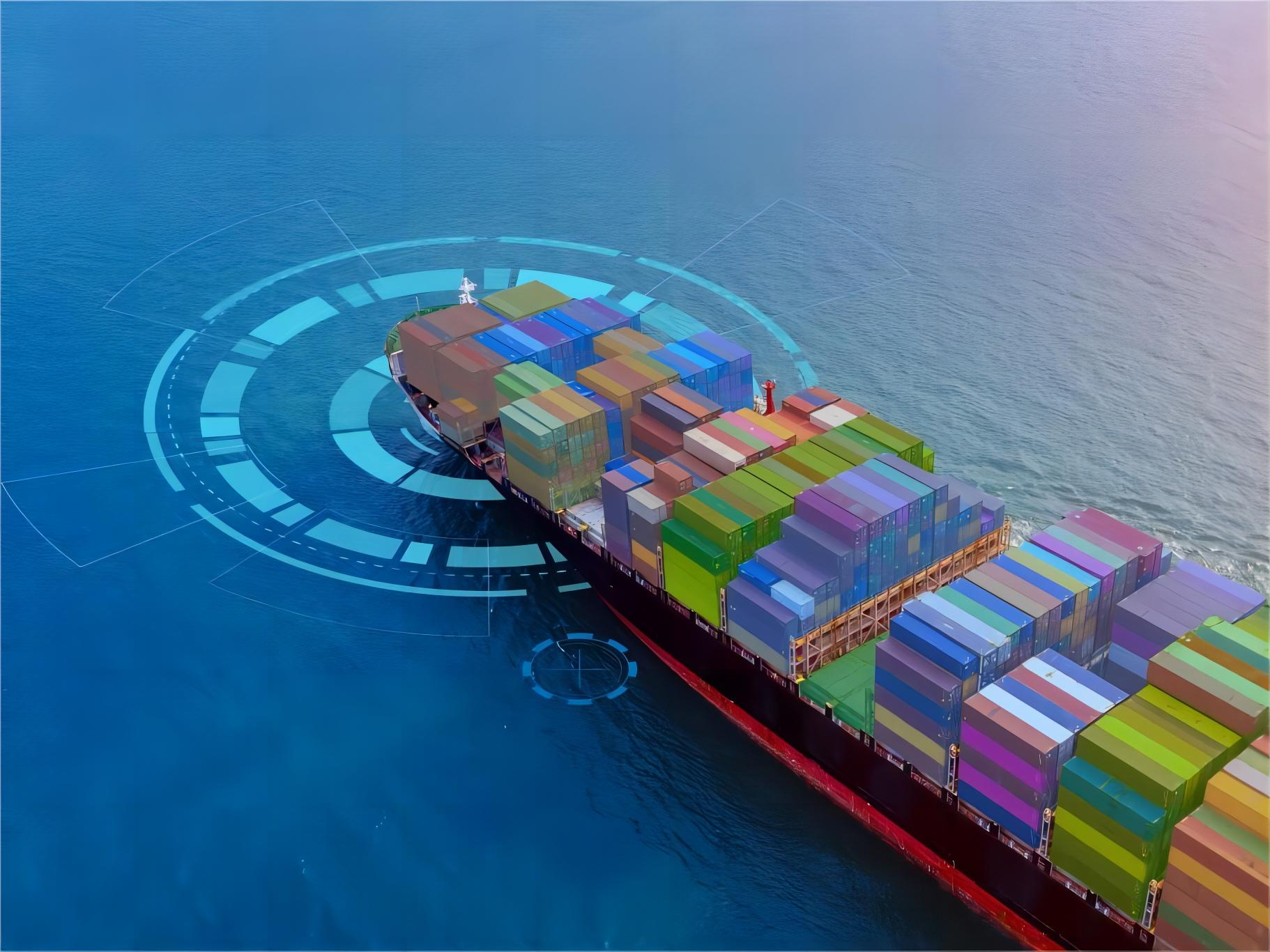
Trade relations between China and South Korea have reached new heights due to the Regional Comprehensive Economic Partnership (RCEP). Furthermore, the proximity of major Chinese ports to South Korean hubs like Busan and Incheon makes this one of the most efficient maritime routes globally.
Market data suggests that freight rates have stabilized in early 2026 following the global shifts of previous years. However, seasonal demand during the late summer months still causes temporary fluctuations in cargo handling capacity and pricing.
Therefore, shippers must remain proactive by booking space at least two weeks in advance. Additionally, leveraging digital tracking tools has become a standard requirement for maintaining visibility across the Yellow Sea.
Sea Freight: The Economical Choice for Large Volumes
Choosing sea freight remains the most cost-effective strategy for transporting heavy machinery, electronics, and bulk commodities. Specifically, the short distance between Eastern China and the Korean peninsula allows for extremely competitive transit times compared to long-haul ocean routes.
Full Container Load (FCL) options provide maximum security for large shipments by dedicating an entire container to a single importer. Conversely, Less than Container Load (LCL) serves smaller businesses by consolidating multiple shipments into one unit to share costs.
Port efficiency in 2026 has improved significantly with the introduction of automated terminals in Shanghai and Ningbo. Consequently, the average dwell time for containers has decreased, allowing for faster turnaround at South Korean ports of discharge.
| Origin Port | Destination Port | 20GP Container | Transit Time |
|---|---|---|---|
| Shanghai | Busan | $450 – $650 | 2-3 Days |
| Ningbo | Incheon | $500 – $700 | 3-4 Days |
| Qingdao | Busan | $400 – $600 | 1-2 Days |
| Shenzhen | Gwangyang | $700 – $950 | 5-6 Days |
Air Freight: Prioritizing Speed for Urgent Shipments
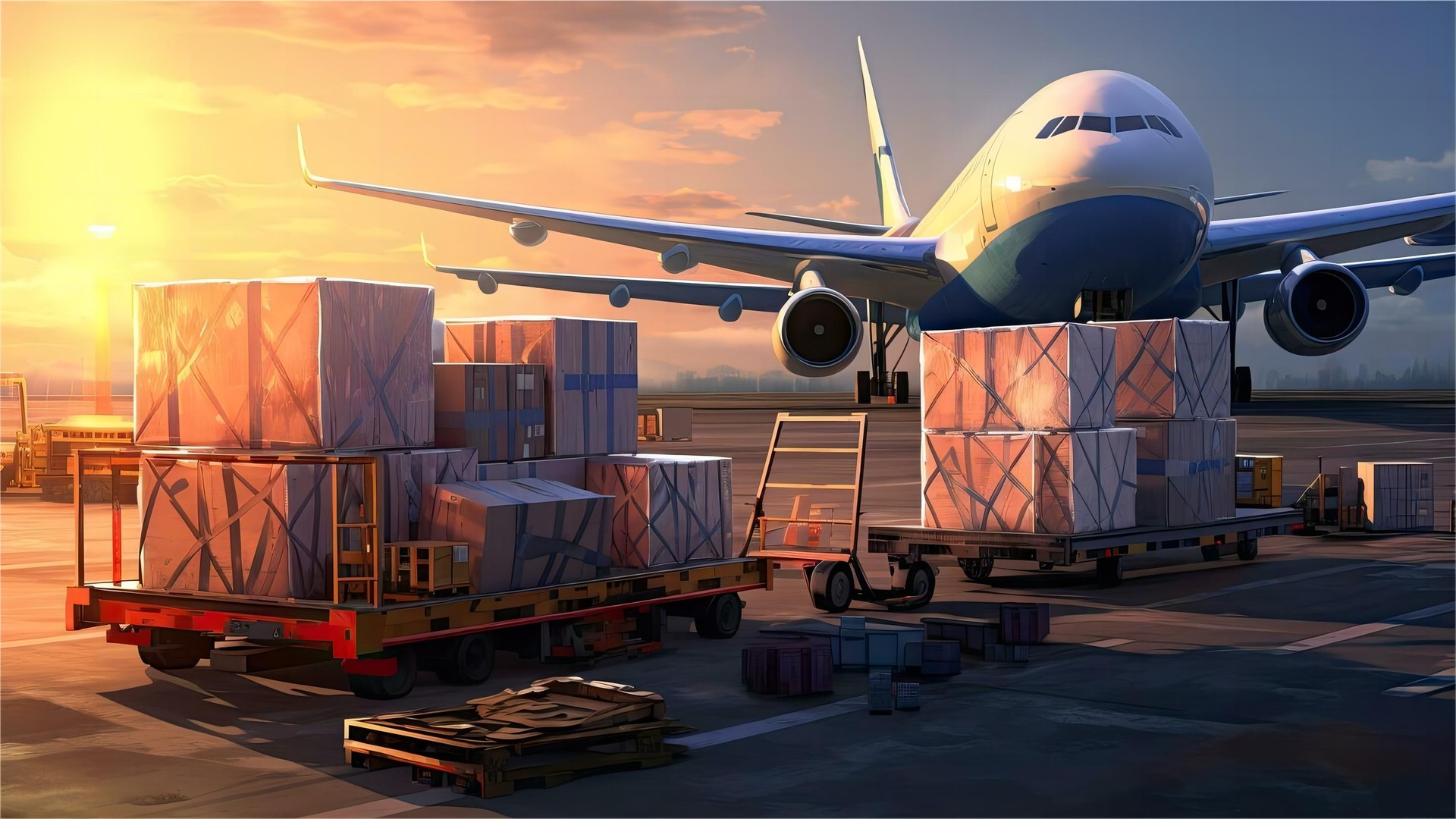
Utilizing air freight is the preferred method for high-value goods such as semiconductors, fashion samples, and perishable items. Indeed, the rapid delivery schedule ensures that supply chains remain agile in a fast-paced market environment.
Standard air services typically deliver goods within 24 to 48 hours between major hubs like Beijing Capital International and Incheon International. Moreover, the security protocols at these airports are world-class, minimizing the risk of damage or theft for sensitive cargo.
While the cost per kilogram is significantly higher than ocean transport, the reduction in inventory holding costs often justifies the investment. Specifically, businesses can maintain lower stock levels by relying on just-in-time air deliveries from Chinese manufacturers.

Express Service: Seamless Delivery for Small Parcels
Selecting an express service is ideal for documents and small packages weighing less than 100 kilograms. This method combines the speed of air transport with the convenience of end-to-end management by a single provider.
Most express shipments from China to Seoul are delivered within 1 to 3 business days. Furthermore, these services include integrated customs clearance, which simplifies the process for individuals and small enterprises.
Pricing for express delivery is generally calculated based on either actual weight or volumetric weight, whichever is greater. Therefore, optimizing your packaging is a crucial step in reducing overall shipping expenses for small-scale imports.
Customs Brokerage and Import Regulations in South Korea
Navigating the South Korean Customs Service (KCS) requires precision and a thorough understanding of current tariff classifications. Consequently, hiring a professional customs brokerage is highly recommended to avoid costly delays and penalties.
Importers must provide a detailed commercial invoice, a packing list, and a bill of lading for every shipment. Additionally, a Certificate of Origin is vital for claiming preferential duty rates under the RCEP or the China-Korea Free Trade Agreement.
South Korea maintains strict standards for electronics and food products, often requiring KC (Korea Certification) marks or health certificates. Accordingly, verifying compliance before the cargo leaves China is essential for a smooth entry into the Korean market.
Door to Door Logistics: Total Supply Chain Integration
Opting for door to door services eliminates the burden of managing multiple logistics providers. This comprehensive solution covers everything from factory pickup in China to final delivery at a warehouse in South Korea.
Transparency is a major benefit of this model, as shippers receive a single quote that includes all freight, handling, and delivery fees. Furthermore, having a single point of contact simplifies communication and accountability throughout the transit process.
In 2026, many providers have integrated AI-driven logistics platforms to optimize delivery routes and predict potential delays. As a result, businesses can enjoy more reliable delivery windows and improved customer satisfaction.
How Does Sea Freight Compare to Other Shipping Options?
Determining the best shipping method requires a careful analysis of budget, speed, and cargo volume. While sea freight offers the lowest cost per unit, it may not be suitable for time-sensitive product launches or high-value electronics.
Air freight provides the necessary speed but comes at a premium price point that can impact profit margins for low-value goods. Meanwhile, express services bridge the gap for small parcels by offering a balance of speed and convenience.
The following table provides a clear comparison of the primary shipping methods available for the China to South Korea route in 2026.
| Shipping Method | Cost Range | Transit Time | Best For | Limitations |
|---|---|---|---|---|
| Sea Freight (FCL) | Low ($400-$900) | 2-7 Days | Bulk Goods | Port Congestion |
| Air Freight | High ($2-$5/kg) | 1-2 Days | High Value | Weight Limits |
| Express Service | Medium ($5-$10/kg) | 1-3 Days | Small Parcels | Higher Unit Cost |
| Sea-Air Hybrid | Moderate | 3-5 Days | E-commerce | Complex Handling |
Which Option Should You Choose? A Decision Framework
Budget priority should lead you toward sea freight, especially if you can fill a 20GP or 40HQ container. However, if your cargo is under 2 CBM, LCL shipping is likely the most economical choice for your business needs.
Speed priority necessitates the use of air freight or express services to meet tight deadlines. For instance, if a production line in Gyeonggi-do is waiting for a critical component from Shenzhen, the higher cost of air freight is easily justified.
Cargo type also dictates the method, as hazardous materials or oversized machinery may have specific restrictions on aircraft. In contrast, almost any type of cargo can be accommodated via ocean vessels provided the correct container type is used.
Real-World Case Studies: China to South Korea Logistics
Examining actual shipping scenarios provides valuable insights into the practical challenges and costs involved in international trade. These examples reflect the market conditions and logistics trends observed in early 2026.
Case Study 1: Electronics from Shenzhen to Incheon. A tech company shipped 500kg of smartphone components via air freight. The total landed cost was $1,450, and the transit time from factory pickup to delivery was 3 days. The key insight was that using a pre-cleared express channel saved 24 hours in customs.
Case Study 2: Furniture from Ningbo to Busan. A retailer imported a 40HQ container of home office furniture. The ocean freight was $850, with origin and destination charges totaling $600. Total door-to-door transit took 8 days, including 4 days of sea transit and 2 days for customs clearance. The success was attributed to accurate HS code classification which avoided inspections.
Case Study 3: Textile Samples from Guangzhou to Seoul. A fashion brand used express service for 30kg of fabric samples. The cost was $210, and delivery was completed in 48 hours. This allowed the brand to finalize their seasonal collection a week ahead of schedule.
Cost-Saving Strategies for 2026 Shipments
Consolidating shipments is one of the most effective ways to reduce your overall shipping costs from China to South Korea. By combining multiple orders into a single LCL or FCL shipment, you can minimize per-unit handling fees and documentation costs.
Negotiating long-term contracts with freight forwarders can also provide stability in a fluctuating market. Furthermore, choosing off-peak shipping dates can lead to significant savings, as carriers often offer discounts to fill capacity during slower mid-week periods.
Finally, always ensure your documentation is 100% accurate to avoid storage fees and fines at the port of discharge. Even a small error in a commercial invoice can lead to days of delays, which quickly adds to the total landed cost of your goods.
Final Thoughts on Shipping from China to South Korea
Successfully managing shipping from China to South Korea in 2026 involves balancing cost, speed, and regulatory compliance. By selecting the appropriate shipping method and staying informed about market trends, businesses can maintain a competitive edge in the regional market.
Whether you choose the economy of sea freight or the urgency of air transport, having a clear strategy is paramount. Remember that the right logistics partner will not only move your cargo but also provide the market intelligence needed to navigate the evolving trade landscape between these two nations.
In conclusion, thorough preparation and accurate documentation remain the cornerstones of efficient cross-border trade. Start planning your next shipment today to take full advantage of the growing opportunities in the China-Korea trade corridor.

Need a tailored shipping solution?
Optimizing your supply chain from China to South Korea requires expert guidance and reliable execution. Contact our team today to receive a customized quote and discover how we can streamline your international logistics. Visit our inquiry page to start your shipment process with a professional partner you can trust.