

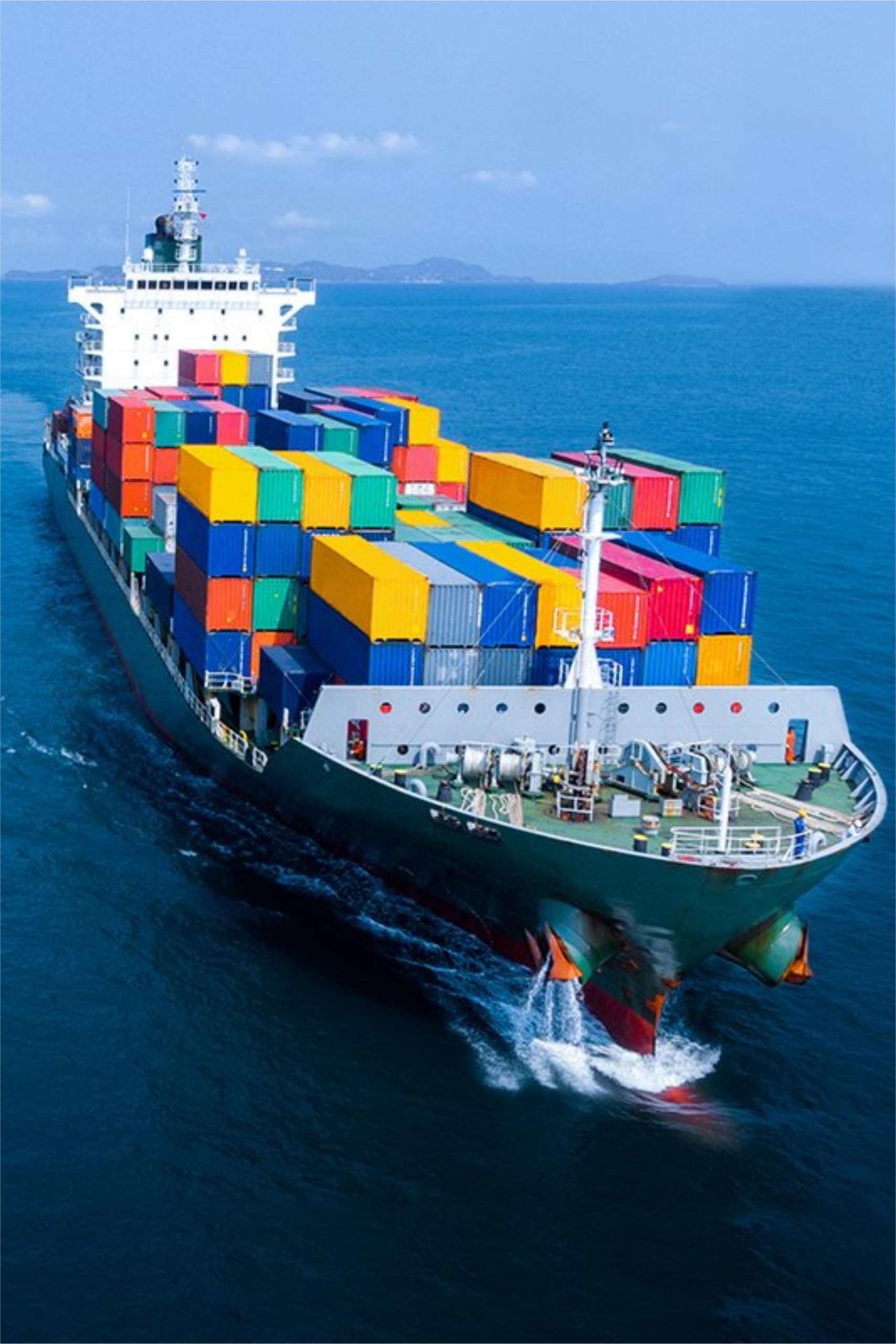
Amazon FBA Shipping China to Japan: 2026 Logistics Guide
Optimizing your amazon fba shipping china to japan strategy is essential for maintaining a competitive edge in the Japanese marketplace. Many sellers struggle with rising logistics costs and complex customs regulations that can delay inventory arrival. At ailogisticschina.com, we provide comprehensive solutions to streamline your supply chain and ensure your products reach Amazon fulfillment centers efficiently. This guide explores the most effective methods to manage your international shipping needs while minimizing expenses in 2026.
✦
How Does Amazon FBA Shipping China to Japan Work in 2026?
Shipping inventory directly to Amazon warehouses in Japan requires a deep understanding of both Chinese export laws and Japanese import regulations. Sellers must choose between various transport modes based on their budget, volume, and urgency. Furthermore, the 2026 logistics landscape has evolved with new digital tracking tools and automated customs processes that simplify the journey.
Reliable freight forwarders act as the bridge between your manufacturer and the Amazon fulfillment network. They handle the complex tasks of cargo handling, documentation, and final mile delivery. Additionally, using a specialized Amazon FBA service ensures that your goods meet the strict packaging and labeling standards required by Amazon Japan.
Market data suggests that the volume of trade between China and Japan remains robust, though shipping rates fluctuate based on seasonal demand. Consequently, planning your shipments at least four to six weeks in advance is highly recommended to avoid peak season surcharges. Meanwhile, staying updated on the latest logistics trends will help you adapt your strategy to changing market conditions.
How Does Sea Freight Compare to Other Shipping Options?
Evaluating different transport methods is the first step in creating a cost-effective shipping plan. While air freight offers speed, sea freight remains the most economical choice for large volume shipments and heavy goods. In 2026, many sellers utilize a hybrid approach to balance speed and cost effectively.
Choosing the right method depends on your specific business goals and inventory turnover rates. For instance, high-value electronics often travel via air to reduce lead times, whereas bulky home goods are better suited for ocean containers. Moreover, the difference in landed costs between these methods can significantly impact your profit margins.
Below is a detailed comparison of the primary shipping methods available for the China to Japan route in early 2026.
| Shipping Method | Cost Range | Transit Time | Best For |
|---|---|---|---|
| Sea Freight (FCL) | $800 – $1,500 | 10 – 15 Days | Large volumes, heavy goods |
| Sea Freight (LCL) | $50 – $90 per CBM | 12 – 18 Days | Small to medium loads |
| Air Freight | $2.50 – $5.50 per kg | 3 – 5 Days | Urgent or high-value items |
| Express Service | $6.00 – $9.00 per kg | 1 – 3 Days | Small samples or urgent restocks |
Transit Times and Delivery Schedules for Japan Warehouses
Understanding transit times is crucial for inventory management and avoiding out-of-stock scenarios. Shipping from major Chinese hubs like Shenzhen or Shanghai to Japanese ports like Tokyo or Osaka is relatively fast compared to Western routes. However, you must also account for the time required for customs clearance and inland transportation to the FBA center.
Typical sea transit times from China to Japan range from 4 to 8 days, depending on the specific port of departure. After the vessel arrives, customs processing and de-consolidation usually take another 3 to 5 business days. Therefore, the total door-to-door time for sea freight is often between 12 and 20 days.
Air shipments are significantly faster, typically arriving at Japanese airports within 24 hours of departure. Once the cargo lands, air freight usually clears customs within 1 to 2 days. Consequently, you can expect your inventory to be active on Amazon Japan within 5 to 7 days of leaving the factory in China.
Navigating Japan Customs and Import Taxes
Japan has strict regulations regarding product safety and import documentation that every seller must follow. Failure to comply with these rules can lead to shipment seizures or significant delays at the border. Indeed, hiring a professional customs brokerage is often the safest way to navigate these complexities.
Sellers must pay Consumption Tax (currently 10%) on the CIF (Cost, Insurance, and Freight) value of their goods. Additionally, some product categories may be subject to specific import duties depending on their HS code classification. Without a doubt, accurate valuation of your goods is essential to avoid penalties from Japanese customs authorities.
Proper documentation includes a commercial invoice, packing list, and a bill of lading or airway bill. For certain items like food, cosmetics, or toys, additional health and safety certificates are required by Japanese law. As a result, verifying your product requirements before shipping is a vital step in the process.
Cost-Saving Strategies for Amazon FBA Shipping
Reducing your logistics expenses requires a proactive approach to shipping and inventory planning. One effective strategy is to consolidate multiple small shipments into a single larger one to benefit from lower freight rates. Furthermore, optimizing your packaging to reduce dimensional weight can lead to significant savings on air freight costs.
Negotiating long-term contracts with freight forwarders can provide more stable pricing throughout the year. Because rates fluctuate based on fuel costs and carrier capacity, having a fixed rate can protect your margins during peak seasons. Additionally, consider using door to door services to eliminate hidden middleman fees.
Implementing a regional warehousing strategy in China can also help lower costs. By storing goods closer to major export ports, you reduce domestic trucking expenses before the international leg of the journey begins. Nevertheless, always compare the total landed cost of different routes to find the most economical solution for your business.
Real-World Case Studies for Japan FBA Shipping
Examining real-world examples helps sellers understand the practical application of different shipping strategies. These cases highlight the costs and timelines associated with actual shipments conducted in early 2026. By reviewing these scenarios, you can better estimate the requirements for your own Amazon FBA operations.
Case Study 1 focuses on a typical sea freight shipment for a seller dealing in home decor. Case Study 2 looks at an urgent air freight restock for a high-demand consumer electronics brand. These examples reflect current market rates and typical logistical challenges encountered on the China to Japan route.
Case Study 1: Sea Freight for Home Decor
Route: Ningbo, China to Tokyo, Japan. Cargo: 15 CBM of ceramic vases (LCL). Carrier: Major ocean carrier. Port of Loading: Ningbo Port. Port of Discharge: Tokyo Port. Route Type: Direct.
Cost Breakdown: Ocean Freight: $1,050. Origin Charges: $250. Destination Charges: $320. Customs and Duties: $450. Total Landed Cost: $2,070. Timeline: Booking to Loading: 4 days. Sea Transit: 6 days. Customs Clearance: 3 days. Total Door-to-Door: 16 days.
Key Insight: Using LCL allowed the seller to maintain inventory levels without the high cost of a full container. Based on Q1 2026 market rates, this was the most cost-effective method for this cargo volume.
Case Study 2: Air Freight for Electronics
Route: Shenzhen, China to Osaka, Japan. Cargo: 450kg of smart home devices. Carrier: International air cargo. Port of Loading: Shenzhen Baoan Airport. Port of Discharge: Kansai International Airport. Route Type: Direct.
Cost Breakdown: Air Freight: $1,575. Origin Charges: $180. Destination Charges: $210. Customs and Duties: $850. Total Landed Cost: $2,815. Timeline: Booking to Loading: 1 day. Air Transit: 4 hours. Customs Clearance: 1 day. Total Door-to-Door: 4 days.
Key Insight: The seller chose air freight to capitalize on a viral marketing trend. While the cost per unit was higher, the rapid delivery prevented stockouts and maximized sales during the peak period.
Which Option Should You Choose? Decision Framework
Selecting the right shipping strategy involves balancing speed, cost, and reliability. If your primary goal is to minimize expenses and you have a high volume of goods, sea freight is the clear winner. Conversely, if you are launching a new product or need to restock quickly, air freight or express services are more appropriate.
Consider the value-to-weight ratio of your products when making your decision. Lightweight, high-value items often benefit from the security and speed of air transport. On the other hand, heavy items like furniture or equipment are almost always shipped via ocean to remain profitable.
Finally, evaluate your current inventory levels and sales velocity. Maintaining a buffer stock in Japan can allow you to use slower, cheaper shipping methods more frequently. In contrast, a just-in-time inventory model requires the speed and precision of air or express logistics.
Conclusion
Successfully managing amazon fba shipping china to japan requires a strategic approach to logistics and a clear understanding of the regulatory environment. By choosing the right shipping method and working with experienced partners, you can ensure your products arrive safely and cost-effectively. Whether you prioritize the speed of air freight or the economy of sea freight, consistency is the key to long-term success.
As market conditions continue to evolve in 2026, staying flexible and informed will help you overcome potential challenges. Remember to account for all landed costs, including taxes and duties, to maintain healthy profit margins. With the right planning and execution, your Amazon Japan business can thrive in one of the world’s most dynamic marketplaces.