
Shipping from China to Japan: 2026 Complete Logistics and Cost Guide
Navigating the complexities of shipping from China to Japan requires a strategic approach to balance speed and cost efficiency. As trade volumes between these two Asian powerhouses continue to reach new heights in 2026, businesses must adapt to evolving logistics trends and port technologies. Whether you are a seasoned importer or a new entrepreneur, choosing the right partner like AI Logistics China ensures your goods move seamlessly across the East China Sea. This guide provides an in-depth analysis of the current shipping landscape, offering actionable insights for your 2026 cargo planning.
What are the Primary Shipping Methods from China to Japan?
Selecting the appropriate transport mode is the most critical decision in your logistics strategy. For large volumes of goods, sea freight remains the most economical choice for most businesses in 2026. Consequently, ocean transport handles the vast majority of industrial machinery and bulk consumer products moving between these nations.
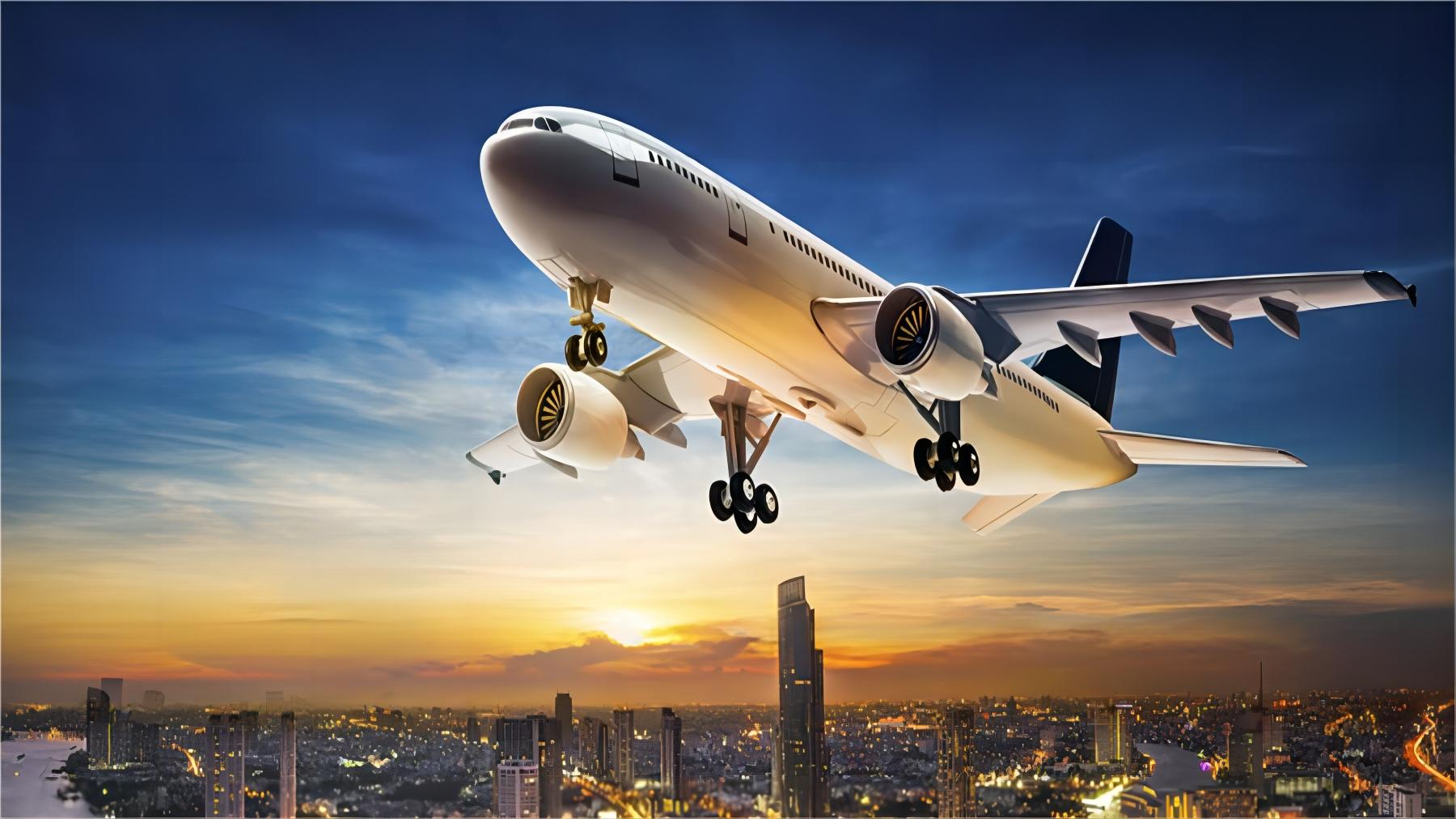
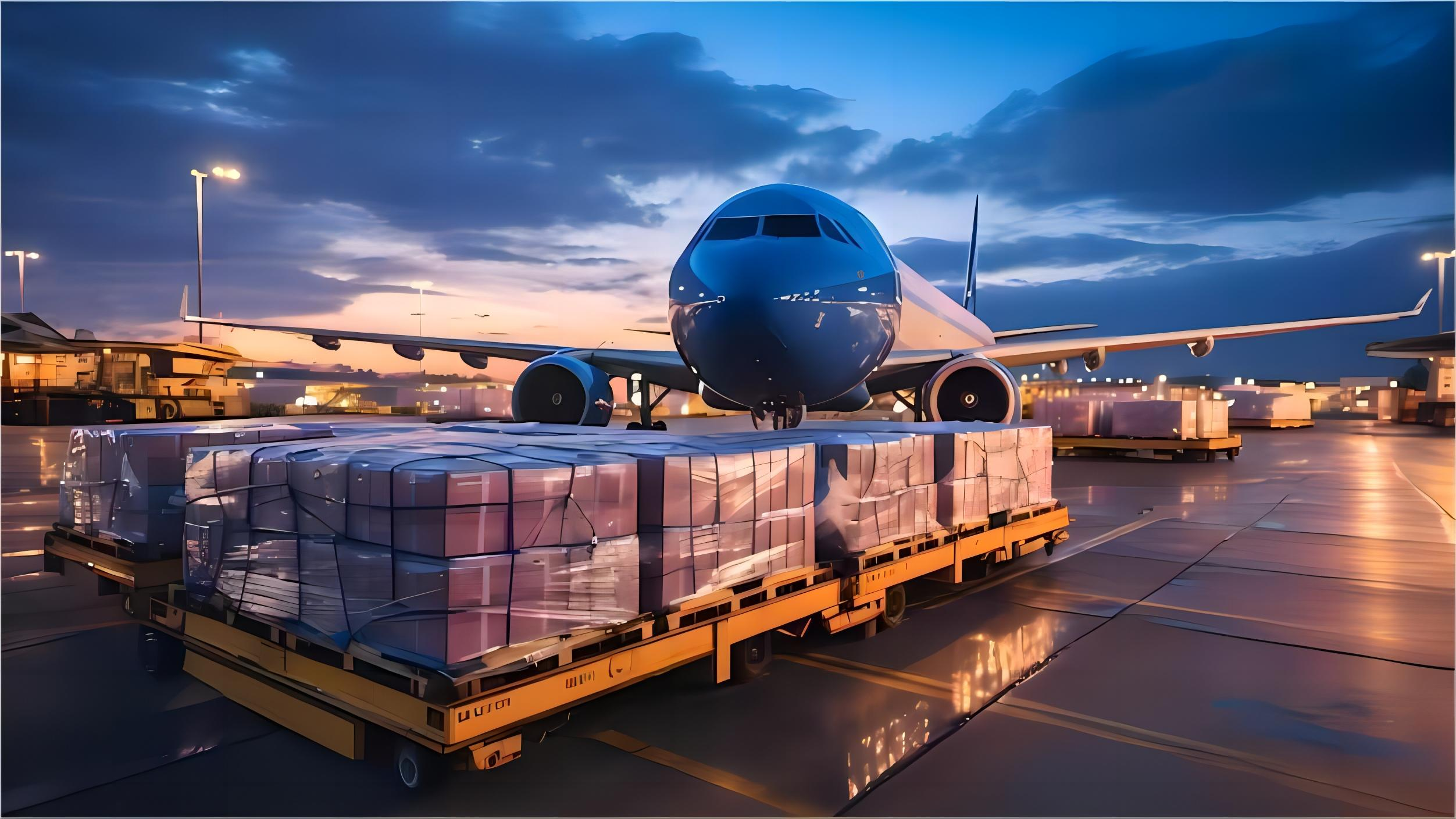
Air cargo provides a vital alternative when time is the primary constraint for your inventory. While it carries a higher price tag, the speed of air freight is unmatched for high-value electronics or seasonal fashion items. Moreover, the proximity of major Chinese hubs to Japanese airports allows for exceptionally fast turnaround times compared to long-haul international routes.
Express services offer a streamlined solution for small parcels and urgent documents. Utilizing an express service simplifies the process by combining transport and customs clearance into a single package. This method is particularly popular for e-commerce sellers who require reliable, door-to-door delivery for individual customer orders.
How Does Sea Freight Compare to Other Shipping Options?
Comparing different shipping modes involves analyzing the trade-offs between budget and urgency. Sea freight is ideal for shipments exceeding 2 cubic meters, where the cost per unit drops significantly. In contrast, air freight is generally calculated by weight, making it prohibitive for heavy or bulky items unless they are critically time-sensitive.
Hybrid solutions have gained popularity in early 2026 as a way to balance these factors. For example, some shippers use sea-air combinations to move goods quickly from inland China to coastal ports before flying them to Japan. This approach can save approximately 20 percent in costs compared to pure air freight while remaining much faster than standard ocean transit.
Businesses should also consider the specific infrastructure of the destination port in Japan. While Tokyo and Yokohama are primary hubs, smaller ports like Hakata or Niigata might offer faster processing for specific regional deliveries. Choosing the right entry point can reduce domestic trucking costs once the cargo arrives.
| Shipping Method | Cost Range | Transit Time | Best For |
|---|---|---|---|
| Sea Freight (FCL) | $800 – $1,600 | 6-10 Days | Bulk / Heavy Cargo |
| Sea Freight (LCL) | $45 – $95 / CBM | 8-12 Days | Medium Shipments |
| Air Freight | $3.50 – $6.50 / kg | 1-3 Days | High-Value Goods |
| Express Courier | $6.00 – $12.00 / kg | 1-2 Days | Small Parcels |
Which Option Should You Choose for Your Cargo?
Determining the best shipping strategy depends on your specific business priorities and cargo characteristics. If your primary goal is cost reduction and you have a flexible timeline, ocean freight is the logical choice. However, if you are managing a lean supply chain with low inventory levels, the speed of air transport may justify the higher expenditure.
Volume thresholds often dictate the transition between methods. For instance, shipments under 100 kilograms are almost always more efficient via express courier. Once you exceed 500 kilograms, traditional air freight becomes more competitive, and at the 2-cubic-meter mark, sea freight LCL starts to offer the best value.
Cargo type also plays a significant role in the decision-making process. Perishable goods or hazardous materials require specialized handling that may limit your options. Always consult with a professional to ensure your specific cargo complies with both Chinese export and Japanese import safety standards.
Understanding 2026 Sea Freight Rates and Transit Times
Market data suggests that sea freight rates from China to Japan have stabilized in early 2026 following the logistics shifts of the previous year. Typically, shipping from Shanghai to Tokyo takes between 5 to 7 days, while routes from Shenzhen to Osaka may take 8 to 10 days. These short durations make the China-Japan sea route one of the most efficient in the world.
Seasonal fluctuations still impact pricing, particularly during the period leading up to the Lunar New Year and the Golden Week in Japan. During these peak windows, capacity tightens and rates can increase by 15 to 25 percent. Planning your bookings at least three weeks in advance is recommended to secure space and avoid premium surcharges.
Fuel surcharges and port congestion fees are additional variables to monitor in 2026. While modern green-energy vessels are reducing some costs, environmental compliance fees are becoming a standard part of ocean freight quotes. Always request a comprehensive quote that includes all local charges at both the origin and destination.
| Origin Port | Destination Port | Direct Transit | Service Type |
|---|---|---|---|
| Shanghai | Tokyo | 5 Days | Direct |
| Ningbo | Osaka | 6 Days | Direct |
| Shenzhen | Yokohama | 8 Days | Direct |
| Qingdao | Nagoya | 5 Days | Direct |
Navigating Japan Customs and Import Regulations
Japan maintains strict customs protocols that require precise documentation for a smooth entry. Utilizing a professional customs brokerage service is often the best way to prevent costly delays at the border. Specifically, the Japan Customs Advance Filing Rules (AFR) require electronic submission of cargo information before the vessel leaves the Chinese port.
Import duties and consumption tax are the two primary financial obligations when your goods arrive. Most industrial products have low or zero duty rates, but agricultural items and certain textiles may carry significant tariffs. Consequently, verifying the Harmonized System (HS) codes for your products is a vital step in calculating your total landed cost accurately.
Documentation requirements generally include the commercial invoice, packing list, and bill of lading. Furthermore, certain products like cosmetics or electronics may require additional certificates of origin or safety compliance labels. Ensuring all paperwork is in Japanese or English will help expedite the review process by Japanese customs officials.
The Benefits of Door to Door Logistics Solutions
Managing multiple vendors for trucking, shipping, and customs can be overwhelming for many businesses. Choosing a door to door service simplifies your entire supply chain by providing a single point of contact. This integrated approach reduces the risk of communication errors and ensures a more predictable delivery schedule.
Inland transportation in Japan is highly efficient but can be expensive if not managed correctly. Professional logistics providers coordinate the final mile delivery using Japan’s extensive network of specialized trucking companies. This ensures that your cargo reaches its final destination, whether a warehouse in Saitama or a retail shop in Kyoto, without unnecessary delays.
Real-time tracking is a standard feature of modern door-to-door services in 2026. Shippers can monitor their cargo’s progress from the moment it leaves the factory in China until it is signed for at the Japanese delivery address. This transparency allows for better inventory management and improved customer service for your Japanese clients.
Real-World Case Studies: Shipping from China to Japan
Case Study 1: Electronics Components from Shenzhen to Tokyo. A tech manufacturer needed to move 450kg of sensitive sensors urgently. By choosing air freight, they avoided a production line shutdown. The shipment arrived at Narita Airport in 24 hours, cleared customs in 6 hours, and reached the factory in under 48 hours total. Total cost was approximately $2,100.
Case Study 2: Furniture Import from Ningbo to Osaka. A Japanese retailer ordered a 40HQ container of home decor. Using sea freight FCL, the transit took 7 days. The total ocean freight was $1,450, with destination charges adding another $400. This method allowed the retailer to maintain a high profit margin while keeping retail prices competitive for the Japanese market.
Case Study 3: E-commerce Apparel via LCL. A small boutique imported 3 CBM of clothing from Guangzhou. LCL shipping was the most cost-effective strategy, costing roughly $240 for the sea portion. Although the total door-to-door time was 14 days, the low shipping cost per unit allowed the business to scale their operations efficiently during the 2026 spring season.
Cost-Saving Strategies for Your 2026 Shipments
Reducing your logistics expenses requires a combination of smart planning and cargo optimization. Consolidating multiple small orders into a single LCL or FCL shipment is one of the most effective ways to lower your per-unit cost. Additionally, optimizing your packaging to reduce wasted space can lead to significant savings, especially for air freight where volume-weight is a factor.
Negotiating long-term contracts with freight forwarders can provide stability in a fluctuating market. While spot rates might occasionally be lower, a fixed contract ensures priority space during peak seasons and protects you from sudden price spikes. Indeed, consistent shippers often receive better service levels and more flexible payment terms.
Finally, always verify your insurance coverage to protect against unforeseen losses. While the China-Japan route is generally safe, maritime accidents or handling damage can still occur. Low-cost cargo insurance provides peace of mind and financial protection, ensuring that a single mishap does not derail your business finances in 2026.
Final Thoughts on Shipping from China to Japan
Successfully shipping from China to Japan in 2026 depends on choosing the right transport mode and staying informed about market trends. Whether you prioritize the speed of air freight or the cost-effectiveness of sea freight, understanding the nuances of customs and local logistics is essential. By following the strategies outlined in this guide, you can navigate the complexities of international trade with confidence.
As the economic relationship between these two nations continues to evolve, having a reliable logistics partner becomes even more valuable. Focus on long-term efficiency and cargo safety to ensure your business thrives in the competitive Japanese market. Start planning your next shipment today to take advantage of the current 2026 freight rates and optimized transit schedules.
Need a tailored shipping solution?
Ready to streamline your supply chain and reduce your shipping costs from China to Japan? Contact our expert team today for a customized quote tailored to your specific cargo needs. Visit AI Logistics China to start your inquiry and experience professional logistics support for your 2026 business goals.