


Shipping from China to Saudi Arabia: The Ultimate 2026 Logistics Guide
Choosing the right partner for shipping from China to Saudi Arabia is essential for businesses looking to thrive in the competitive Middle Eastern market. At ailogisticschina.com, we simplify the complexities of international trade by providing reliable and efficient logistics solutions tailored to your specific needs. This comprehensive guide explores every facet of the transport process, ensuring your cargo arrives safely and on schedule during the 2026 peak season.

What Are the Main Methods for Shipping from China to Saudi Arabia?
Navigating the logistics landscape requires a clear understanding of the available transport modes for your inventory. Currently, the most prominent options include sea freight, air freight, and express courier services, each offering distinct advantages based on your budget and timeline.
Moreover, the choice between these methods depends heavily on the volume of your cargo and the urgency of the delivery. For instance, large-scale industrial equipment is typically moved via ocean routes, while high-value electronics often favor the speed of aviation.
Consequently, businesses must evaluate their priorities to determine which logistics strategy aligns best with their operational goals. In addition, recent 2026 market trends suggest that a hybrid approach is becoming increasingly popular for managing inventory fluctuations.
How Does Sea Freight Work for the Saudi Arabian Route?
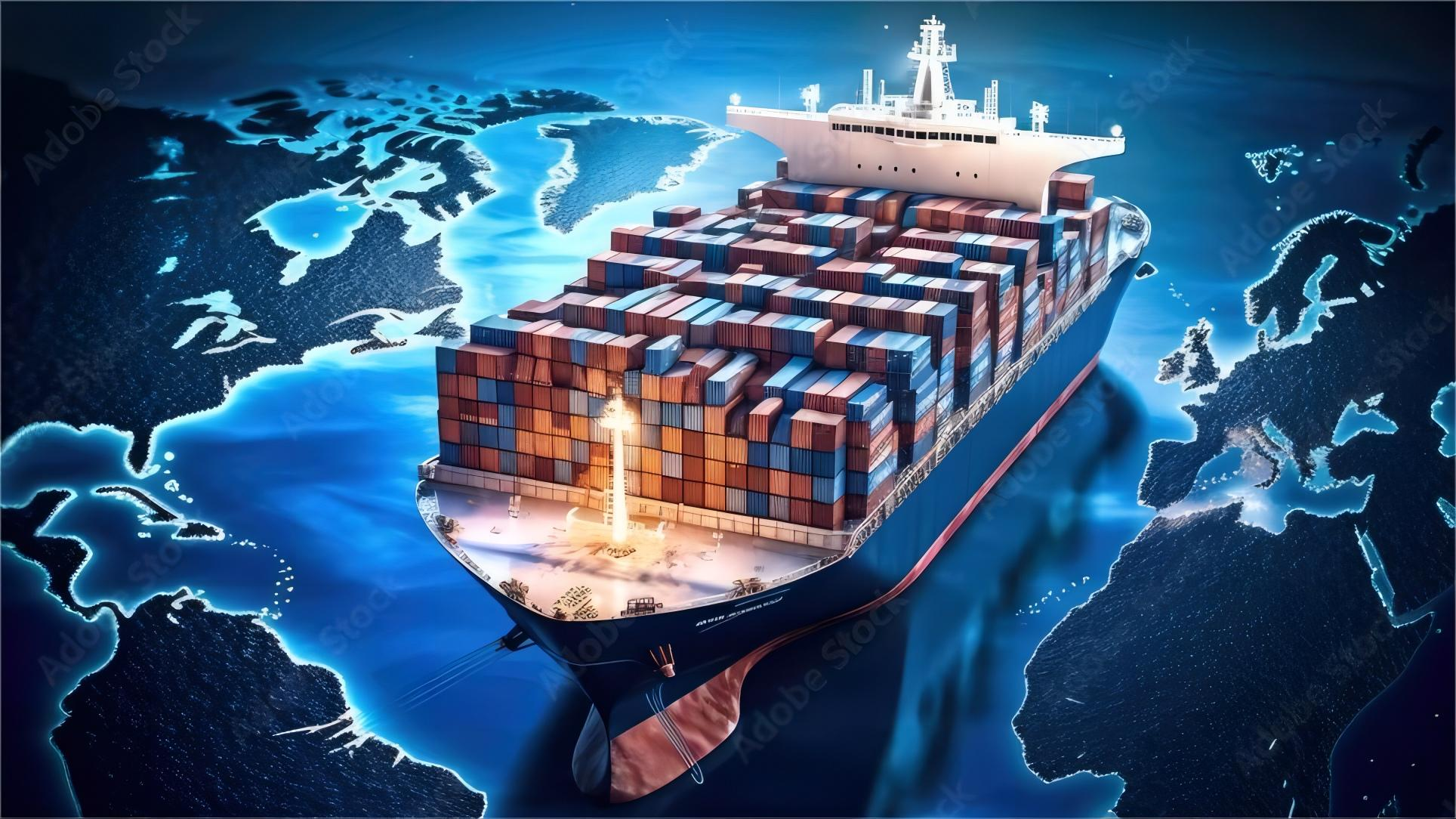
Utilizing sea freight remains the most cost-effective solution for transporting massive quantities of goods across the ocean. This method is particularly suitable for bulky items or shipments where the lead time is less critical than the overall shipping cost.
Furthermore, you can choose between Full Container Load (FCL) and Less than Container Load (LCL) depending on your shipment size. FCL provides exclusivity and faster handling, whereas LCL allows you to share space and reduce costs for smaller batches.
Indeed, major ports like Jeddah Islamic Port and King Abdulaziz Port in Dammam serve as the primary gateways for Chinese exports. Therefore, selecting the right port of discharge can significantly impact your final inland delivery schedule.
| Container Type | Capacity (CBM) | Approx. Cost (2026) | Best For |
|---|---|---|---|
| 20GP Container | 28-30 CBM | $1,900 – $2,600 | Heavy machinery |
| 40GP Container | 56-58 CBM | $2,900 – $3,900 | General merchandise |
| 40HQ Container | 68-70 CBM | $3,200 – $4,400 | Light bulky goods |
| LCL (Per CBM) | 1-15 CBM | $60 – $95 | Small shipments |
When Should You Choose Air Freight for Your Shipments?
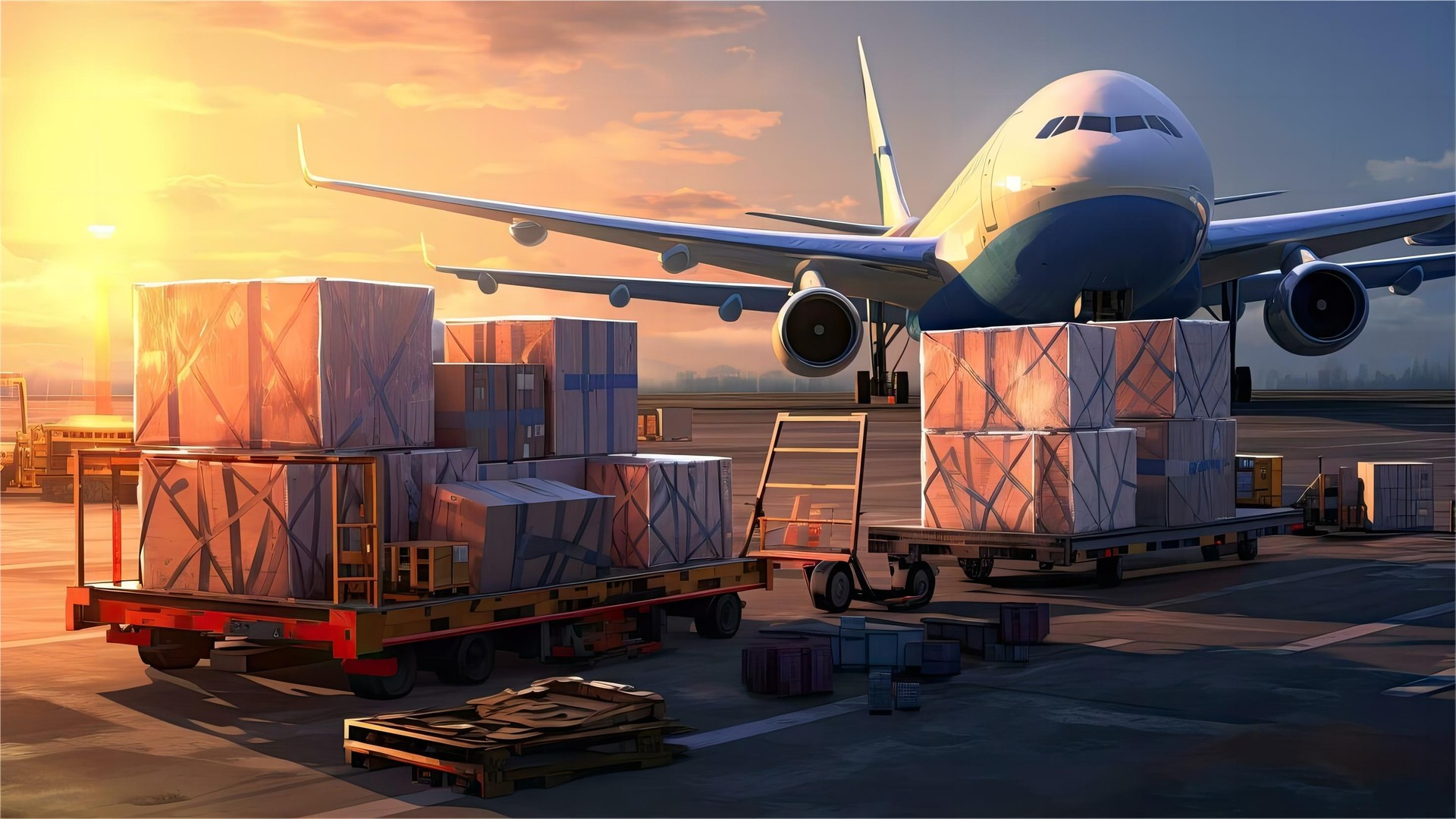
Opting for air freight is the superior choice when speed is your absolute priority in the supply chain. While the costs are higher than ocean transport, the drastically reduced transit time helps businesses maintain low inventory levels and respond quickly to market demand.
Specifically, high-value goods such as fashion items, pharmaceuticals, and sensitive electronics benefit from the enhanced security and shorter exposure to transit risks. As a result, many premium brands prefer air transport to ensure product integrity.
Additionally, the 2026 market data indicates that air cargo capacity between major Chinese hubs and Riyadh has expanded, offering more competitive rates than in previous years. Nevertheless, it remains vital to book your space in advance during peak shopping seasons to avoid delays.
Why Use Express Shipping for Small Parcels?
Selecting express shipping provides a seamless, end-to-end solution for urgent documents and small commercial samples. This service typically includes all-in pricing that covers pickup, transport, and final delivery to the recipient’s doorstep.
Furthermore, major carriers like DHL, FedEx, and UPS offer robust tracking systems that allow you to monitor your package in real-time. Consequently, this transparency builds trust and allows for better planning of business meetings or product launches.
In contrast to standard air freight, express services often handle the customs formalities more rapidly for low-value items. Therefore, it is the most efficient way to handle replacements or urgent spare parts needed for industrial operations.
What Are the Benefits of Door to Door Solutions?
Implementing door-to-door solutions eliminates the logistical burden from the importer by managing every step of the journey. This comprehensive service covers everything from the initial factory pickup in China to the final unloading at your warehouse in Saudi Arabia.
Moreover, this approach minimizes the risk of communication errors between different service providers, as a single entity manages the entire process. As a result, you can focus on your core business activities while we handle the technical details of the transport.
Notably, this method is highly recommended for first-time importers who may not be familiar with the local regulations in either country. Additionally, it provides a predictable cost structure that simplifies your financial planning and budgeting.
How to Handle Customs Brokerage and Saudi Regulations?
Navigating the customs brokerage process in Saudi Arabia requires strict adherence to the SABER platform and FASAH system. Every product imported must comply with Saudi Standards, Metrology and Quality Organization (SASO) requirements to avoid costly delays or rejections.
Consequently, ensuring that your documentation, such as the Certificate of Conformity and Commercial Invoice, is accurate is paramount for a smooth clearance. Without a doubt, working with an experienced broker can prevent common pitfalls associated with tariff classification.
Furthermore, the Saudi government has modernized its customs procedures to facilitate faster trade under the Vision 2030 initiative. However, staying updated on the latest regulatory changes in 2026 is still essential for maintaining a compliant and efficient import operation.
| Document Name | Purpose | Requirement Level | Format |
|---|---|---|---|
| SABER Certificate | Product conformity | Mandatory | Digital/PDF |
| Commercial Invoice | Value declaration | Mandatory | Original Stamped |
| Certificate of Origin | Prove source | Mandatory | Legalized |
| Packing List | Content details | Mandatory | Standard |
How Does Sea Freight Compare to Other Shipping Options?
Analyzing the trade-offs between different methods is crucial for optimizing your logistics spend and meeting customer expectations. While sea freight offers the lowest cost per unit, it requires significant lead times that may not suit every business model.
On the other hand, air freight provides unmatched speed but can be up to five times more expensive for the same volume of goods. For instance, a shipment that costs $2,000 by sea might exceed $10,000 when moved by air, depending on the current 2026 fuel surcharges.
Meanwhile, hybrid solutions like sea-air combinations are emerging as a middle ground, offering moderate speeds at a more accessible price point. To summarize, your decision should be based on the specific requirements of each shipment and your overall inventory strategy.
| Shipping Method | Cost Range | Transit Time | Best For |
|---|---|---|---|
| Sea Freight | $1,500 – $4,500 | 25 – 40 Days | Bulk / Budget |
| Air Freight | $4.50 – $9.00/kg | 4 – 8 Days | Urgent / High-Value |
| Express | $8.00 – $15.00/kg | 2 – 5 Days | Samples / Docs |
| Sea-Air Hybrid | $2.50 – $5.00/kg | 12 – 18 Days | Balanced Priority |
Real-World Case Studies: Shipping from China to Saudi Arabia
Reviewing actual shipping scenarios can provide valuable insights into the practicalities of international logistics. Below are two realistic examples based on early 2026 market conditions and standard operational procedures for the China-Saudi route.
Case Study 1: Solar Equipment from Ningbo to Jeddah. A renewable energy company required the transport of 28 CBM of solar panels. By choosing Sea Freight FCL (20GP), they achieved a total landed cost of approximately $2,850, including origin and destination charges, with a total door-to-door timeline of 36 days.
Case Study 2: Electronics from Shenzhen to Riyadh. A retailer needed 800kg of high-end tablets delivered urgently for a product launch. Using Air Freight, the cargo arrived in just 6 days, with a total cost of $5,200, ensuring they met their marketing deadlines without any stockouts.
Which Option Should You Choose for Your Business?
Determining the best strategy involves weighing your budget against your timeline and the nature of your products. If your primary goal is cost reduction and you have ample lead time, sea freight is undoubtedly the most logical choice for your operations.
Conversely, if you are dealing with perishable goods or high-demand items that require immediate replenishment, air freight is the necessary investment. Additionally, consider the volume of your cargo; shipments under 2 CBM are often more economical via LCL or express services.
Finally, always account for the total landed cost, which includes duties, taxes, and local handling fees, rather than just the freight rate. In addition, consulting with a logistics expert can help you identify hidden savings in your current shipping from China to Saudi Arabia processes.
Maximizing Efficiency with Amazon FBA Saudi Arabia
Entering the e-commerce market is made easier through Amazon FBA services, which handle storage and fulfillment for you. We specialize in preparing your goods according to Amazon’s strict labeling and packaging standards before they leave China.
Moreover, our team ensures that your inventory is delivered directly to the Saudi fulfillment centers, minimizing the risk of rejection. Consequently, this allows you to scale your online business rapidly without worrying about the logistics of individual order delivery.
In addition, we provide global support for businesses expanding to other regions like North America, Europe, and Australia. This global network ensures that your brand can grow consistently across multiple international marketplaces.
Final Thoughts on Shipping from China to Saudi Arabia
Successfully managing shipping from China to Saudi Arabia requires a strategic blend of the right transport methods, accurate documentation, and reliable partners. By understanding the nuances of sea and air freight, as well as the local customs requirements, you can build a resilient supply chain.
Furthermore, staying informed about 2026 market trends and cost variations will give your business a competitive edge in the Middle East. Whether you are shipping large industrial containers or small express parcels, prioritizing efficiency and compliance is the key to long-term success.
Need a tailored shipping solution?
Ready to optimize your supply chain and reduce costs? Contact our team today for a customized quote on shipping from China to Saudi Arabia and experience seamless logistics. Send Inquiry