


Top Freight Forwarder China to Saudi Arabia: 2026 Shipping Guide
Selecting a reliable freight forwarder China to Saudi Arabia is a vital decision for businesses navigating the complex trade lanes of 2026. As the Kingdom continues its ambitious Vision 2030 expansion, the demand for efficient supply chain solutions between Shenzhen, Shanghai, and major Saudi hubs like Riyadh and Jeddah has reached record levels. This comprehensive guide explores the most effective logistics strategies, providing you with the data needed to minimize costs and ensure timely delivery of your valuable cargo.

The Evolving Landscape of China to Saudi Arabia Logistics in 2026
Trade volumes between China and the Kingdom of Saudi Arabia have seen significant growth throughout 2025 and into early 2026. Consequently, the logistics infrastructure has adapted to support massive industrial projects and a surging e-commerce market. Modern freight forwarders now utilize advanced tracking systems and AI-driven route optimization to handle the increased complexity.
Market intelligence suggests that port efficiency in Dammam and Jeddah has improved by 15 percent compared to previous years. Furthermore, the integration of digital customs platforms has reduced the average clearance time for standard shipments. Nevertheless, shippers must still navigate specific regulatory requirements to avoid costly delays at the border.
Choosing an experienced partner is more important than ever given the dynamic nature of global trade. Specifically, a forwarder with local expertise in both Chinese manufacturing hubs and Saudi destination regulations can provide a seamless transition for your goods. Indeed, the right logistics provider acts as an extension of your business, managing everything from factory pickup to final delivery.
How Does Sea Freight Compare to Other Shipping Options?
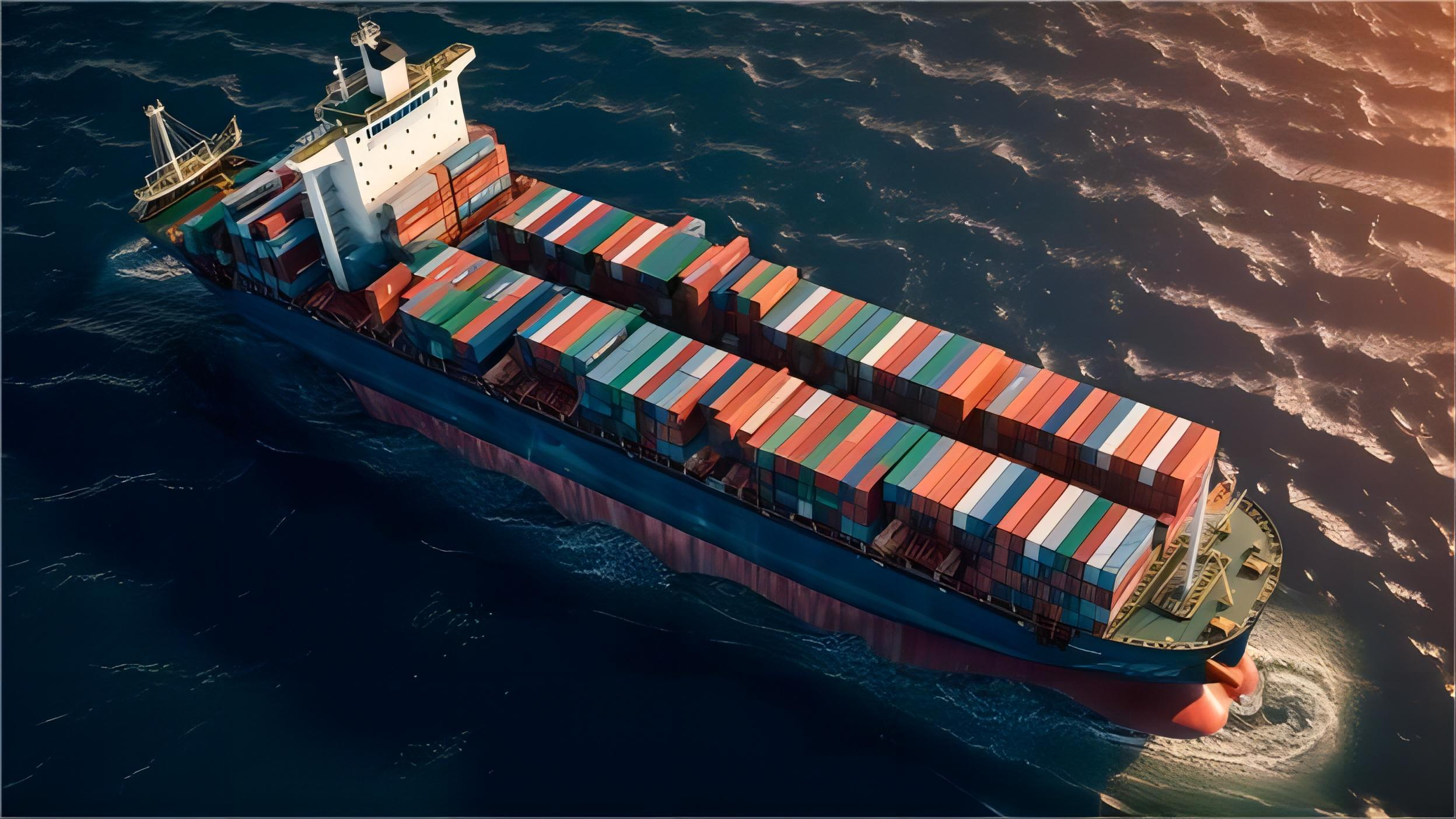
When evaluating the most cost-effective way to move large volumes, sea freight remains the primary choice for most importers. It offers the lowest cost per unit for heavy or bulky items such as machinery, furniture, and construction materials. During 2026, ocean freight rates have stabilized, though seasonal fluctuations still occur during the lead-up to Ramadan and the Chinese New Year.
In contrast, air freight provides unmatched speed for high-value or perishable goods that require immediate delivery. While the expense is significantly higher, the reduction in inventory holding costs can justify the investment for certain business models. Meanwhile, hybrid solutions like sea-air multi-modal transport are gaining popularity for those seeking a balance between speed and expenditure.
| Shipping Method | Cost Range (2026) | Transit Time | Best For |
|---|---|---|---|
| Sea Freight FCL | $3,200 – $4,800 | 22-30 Days | Bulk & Large Volume |
| Sea Freight LCL | $60 – $110 / CBM | 28-35 Days | Small Shipments |
| Air Freight | $4.50 – $8.50 / kg | 4-7 Days | Urgent & High Value |
| Sea-Air Hybrid | $2.50 – $4.00 / kg | 12-18 Days | Balanced Priority |
Air Freight Solutions for Urgent KSA Shipments
For businesses dealing with tight deadlines, air freight is the most reliable method to ensure goods arrive in Riyadh or Jeddah within days. Major carriers operate frequent flights from Beijing, Shanghai, and Guangzhou directly to King Khalid International Airport. Consequently, transit times have become extremely predictable, allowing for precise inventory management and just-in-time manufacturing.
According to industry benchmarks, air cargo rates in early 2026 have been influenced by fluctuating fuel surcharges and increased demand for electronics. For instance, shipping a pallet of high-end components might cost more than sea freight, but the security and speed are often paramount. Additionally, air transport reduces the risk of damage compared to long ocean voyages, which is a critical factor for sensitive equipment.
Note: Freight rates are subject to change based on fuel costs, carrier capacity, and seasonal demand. Contact us for a current quote tailored to your specific shipment.
Navigating Saudi Customs and SABER Certification
Importing goods into Saudi Arabia requires strict adherence to the SABER platform and FASAH systems. Therefore, working with a professional customs brokerage service is essential to ensure all Product Conformity Certificates (PCoC) are correctly issued. Failure to comply with Saudi Standards, Metrology and Quality Organization (SASO) regulations can lead to shipment rejection or heavy fines.
In addition to conformity certificates, importers must provide accurate commercial invoices, packing lists, and certificates of origin. Moreover, certain items like medical devices or food products require additional approvals from the Saudi Food and Drug Authority (SFDA). Consequently, your freight forwarder should conduct a thorough document review before the cargo leaves the port of loading in China.
Typically, customs clearance in Saudi ports takes between 2 to 5 business days if all documentation is in order. However, any discrepancies in the HS codes or missing labels can extend this period significantly. To summarize, proactive preparation is the most effective strategy for avoiding bottlenecks at the Saudi border.
| Document Type | Purpose | Issuer | Necessity |
|---|---|---|---|
| SABER PCoC | Product Compliance | Certification Body | Mandatory |
| Commercial Invoice | Value Declaration | Exporter | Mandatory |
| Packing List | Cargo Details | Exporter | Mandatory |
| SASO Certificate | Quality Standard | SASO Authority | Category Based |
Door to Door Shipping and Amazon FBA Services
Many modern importers prefer a door to door service to simplify their logistics chain. This comprehensive solution covers everything from the factory floor in China to the final warehouse or office in Saudi Arabia. As a result, business owners can focus on sales and marketing rather than managing multiple logistics vendors and local transport companies.
For e-commerce sellers, specialized Amazon FBA shipping services are available to navigate the specific labeling and delivery requirements of Saudi fulfillment centers. Furthermore, these services often include prep-work and short-term storage if needed. Consequently, your products can be listed and sold on Amazon.sa with minimal delay and maximum compliance.
Indeed, the rise of domestic delivery networks in Saudi Arabia has made door-to-door logistics more efficient than ever. Whether you are shipping to Riyadh, Jeddah, Dammam, or Neom, local expertise ensures that the final mile delivery is handled with care. Meanwhile, integrated tracking provides visibility throughout the entire journey, from the Chinese port to the Saudi doorstep.
Alternative Strategies and Hybrid Shipping Solutions
If pure sea freight is too slow and air freight is too expensive, consider alternative strategies like sea-air hybrid solutions. For example, cargo can be shipped by sea from China to Dubai and then flown to Saudi Arabia. This approach typically saves 40 percent on costs compared to direct air freight while cutting transit time by half compared to sea freight.
Another alternative involves using transshipment hubs in Oman or Bahrain to bypass potential congestion in major Saudi ports. Specifically, these routes can provide more flexibility when direct vessel space is limited during peak seasons. Furthermore, multi-modal transport via truck from neighboring GCC countries is a viable option for certain types of industrial cargo.
In contrast to standard routes, these hybrid solutions require meticulous coordination between different carriers and customs authorities. Therefore, only experienced freight forwarders with a strong Middle Eastern network should manage these complex operations. Nevertheless, for the right shipment, the cost-to-speed ratio of a hybrid strategy is often the most competitive choice in the 2026 market.

Real-World Case Studies for KSA Shipping in 2026
Case Study 1: Industrial Equipment for Neom Project. Route: Shanghai, China to Duba Port, Saudi Arabia. Cargo: Construction machinery parts, 45 CBM, 15,000 kg. Container: 40GP. Shipping Details: Carrier: COSCO. Port of Loading: Shanghai. Port of Discharge: Duba. Route Type: Direct. Cost Breakdown: Ocean Freight: $4,200. Origin Charges: $450. Destination Charges: $600. Customs: $1,200. Total Landed Cost: $6,450. Timeline: Booking to Loading: 4 days. Sea Transit: 24 days. Clearance: 3 days. Total: 31 days. Key Insight: Early SABER registration prevented delays at this emerging port.
Case Study 2: E-commerce Fashion Inventory. Route: Guangzhou, China to Riyadh, Saudi Arabia. Cargo: Apparel and accessories, 12 CBM, 2,800 kg. Container: LCL. Shipping Details: Carrier: Major Carrier. Port of Loading: Guangzhou. Port of Discharge: Jeddah. Route Type: Transshipment via Singapore. Cost Breakdown: Ocean Freight: $1,080. Origin Charges: $300. Destination Charges: $450. Customs: $850. Total Landed Cost: $2,680. Timeline: Booking to Loading: 3 days. Sea Transit: 28 days. Clearance: 4 days. Total: 35 days. Key Insight: Consolidating multiple suppliers in Guangzhou reduced the overall shipping cost by 12 percent.
Case Study 3: Urgent Medical Supplies. Route: Shenzhen, China to Riyadh, Saudi Arabia. Cargo: Diagnostic equipment, 2 CBM, 450 kg. Method: Air Freight. Shipping Details: Carrier: Saudi Arabian Airlines. Port of Loading: Shenzhen. Port of Discharge: Riyadh (RUH). Route Type: Direct. Cost Breakdown: Air Freight: $2,925. Origin Charges: $200. Destination Charges: $350. Customs: $600. Total Landed Cost: $4,075. Timeline: Booking to Loading: 1 day. Air Transit: 1 day. Clearance: 2 days. Total Door-to-Door: 4 days. Key Insight: Direct flight from Shenzhen avoided the risks associated with multiple handling points.
Which Shipping Option Should You Choose?
Choosing the right method depends on your specific priorities regarding budget, speed, and cargo type. If your primary goal is budget priority, we recommend sea freight LCL for small volumes or FCL for larger shipments. For instance, shipments under 15 CBM are typically more economical as LCL at $60-110 per CBM than booking a full container.
If you have a speed priority, air freight is the only viable option for deliveries required within a week. Furthermore, for cargo type considerations, fragile or highly sensitive electronics benefit from the reduced handling and smoother environment of air transport. On the other hand, heavy industrial components are best suited for the structural capacity of ocean containers.
Volume thresholds also play a role in your decision-making process. Once your shipment exceeds 15-20 CBM, the cost of a 20GP container often becomes more attractive than paying for individual cubic meters in LCL. Consequently, analyzing your total volume and frequency of shipments is essential for long-term cost optimization in your China to Saudi Arabia supply chain.
Mastering Your Logistics from China to Saudi Arabia
Navigating the trade route as a freight forwarder China to Saudi Arabia requires a deep understanding of both global shipping trends and local Saudi regulations. By choosing the right shipping method and ensuring all SABER documentation is in order, you can significantly reduce transit times and operational costs. Whether you opt for the economy of sea freight or the speed of air cargo, the key to success lies in meticulous planning and professional execution.
As we move through 2026, the logistics landscape will continue to evolve with new technologies and infrastructure developments. Staying informed about market rates and alternative strategies like hybrid shipping will give your business a competitive edge. Partnering with an expert logistics provider ensures that your cargo is handled with the highest standards of care and efficiency, supporting your growth in the Saudi market.

Get Your Shipping Quote Today
Streamline your supply chain today with a professional freight forwarder China to Saudi Arabia. Our team provides expert guidance on 2026 shipping rates and customs compliance to ensure your business thrives. Visit our website to request a personalized quote and experience seamless logistics. Send Inquiry for a custom shipping plan tailored to your needs.
Request Quote