

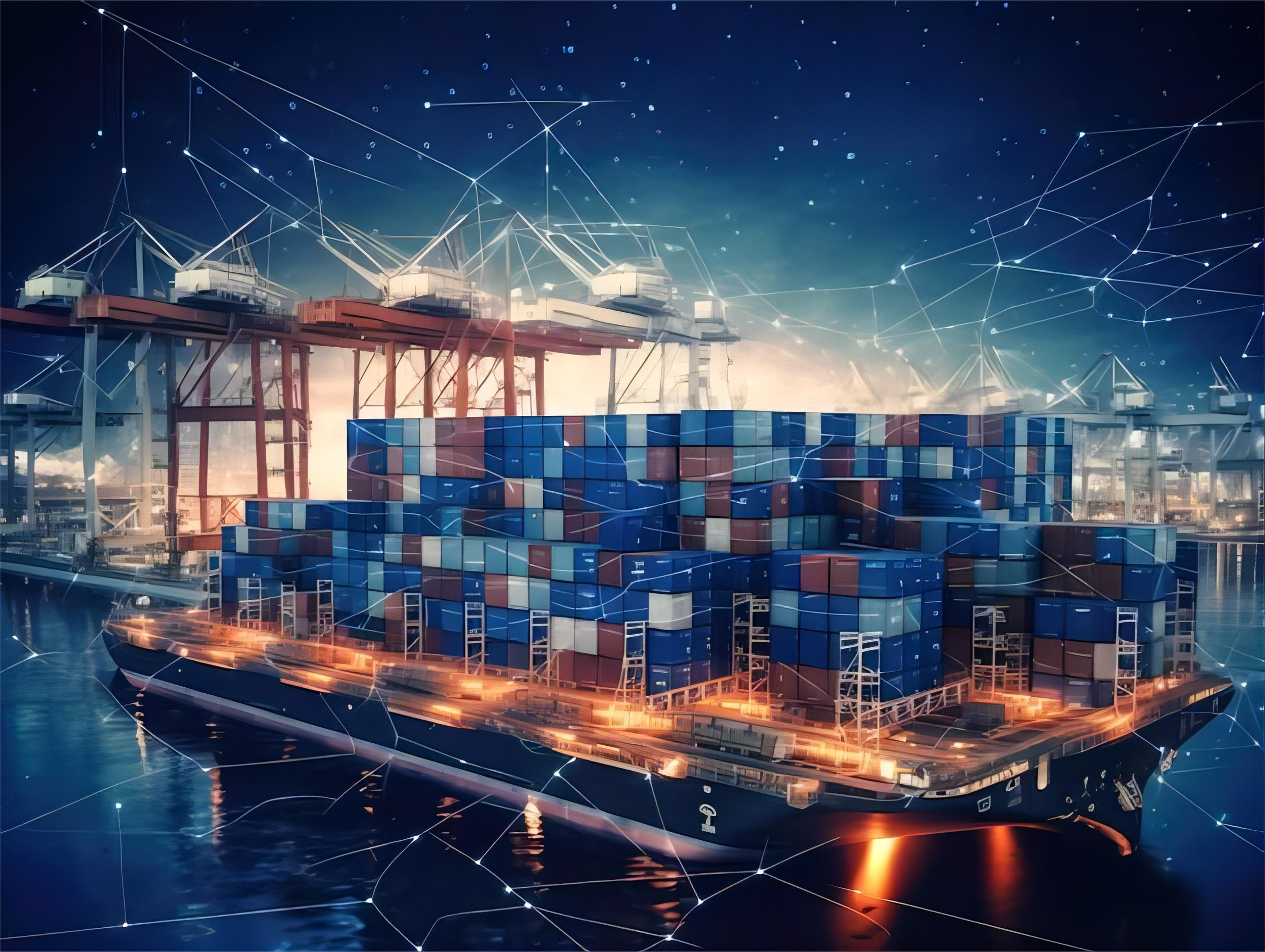
Amazon FBA Shipping China to Italy: The Ultimate 2026 Guide
Navigating the complexities of Amazon FBA shipping China to Italy requires a reliable partner to ensure your inventory arrives safely and on time. At DSV-Freight, we specialize in streamlining international logistics to help your business thrive in the competitive European marketplace. Consequently, our experts handle every aspect of the journey from Chinese factories to Italian fulfillment centers.
✦
What is the Current Market Context for Shipping to Italy in 2026?
As of Q1 2026, freight rates from China to Europe have stabilized after the 2025 Red Sea disruptions. Market data suggests that capacity has increased, allowing for more predictable delivery schedules for Italian sellers. Therefore, businesses can now plan their inventory cycles with greater precision than in previous years.
Logistics trends in 2026 show a significant shift toward sustainable shipping practices and digital tracking. Indeed, most carriers now offer real-time visibility into cargo handling and port status. This transparency helps Amazon sellers avoid stockouts during peak Italian shopping seasons.
Moreover, the European Union has implemented stricter import/export regulations regarding carbon emissions. Consequently, choosing a forwarder that understands these environmental standards is crucial for long-term success. Typical rates as of early 2026 reflect these new compliance costs while remaining competitive.
How Does Sea Freight Compare to Other Shipping Options?
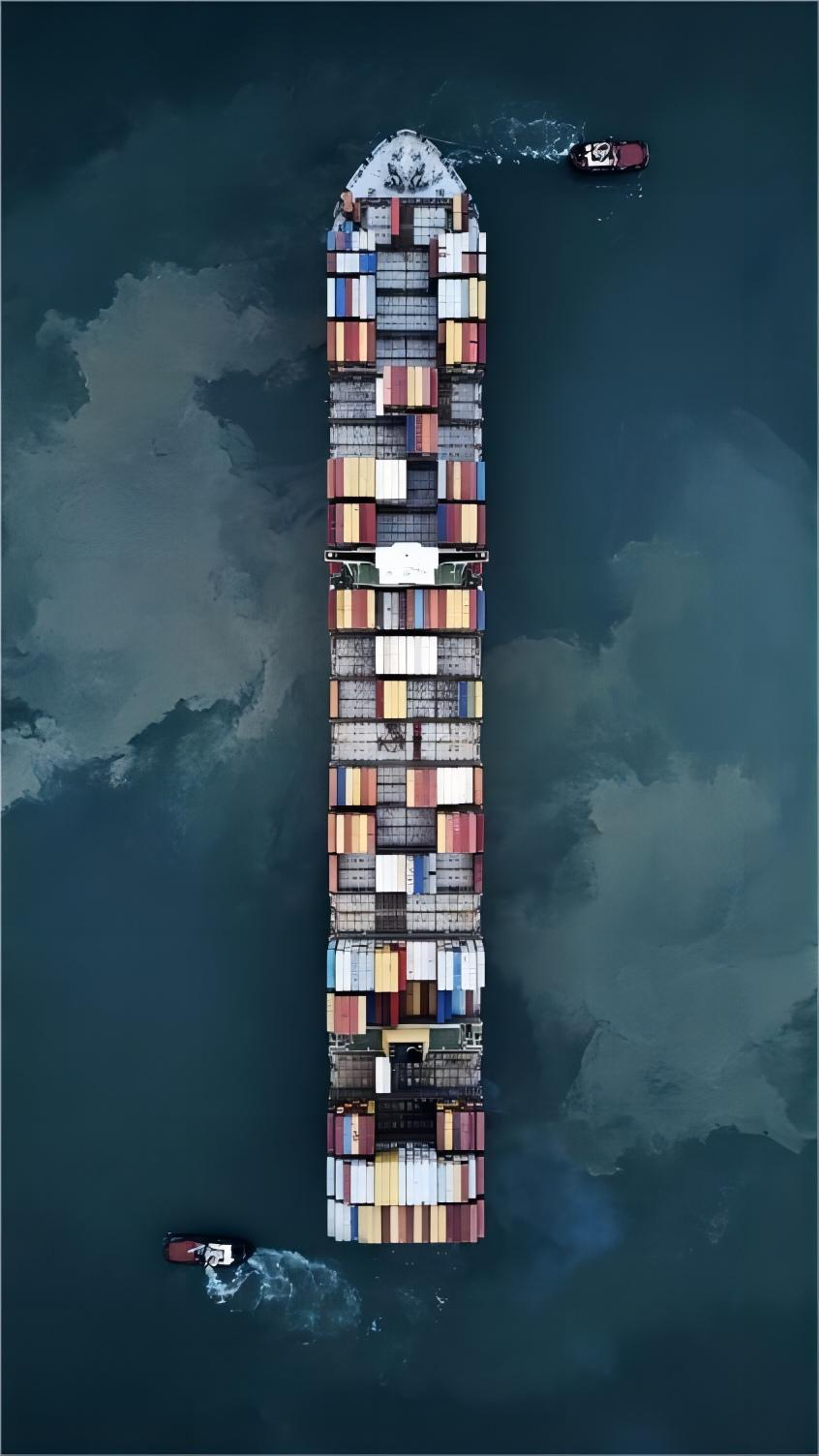
Selecting sea freight remains the most cost-effective strategy for large-volume shipments to Italy. While it offers the lowest price per unit, it requires the longest lead time in your supply chain. On the other hand, air freight provides unmatched speed for urgent restocks.
Additionally, rail freight has emerged as a middle-ground solution for those seeking a balance between cost and speed. For shipments under 15 CBM, LCL at 50-80 dollars per CBM may be more economical than a full container. Meanwhile, direct routes cost 10-15 percent more but save 5-7 days compared to transshipment via Singapore.
| Shipping Method | Cost Range (2026) | Transit Time | Best For |
|---|---|---|---|
| Sea Freight (FCL) | $3,000 – $4,200 | 30 – 40 Days | Bulk Inventory |
| Air Freight | $5.50 – $9.00/kg | 5 – 8 Days | High-Value Goods |
| Rail Freight | $1.50 – $2.50/kg | 18 – 24 Days | Mid-Size Batches |
| Express Service | $8.00 – $12.00/kg | 3 – 5 Days | Urgent Samples |
Why Should You Use Air Freight for Amazon FBA Shipping China to Italy?
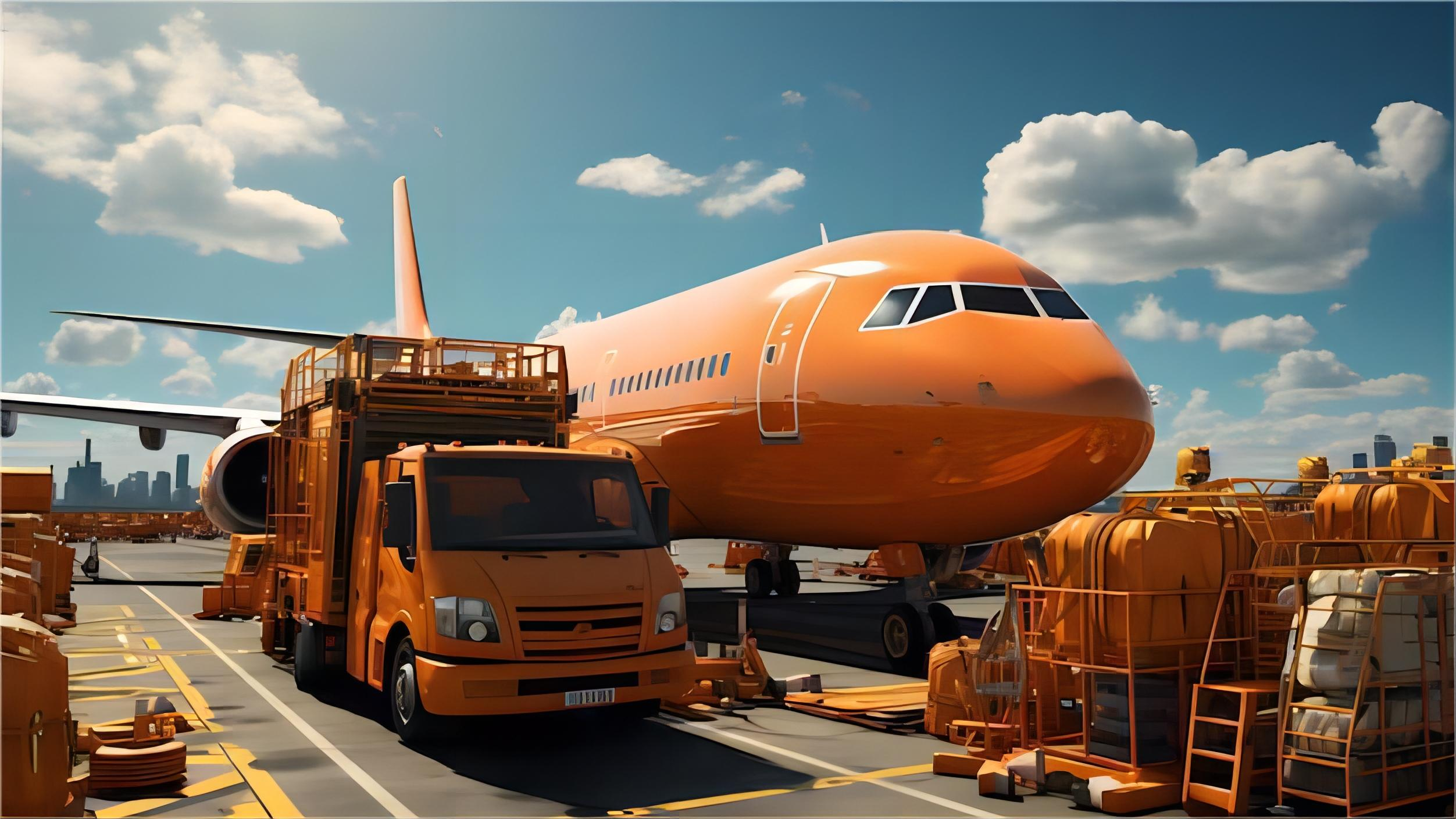
Utilizing air freight is essential when your inventory levels are low and you face potential stockouts. Although the costs are significantly higher than sea transport, the rapid transit time ensures your Amazon listings remain active. Furthermore, air transport reduces the risk of damage for fragile or high-value electronics.
Italy has several major airports, such as Milan Malpensa and Rome Fiumicino, that handle significant FBA volumes. Typically, shipments arrive at these hubs and undergo rapid customs clearance before final delivery. Indeed, this method is the preferred choice for seasonal product launches and time-sensitive promotions.
Specifically, most air cargo from China originates in hubs like Shanghai, Shenzhen, or Guangzhou. Using a direct flight can shave days off the schedule compared to deferred services. According to industry benchmarks, air freight remains the gold standard for reliability in the 2026 market.
Can Rail Freight Benefit Your Italian Supply Chain?
Implementing rail freight offers a unique advantage for sellers targeting the Italian market. This mode of transport utilizes the extensive Silk Road network, connecting Chinese manufacturing hubs directly to European rail terminals. Consequently, it provides a faster alternative to sea freight without the high price tag of air transport.
Rail transit times generally range from 18 to 24 days, depending on the specific departure point in China. Moreover, rail is often considered more environmentally friendly than air freight, aligning with modern consumer preferences in Italy. For instance, many sellers use rail for mid-sized shipments that are too large for air but too urgent for sea.
Nevertheless, rail capacity can fluctuate based on geopolitical factors and terminal congestion. It is therefore vital to work with a logistics provider that has established relationships with rail operators. This ensures your cargo receives priority handling and consistent scheduling throughout the year.
Which Option Should You Choose? (Decision Framework)
Choosing the right method depends on your specific business priorities and cargo characteristics. If budget is your primary concern and you have high volume, sea freight is the logical choice. In contrast, speed-oriented sellers should prioritize air or express services to maintain high sales velocity.
For cargo weighing between 100kg and 500kg, rail freight often provides the best value proposition. Additionally, consider hybrid solutions like sea-air combinations to optimize both cost and time. Without a doubt, a diversified shipping strategy is the best way to mitigate risks in 2026.
| Priority | Recommended Method | Volume Threshold | Key Benefit |
|---|---|---|---|
| Lowest Cost | Sea Freight (FCL) | Over 15 CBM | Maximum Profit |
| Fastest Delivery | Air Express | Under 100kg | Market Agility |
| Balanced Value | Rail Freight | 2 – 10 CBM | Reliable Lead Time |
| Small Batches | Sea Freight (LCL) | 1 – 5 CBM | Low Entry Cost |
How to Optimize Your Amazon FBA Shipping China to Italy Strategy?
Optimizing your Amazon FBA workflow involves more than just selecting a carrier. You must also ensure that your packaging and labeling meet Amazon’s strict European requirements. For example, using the correct FNSKU labels and pallet dimensions is critical for avoiding warehouse rejections.
Furthermore, consolidating multiple small orders into a single large shipment can significantly reduce your total landed cost. Many successful sellers use consolidation warehouses in China to group products from different suppliers. This approach simplifies the customs process and lowers the per-unit shipping fee.
Accordingly, you should also consider the timing of your shipments to avoid peak season surcharges. Rates typically increase 15-25 percent during the August-October period. Planning your inventory arrivals for July or early November can lead to substantial savings over the course of a year.
What are the Real-World Costs? (2026 Case Studies)
Case Study 1: Electronics from Shenzhen to Milan. Route: Shenzhen to Milan, Italy. Cargo: Consumer Electronics, 5 CBM, 1200 kg. Method: Sea Freight LCL via direct route. Ocean Freight: $450. Origin Charges: $150. Destination Charges: $250. Customs and Duties: $400. Total Landed Cost: $1,250. Sea Transit: 32 days. Total Door-to-Door: 42 days. Key Insight: Consolidating LCL saved 40 percent compared to air freight.
Case Study 2: Fashion Apparel from Shanghai to Rome. Route: Shanghai to Rome, Italy. Cargo: Clothing, 200 kg. Method: Air Freight. Air Freight Cost: $1,400. Origin Charges: $100. Destination Charges: $150. Customs and Duties: $350. Total Landed Cost: $2,000. Air Transit: 6 days. Total Door-to-Door: 10 days. Key Insight: Fast transit allowed the seller to capitalize on a viral social media trend.
Case Study 3: Home Goods from Ningbo to Naples. Route: Ningbo to Naples, Italy. Cargo: Kitchenware, 20GP Container. Method: Sea Freight FCL. Ocean Freight: $2,400. Origin Charges: $300. Destination Charges: $450. Customs and Duties: $900. Total Landed Cost: $4,050. Sea Transit: 35 days. Total Door-to-Door: 45 days. Key Insight: FCL provided the lowest per-unit cost for high-volume inventory.
How Does Customs Brokerage Impact Your Delivery Schedule?
Navigating customs brokerage is often the most challenging part of importing into Italy. The Italian customs agency requires precise documentation, including commercial invoices, packing lists, and certificates of origin. Therefore, any errors in your paperwork can lead to costly delays or even seizure of goods.
Moreover, understanding Value Added Tax (VAT) and EORI requirements is essential for all Amazon sellers in Europe. Most imports into Italy are subject to a standard VAT rate of 22 percent. Working with a professional broker ensures that you pay the correct duties and take advantage of any available tax deferral schemes.
Consequently, we recommend performing a thorough compliance check before your goods leave China. This includes verifying that your products meet all CE marking requirements and safety standards. Professional brokerage services can handle these details, allowing you to focus on growing your Amazon sales.
Mastering Your Amazon FBA Logistics
Successfully managing Amazon FBA shipping China to Italy requires a strategic approach to mode selection and cost management. By understanding the trade-offs between sea, air, and rail freight, you can build a resilient supply chain that supports your business goals. Furthermore, staying informed about 2026 market trends and customs regulations will give you a competitive edge in the Italian marketplace.
Ultimately, the key to success lies in partnering with an experienced freight forwarder who understands the nuances of the China-Italy route. Whether you are shipping small parcels or full containers, professional logistics support ensures your products reach Amazon fulfillment centers efficiently. Start optimizing your shipping strategy today to maximize your profits and enhance your customer experience.
Ready to streamline your Amazon FBA shipping China to Italy? Contact our logistics experts today for a customized quote and expert guidance on your next shipment. Visit our website to learn more about our comprehensive shipping solutions tailored for Italian Amazon sellers. Visit: https://ailogisticschina.com/contact/
Request Quote