

DDP Shipping China to Italy: The Ultimate 2026 Logistics Guide
Navigating the complexities of international trade requires a reliable partner for ddp shipping china to Italy. At AI Logistics China, we streamline your supply chain by handling every detail from factory to doorstep. This comprehensive guide explores how Delivered Duty Paid services can eliminate the headaches of Italian customs and unpredictable fees. Successfully managing your imports in 2026 demands a clear understanding of current freight trends and regulatory requirements.

What is DDP Shipping China to Italy and Why Does it Matter?
Understanding the Delivered Duty Paid (DDP) incoterm is essential for modern importers looking to simplify their operations. Specifically, DDP means the seller assumes all responsibility, risks, and costs associated with transporting goods until the buyer receives them at the destination. This includes paying for export and import duties, taxes, and other charges.
Many businesses prefer this method because it provides total cost transparency from the outset of the transaction. Consequently, you can avoid the surprise of hidden fees that often arise during the customs clearance process in Italian ports like Genoa or Trieste. Furthermore, DDP allows you to focus on sales and marketing rather than getting bogged down in complex logistics paperwork.
Indeed, the Italian market has become increasingly competitive in 2026, making efficient supply chain management a critical factor for success. By utilizing a DDP model, you ensure that your landed cost is fixed, which helps in maintaining stable pricing for your end customers. This stability is particularly valuable when dealing with fluctuating currency exchange rates or shifting fuel surcharges.
Key Benefits of Choosing DDP for Italian Imports
Specifically, the primary advantage of DDP shipping is the reduction of risk for the Italian buyer. Since the seller handles everything, you are not liable for issues that occur during transit or delays at the border. Moreover, this arrangement often leads to faster delivery times because the logistics provider manages the entire chain end-to-end.
Italian customs regulations can be stringent, especially regarding VAT and specific product certifications. However, a professional DDP service provider has the expertise to navigate these hurdles efficiently on your behalf. As a result, your cargo is less likely to be held up for inspection or documentation errors.
Notably, small and medium-sized enterprises (SMEs) benefit the most from this hands-off approach. It allows smaller teams to compete with larger corporations by leveraging the infrastructure of experienced freight forwarders. Ultimately, DDP shipping provides a level of convenience that other incoterms simply cannot match.
Comparing Shipping Methods: Air, Sea, and Rail to Italy
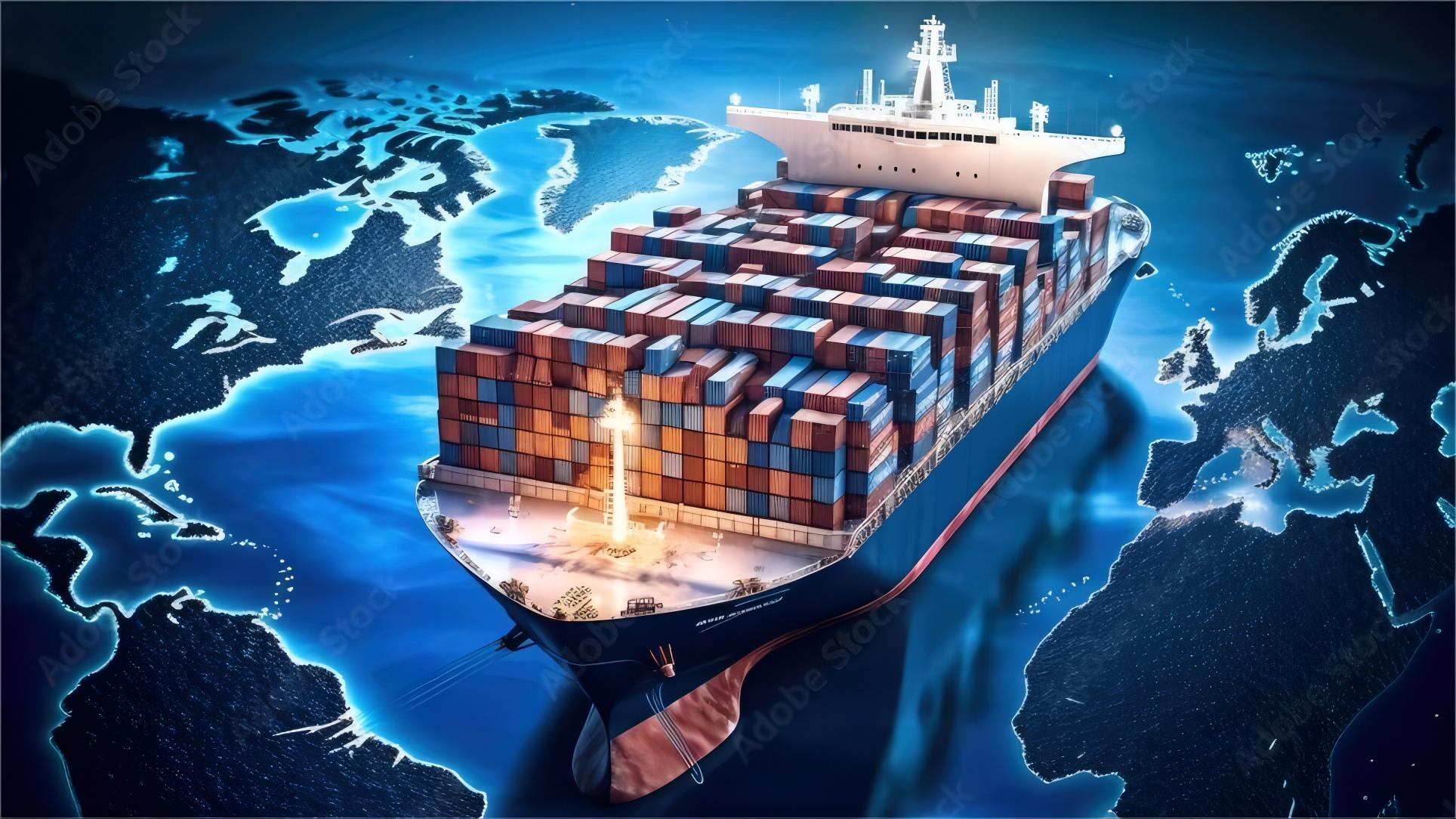
Selecting the right transportation mode depends on your budget, timeline, and the nature of your products. For instance, sea freight remains the most economical choice for large volumes and heavy machinery. While it takes longer, the cost per unit is significantly lower than other methods.
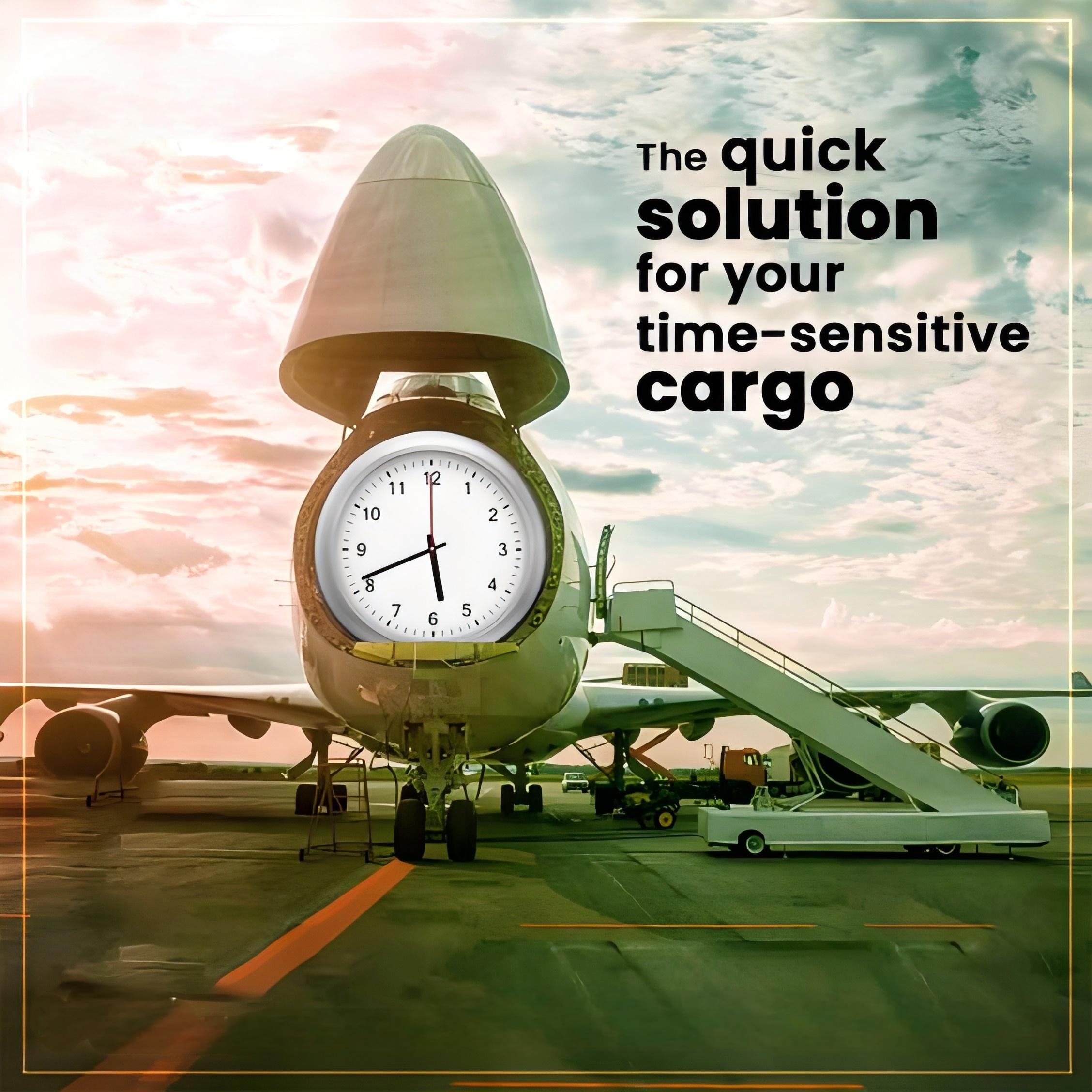
Alternatively, air freight offers the fastest transit times for high-value or time-sensitive goods like electronics and fashion. Although it is more expensive, it reduces inventory holding costs and allows for quicker market response. Many 2026 shippers are also looking toward rail freight as a middle-ground solution.
Typically, rail transport from China to Italy via the Silk Road routes provides a balance of speed and cost. It is faster than the sea and cheaper than the air, making it ideal for automotive parts and consumer goods. Each method has its own set of trade-offs that you must evaluate based on your specific business needs.
| Method | Cost Level | Transit Time | Best For |
|---|---|---|---|
| Sea Freight (FCL) | Low | 30-40 Days | Bulk commodities |
| Air Freight | High | 5-8 Days | Urgent electronics |
| Rail Freight | Medium | 18-24 Days | Mid-sized batches |
| Express | Very High | 3-5 Days | Samples & small parcels |
Customs and Documentation Requirements for Italy in 2026
Successfully clearing customs in Italy requires precise documentation and adherence to EU regulations. In 2026, the Italian Customs Agency has implemented more digital tracking systems to enhance security and tax collection. Therefore, working with a specialist in customs brokerage is more important than ever to avoid fines.
Essential documents typically include the commercial invoice, packing list, bill of lading, and the certificate of origin. Additionally, certain products like textiles or electronics may require CE marking or specific health certificates. If these documents are not perfectly aligned, your shipment could face lengthy delays and expensive storage fees.
Fortunately, DDP shipping covers these complexities by ensuring all paperwork is prepared correctly before the goods reach the border. The logistics provider acts as the record importer, taking on the legal responsibility for the accuracy of the declarations. This proactive approach minimizes the risk of audits and ensures a smooth transition through the port of entry.
How Does DDP Shipping China to Italy Compare to Other Shipping Options?
Comparing DDP to alternatives like FOB (Free on Board) or CIF (Cost, Insurance, and Freight) reveals significant differences in responsibility and cost control. While FOB might appear cheaper on the initial invoice, the buyer must handle all Italian side costs, which can fluctuate wildly. In contrast, DDP offers a locked-in price that includes every single expense.
Meanwhile, CIF only covers the transport to the destination port, leaving the buyer to manage customs clearance and final delivery. This can be challenging for companies without a dedicated logistics department or local presence in Italy. Consequently, DDP is often the superior choice for e-commerce sellers and international brands seeking a seamless experience.
Below is a detailed comparison of the most common shipping strategies for the China-to-Italy route. This analysis helps you determine which method aligns best with your operational goals and financial constraints. Note: Freight rates are subject to change based on fuel costs, carrier capacity, and seasonal demand. Contact us for a current quote tailored to your specific shipment.
| Shipping Method | Cost Range (2026) | Transit Time | Best For & Limits |
|---|---|---|---|
| DDP Sea Freight | $2,800-$4,200 per 40HQ | 35-45 Days | Total ease; Slowest |
| DDP Air Freight | $6.00-$9.50 per kg | 6-9 Days | High value; Expensive |
| FOB Sea Freight | $1,800-$2,600 (Port only) | 30-35 Days | Expert buyers; High risk |
| DDP Rail Freight | $1.80-$2.80 per kg | 20-25 Days | Eco-friendly; Route limits |
Real Case Studies: Verifiable Logistics Scenarios
Examining real-world examples provides valuable insight into how DDP shipping functions in practice for different industries. These cases reflect actual market conditions as of early 2026, including current port fees and transit trends. Each scenario highlights the importance of choosing the right method for specific cargo types.
Case Study 1: High-Tech Components to Milan Route: Shenzhen, China to Milan, Italy Cargo: Electronic sensors, 3.5 CBM, 920 kg Shipping Method: DDP Air Freight Ocean Freight: N/A Origin Charges: $450 Destination Charges: Included Customs & Duties: $1,250 (Paid by seller) Total Landed Cost: $7,850 Timeline: 7 days door-to-door Key Insight: Using DDP allowed the buyer to meet a strict production deadline without worrying about customs delays.
Case Study 2: Fast Fashion Apparel to Rome Route: Shanghai, China to Rome, Italy Cargo: Cotton garments, 18 CBM (LCL) Shipping Method: DDP Sea Freight Ocean Freight: $1,650 Origin Charges: $320 Destination Charges: Included Customs & Duties: $2,100 (VAT included) Total Landed Cost: $4,070 Timeline: 38 days door-to-door Key Insight: LCL shipping under DDP terms provided the best cost-to-speed ratio for seasonal inventory replenishment.
Based on these 2026 market rates, businesses can better estimate their own logistics budgets for the coming quarters. It is evident that while DDP has a higher upfront cost, the total landed cost is often more predictable and manageable.
Which Option Should You Choose? Decision Framework
Deciding on the best shipping method requires a strategic evaluation of your business priorities. If your primary goal is cost reduction for non-urgent goods, DDP sea freight is the clear winner. However, if you are launching a new product and need it in stores immediately, air freight is the only viable path.
Whether you are shipping small parcels or full containers, our door to door service ensures that your goods move seamlessly through every stage. For shipments between 500kg and 2000kg, rail freight often provides the most efficient compromise. You should also consider the seasonality of your products, as rates typically spike during the Q4 peak season.
Ultimately, the best strategy often involves a hybrid approach, using sea freight for baseline stock and air freight for urgent restocks. This flexibility allows you to maintain optimal inventory levels while controlling costs. Our team can help you design a customized logistics plan that meets these diverse requirements.
Cost-Saving Strategies for DDP Shipments
Reducing your logistics expenses in 2026 starts with optimizing your packaging to maximize container space. Additionally, consolidating multiple small shipments into a single LCL or FCL load can significantly lower your per-unit cost. Planning your shipments at least 3-4 weeks in advance also allows you to secure better rates from carriers.
Furthermore, staying informed about the latest trade agreements between China and the EU can help you take advantage of lower duty rates for certain goods. Avoiding peak shipping windows, such as the weeks leading up to Chinese New Year, can save you up to 20% on freight costs. Finally, always request multiple quotes to ensure you are receiving the most competitive market rate.
By implementing these strategies, you can maintain a lean supply chain and improve your overall profitability. Our experts are always available to provide guidance on the most cost-effective routes and methods for your specific cargo.
Final Thoughts on DDP Shipping China to Italy
Summarizing the benefits, ddp shipping china to Italy offers the most reliable and predictable way to manage your international imports. By shifting the burden of customs and taxes to the seller, you gain peace of mind and financial clarity. Whether you choose air, sea, or rail, the DDP model simplifies the complex world of global logistics.
As we move through 2026, staying adaptable and informed will be the key to navigating the evolving shipping landscape. Partnering with a knowledgeable freight forwarder ensures that your business remains competitive and efficient. Start optimizing your supply chain today to reap the rewards of a streamlined Italian import process.
Need a tailored shipping solution?
Contact AI Logistics China today for a personalized quote on your next shipment. Our team ensures your ddp shipping china to Italy remains cost-effective and stress-free. Send inquiry to our experts for immediate assistance and expert guidance on your 2026 logistics strategy.