
FCL LCL Shipping China to Netherlands: 2026 Logistics Guide
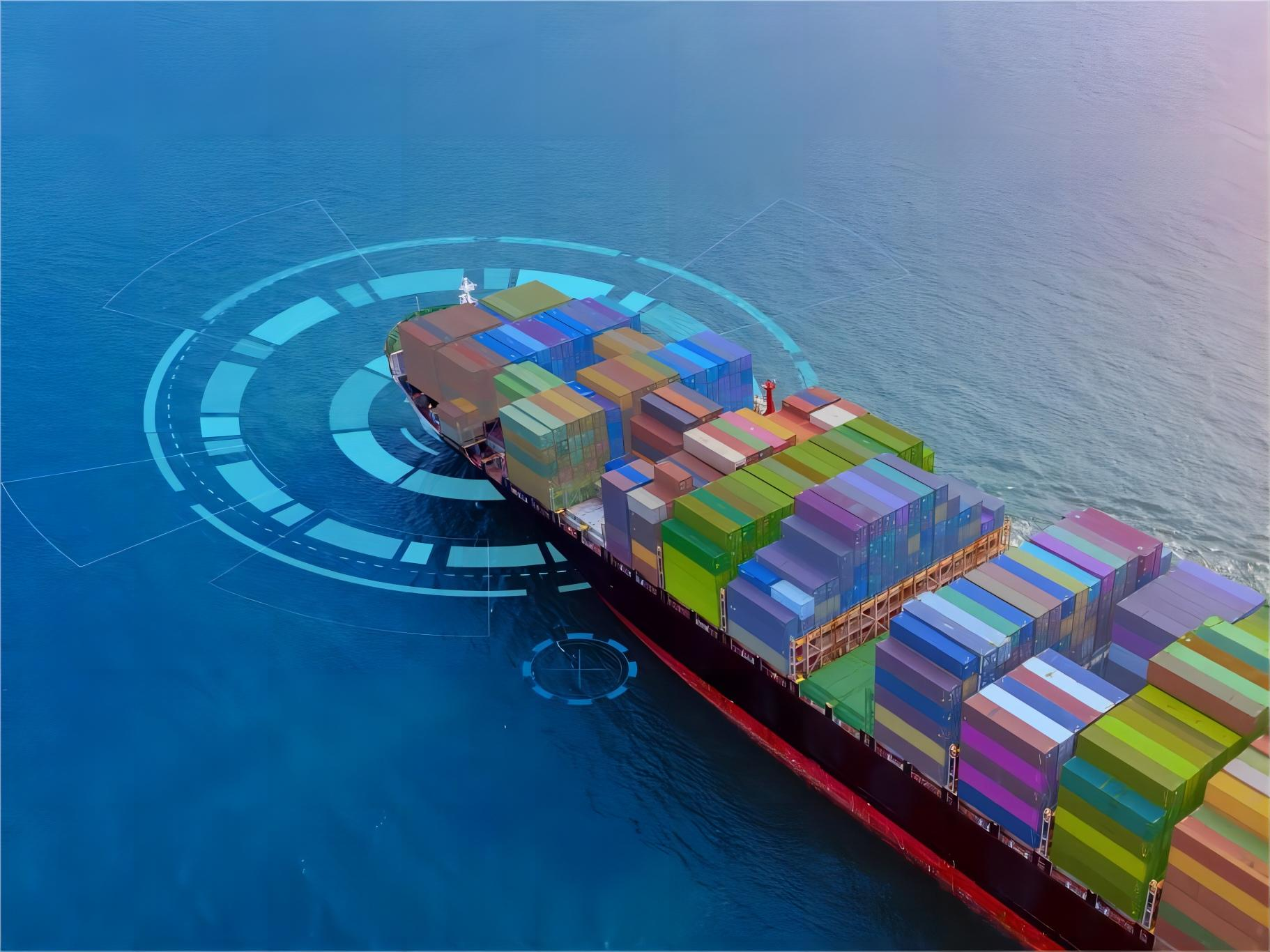
Navigating the complexities of international trade requires a strategic approach to logistics and supply chain management. If your business is looking for fcl lcl shipping china to Netherlands, understanding the current market dynamics of 2026 is essential for maintaining profitability. This comprehensive guide explores the nuances of ocean freight, providing you with the data needed to make informed shipping decisions. By optimizing your transport methods, you can ensure that your goods arrive safely at the Port of Rotterdam or other Dutch destinations without unnecessary delays.
✦
Understanding FCL vs LCL Shipping China to Netherlands
Choosing between Full Container Load (FCL) and Less than Container Load (LCL) represents the most significant decision for importers. FCL involves the exclusive use of a 20-foot or 40-foot container, which provides maximum security and faster handling for large volumes. Conversely, LCL allows multiple shippers to share space within a single container, making it a cost-effective choice for smaller consignments. Therefore, businesses must evaluate their total cargo volume in cubic meters before selecting a method.
Moreover, FCL generally offers a more streamlined transit process because the container remains sealed from the origin to the destination. This reduces the risk of damage during the consolidation and deconsolidation phases that characterize LCL shipments. However, LCL provides the flexibility to ship smaller batches more frequently, which can be beneficial for maintaining lean inventory levels. Consequently, your choice should align with your specific inventory needs and budget constraints.
Additionally, the administrative requirements for both methods differ slightly in terms of documentation and handling fees. While FCL has a flat fee per container, LCL costs are calculated based on the volume of the goods. Shippers often find that FCL becomes more economical once the cargo exceeds 15 cubic meters. Indeed, selecting the right mode is a balance between speed, cost, and safety.
Current Market Trends for China to Netherlands Freight in 2026
Market conditions in early 2026 have stabilized significantly following the logistical shifts of previous years. Ocean freight rates from major Chinese ports like Shanghai and Ningbo to Rotterdam have returned to more predictable levels. Furthermore, carriers have introduced new sustainable shipping options to comply with updated EU environmental regulations. These green initiatives are increasingly important for Dutch companies focused on corporate social responsibility.
Meanwhile, digital logistics platforms have become the standard for tracking and managing shipments in real-time. Shippers can now access precise data regarding vessel locations and estimated times of arrival with greater accuracy than ever before. Nevertheless, seasonal fluctuations still impact pricing, especially during the peak months leading up to the holiday season. Planning your shipments at least six to eight weeks in advance remains a best practice for securing competitive rates.
In addition, port efficiency in the Netherlands has improved through the implementation of automated terminal operations. Rotterdam continues to be the primary gateway for European trade, offering extensive hinterland connections via rail and barge. Shippers should stay informed about potential labor negotiations or infrastructure projects that could affect port throughput. Staying proactive is the best way to mitigate risks in the ever-evolving global supply chain.
How Much Does FCL LCL Shipping China to Netherlands Cost?
Freight pricing is influenced by several factors including fuel surcharges, seasonal demand, and container availability. For 2026, the average cost for a 40HQ container from China to the Netherlands ranges between $3,500 and $4,800. In contrast, LCL shipments are priced per cubic meter, typically ranging from $65 to $95 depending on the origin port. It is highly recommended to consider sea freight for bulk commodities to maximize your shipping budget.
Furthermore, origin and destination charges must be factored into the total landed cost of your goods. These include terminal handling charges, documentation fees, and customs clearance costs at both ends of the journey. Shippers should also be aware of the impact of currency fluctuations on freight invoices. Accordingly, requesting a detailed quote that breaks down all surcharges is vital for accurate budgeting.
Note: Freight rates are subject to change based on fuel costs, carrier capacity, and seasonal demand. Contact us for a current quote tailored to your specific shipment.
| Container Type | Average Cost (USD) | Volume Capacity | Best For |
|---|---|---|---|
| 20GP Container | $2,200 – $2,900 | 33 CBM | Heavy machinery |
| 40GP Container | $3,200 – $4,200 | 67 CBM | General consumer goods |
| 40HQ Container | $3,500 – $4,800 | 76 CBM | Voluminous cargo |
| LCL (per CBM) | $65 – $95 | 1 – 15 CBM | Small business orders |
Transit Times: How Long Does Shipping Take?
Timeframes for ocean transit are largely determined by the specific route and the number of port calls made by the vessel. A direct service from Shanghai to Rotterdam usually takes between 30 and 35 days under normal conditions. However, transshipment routes via hubs like Singapore or Colombo can extend the journey to 45 days or more. Therefore, verifying the vessel schedule before booking is crucial for meeting your delivery deadlines.
Additionally, the time required for customs clearance and inland transport must be included in your total timeline. While the sea voyage is the longest part, delays at the port can add several days to the process. Utilizing a professional customs brokerage service can help expedite the release of your goods upon arrival. Consequently, most door-to-door shipments take approximately 40 to 50 days in total.
Moreover, weather conditions and seasonal congestion can occasionally disrupt even the most reliable schedules. During the winter months, North Sea storms may cause minor delays in vessel arrivals at Dutch ports. Shippers are advised to build a buffer of at least one week into their supply chain planning. Indeed, consistent communication with your freight forwarder is the key to managing expectations.
How Does Sea Freight Compare to Other Shipping Options?
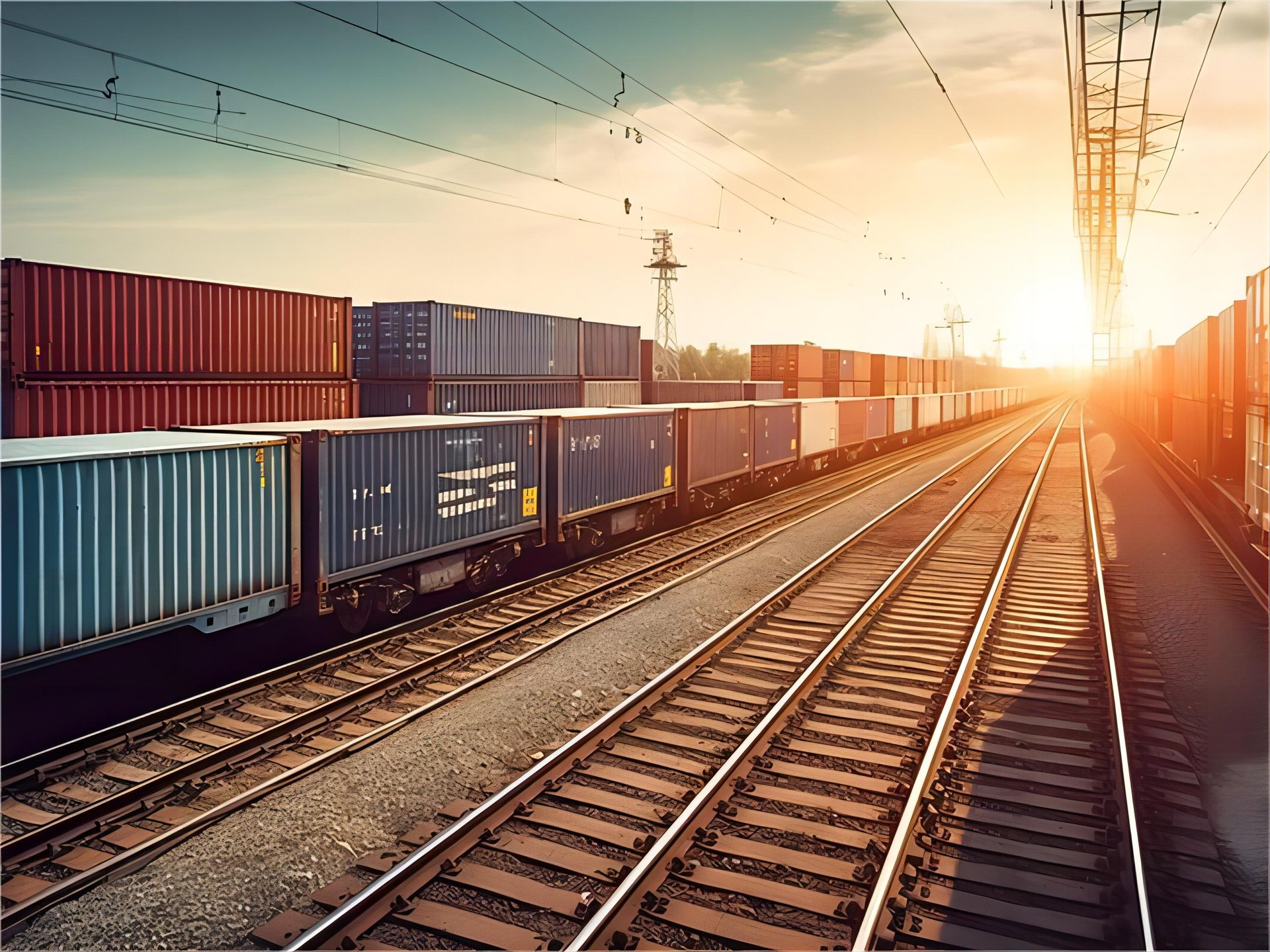
While sea freight is the most common method for this route, other transport modes offer different advantages. For example, rail freight via the New Silk Road provides a faster alternative to the ocean, usually arriving in 18 to 22 days. This is an excellent middle ground for shippers who need more speed than sea freight but cannot afford air transport. On the other hand, air freight remains the premium choice for urgent or high-value items.
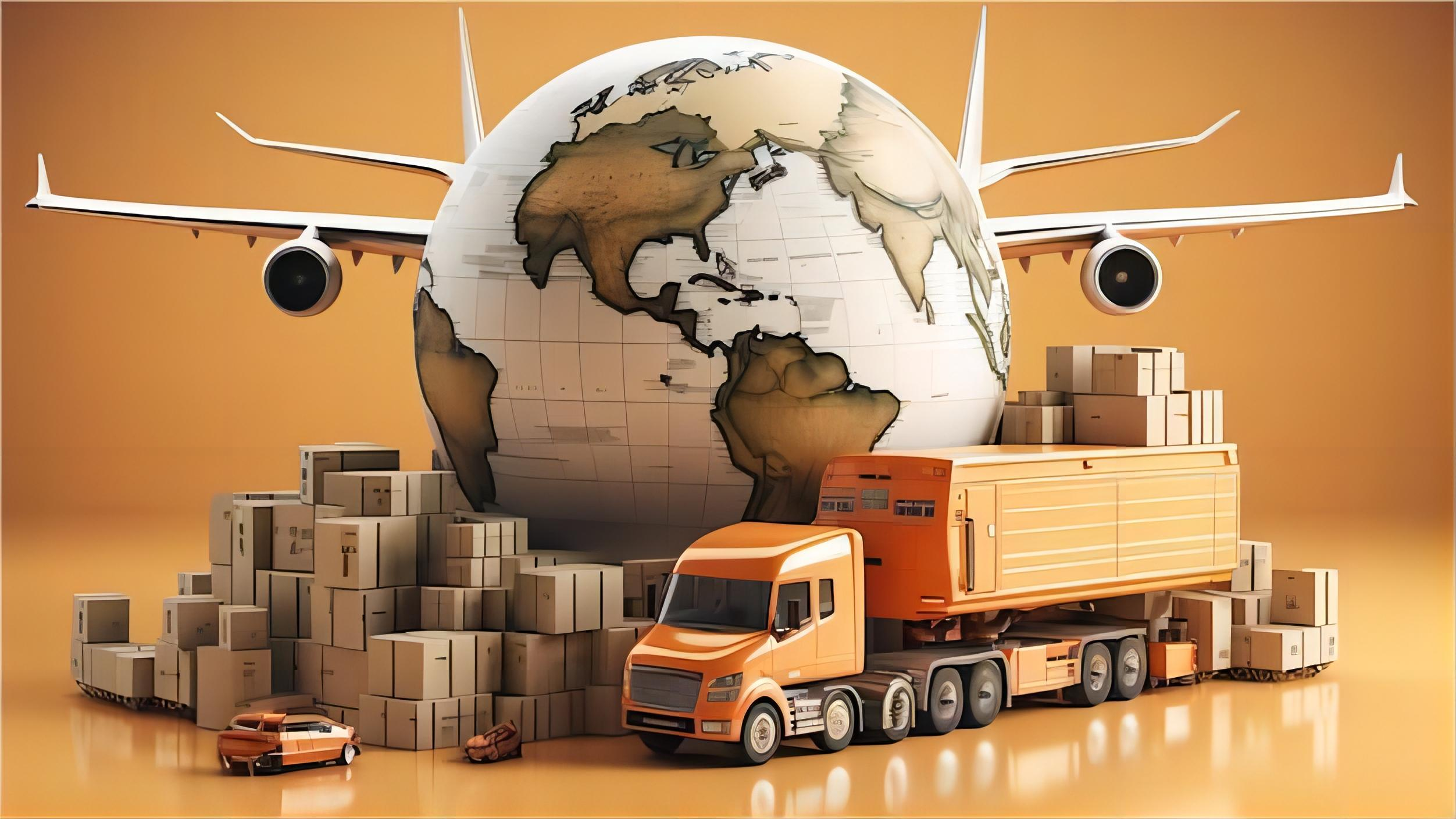
Furthermore, hybrid solutions such as sea-air combinations are becoming more popular for balancing cost and speed. These services involve shipping goods by sea to a hub like Dubai and then flying them to Europe. This strategy can save up to 40% in costs compared to pure air freight while being twice as fast as sea freight. Shippers should evaluate each option based on the urgency and value of their specific cargo.
In addition, the environmental impact of each method is a growing consideration for modern businesses. Sea freight has the lowest carbon footprint per ton-kilometer, making it the most sustainable choice for large volumes. Rail freight also offers a relatively low-emission profile compared to air transport. Choosing the right mode involves weighing these environmental factors against your logistical requirements.
| Shipping Method | Cost Range | Transit Time | Best For |
|---|---|---|---|
| Sea Freight (FCL) | Low | 30 – 40 Days | Bulk goods |
| Rail Freight | Medium | 18 – 22 Days | Electronics |
| Air Freight | High | 5 – 8 Days | Urgent samples |
| Sea-Air Hybrid | Moderate | 15 – 20 Days | Fashion items |
Which Option Should You Choose? Decision Framework
Determining the best shipping strategy depends on your specific business priorities and the nature of your products. If your primary goal is cost minimization and you have large volumes, FCL sea freight is almost always the superior choice. However, if you are shipping less than 15 cubic meters, LCL offers a more economical entry point. Shippers must also consider the sensitivity of their cargo to handling and environmental factors.
Moreover, the urgency of the shipment often dictates the final decision. For products with a short shelf life or high market demand, rail or air options may justify the higher expenditure. On the other hand, for stable inventory items, the long lead times of sea freight are manageable with proper planning. Businesses should use a total landed cost analysis to compare the true expense of each shipping method.
Finally, the level of service required can influence your choice of logistics provider. Opting for door to door services can simplify the process by handling all intermediate steps. This comprehensive approach is particularly beneficial for companies without a dedicated logistics department. To summarize, the right choice is one that balances budget, speed, and operational convenience.
Real-World Case Studies for 2026
Case Study 1: High-Volume Electronics Import. A Dutch retailer imported 1500 units of smart home devices from Shenzhen to Rotterdam. They utilized 40HQ FCL shipping to ensure maximum security and cost efficiency. The total ocean freight cost was $3,950 with a transit time of 32 days. By choosing direct sea freight, the company maintained its profit margins while ensuring the product was ready for the spring launch.
Case Study 2: Small Business Furniture Shipment. A boutique design firm in Amsterdam ordered custom office furniture from a manufacturer in Ningbo. Because the total volume was only 6 CBM, they opted for LCL shipping. The total cost, including destination charges and delivery, was $840. Although the transit time was 44 days due to consolidation, the firm saved over $2,000 compared to booking a full container.
Case Study 3: Urgent Industrial Components. A manufacturing plant in Eindhoven required replacement parts from Qingdao to avoid a production shutdown. They chose a rail freight solution to balance speed and cost. The cargo arrived in 20 days at a cost of $1,200 for 2 CBM. This alternative strategy allowed the plant to resume operations much faster than sea freight would have permitted.
Final Thoughts on Shipping from China to the Netherlands
Successfully managing fcl lcl shipping china to Netherlands requires a combination of market knowledge, careful planning, and reliable partnerships. As we move through 2026, the logistics landscape continues to offer diverse options for businesses of all sizes. By understanding the differences between FCL and LCL, you can optimize your shipping costs and transit times effectively.
Furthermore, staying informed about market trends and documentation requirements will help you avoid common pitfalls in international trade. Whether you prioritize the speed of rail or the economy of sea freight, the key is to align your logistics strategy with your broader business objectives. With the right approach, your China-to-Netherlands trade route can become a significant competitive advantage.
Ready to streamline your supply chain with expert fcl lcl shipping china to Netherlands services? Contact our team today for a customized quote and reliable logistics support. Visit https://ailogisticschina.com/ to learn more.
Request Quote