

Container Shipping China to Australia: 2026 Guide to Freight
Navigating the complexities of container shipping China to Australia requires a deep understanding of modern logistics trends and regional trade agreements. Businesses looking to streamline their supply chain must partner with a reliable provider like AI Logistics China to ensure timely deliveries. This comprehensive guide explores the essential factors influencing freight rates and transit times in the 2026 market landscape.
What Are the Primary Methods for Container Shipping China to Australia?
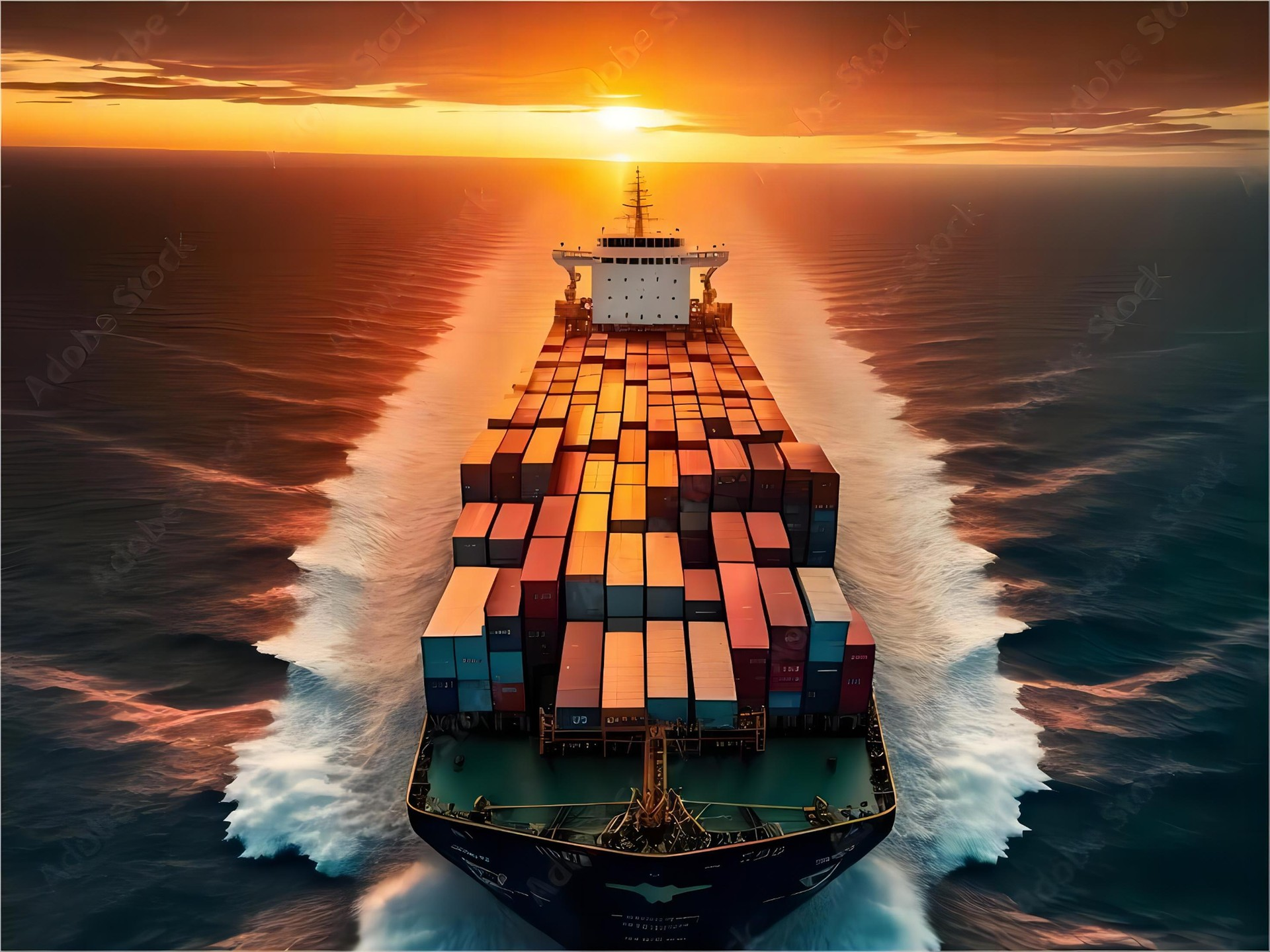
Choosing the right method for container shipping China to Australia depends heavily on your specific volume and budget requirements. Most importers select between Full Container Load (FCL) and Less than Container Load (LCL) based on their cargo size.
Consequently, FCL remains the preferred choice for large shipments that can fill an entire 20ft or 40ft container. Utilizing sea freight for FCL shipments offers the best security and price per unit.
Furthermore, LCL provides a cost-effective alternative for smaller businesses that do not have enough goods to fill a whole unit. This method involves sharing container space with other shippers, which helps reduce overall shipping costs for smaller volumes.
Moreover, the 2026 market shows a significant trend toward hybrid logistics solutions that combine efficiency with affordability. Understanding these options is the first step in optimizing your international trade operations.
How Does Sea Freight Compare to Other Shipping Options?
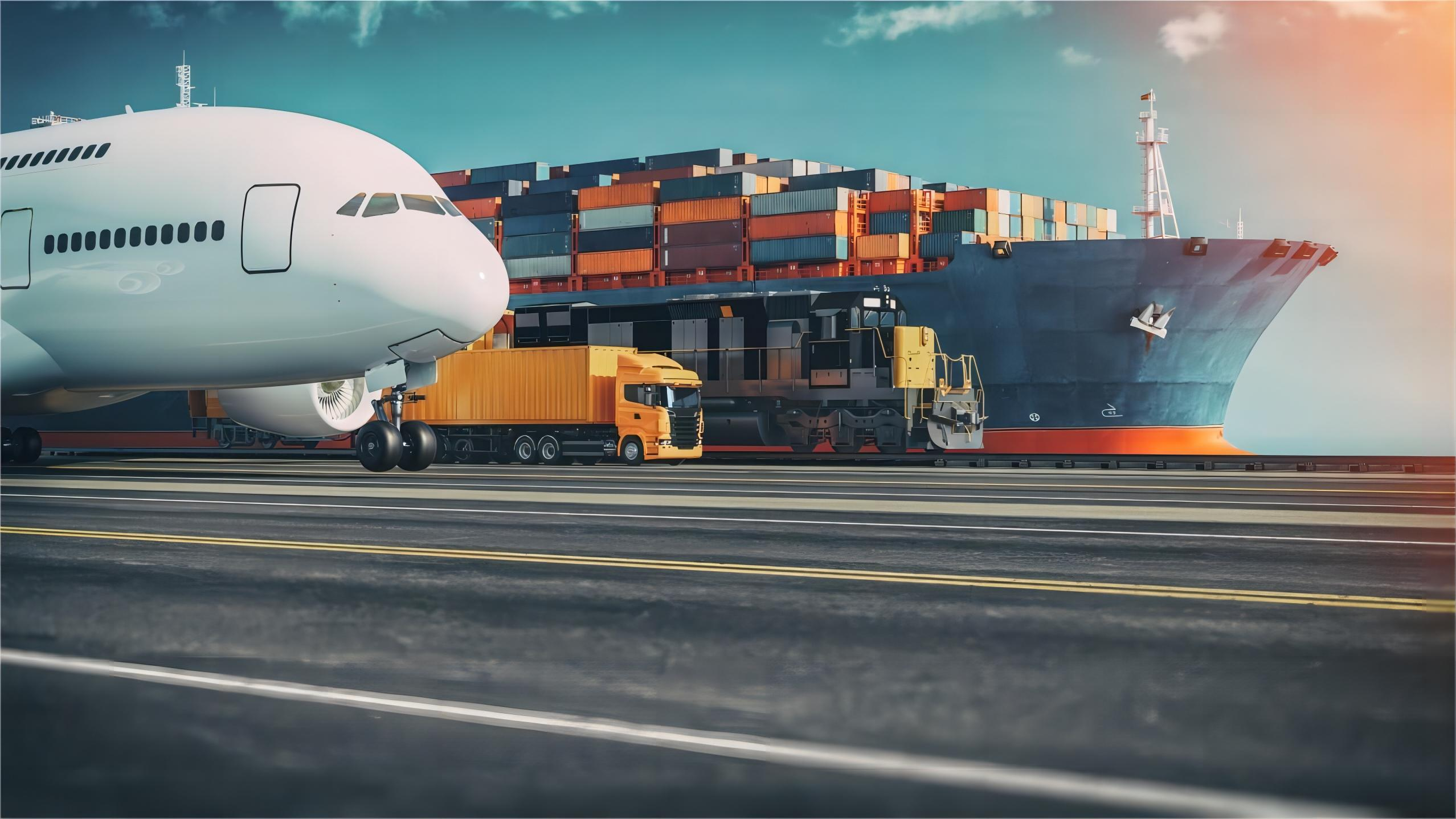
Evaluating the efficiency of container shipping China to Australia requires comparing it against faster but more expensive alternatives. While ocean freight is the backbone of global trade, air and express services serve specific urgent needs.
Additionally, businesses must recognize that rail freight is not a viable option for this specific route due to geographical constraints. Therefore, the choice typically remains between sea and air transport.
Meanwhile, market data suggests that sea freight costs roughly 80 percent less than air freight for the same weight. However, the trade-off is a much longer delivery schedule that requires careful planning.
Notably, direct sea routes from major Chinese ports to Australia have become more frequent in early 2026. This increase in capacity has helped stabilize freight rates across the Pacific region.
| Shipping Method | Cost Range | Transit Time | Best For |
|---|---|---|---|
| Sea Freight (FCL) | $1,200 – $2,200 | 12 – 18 Days | Bulk Goods |
| Sea Freight (LCL) | $60 – $120/CBM | 18 – 25 Days | Small Cargo |
| Air Freight | $4.50 – $8.00/kg | 3 – 7 Days | High Value |
| Express Service | $8.00 – $15.00/kg | 2 – 4 Days | Urgent Samples |
Which Option Should You Choose?
Determining the best strategy for container shipping China to Australia involves analyzing your budget, speed priority, and cargo type. If your priority is keeping costs low for large inventories, sea freight is undoubtedly the superior choice.
Specifically, for shipments exceeding 15 cubic meters, FCL is almost always more economical than LCL. Conversely, for shipments under 5 cubic meters, LCL offers a flexible way to manage inventory without paying for empty space.
Using air freight should be reserved for high-margin electronics or urgent medical supplies that cannot wait for sea transit. Most successful importers maintain a balanced mix of both methods to handle different supply chain demands.
Ultimately, the decision should align with your seasonal demand cycles and storage capacity at the destination. Planning for peak seasons in late Q3 can prevent unexpected delays and price hikes.
Understanding Container Shipping China to Australia Costs in 2026
Analyzing current market rates reveals that container shipping China to Australia remains one of the most competitive routes in the southern hemisphere. As of early 2026, freight rates have remained relatively stable compared to the volatility of previous years.
Moreover, factors such as fuel surcharges and port handling fees continue to influence the final landed cost. It is essential to work with a provider experienced in customs brokerage to avoid hidden penalties.
Additionally, the port of origin in China significantly impacts the total price. Shipping from southern ports like Shenzhen is often slightly cheaper than northern ports due to shorter sailing distances.
Note: Freight rates are subject to change based on fuel costs, carrier capacity, and seasonal demand. Contact us for a current quote tailored to your specific shipment.
| Route (China to AU) | 20GP Container | 40HQ Container | Avg Transit |
|---|---|---|---|
| Shenzhen to Sydney | $950 – $1,300 | 1,600 – $2,100 | 13 Days |
| Shanghai to Melbourne | $1,050 – $1,400 | $1,750 – $2,300 | 15 Days |
| Ningbo to Brisbane | $1,100 – $1,450 | $1,850 – $2,400 | 16 Days |
| Qingdao to Perth | $1,200 – $1,600 | $2,000 – $2,700 | 18 Days |
Essential Customs Documentation for Australian Imports
Managing the paperwork for container shipping China to Australia is a critical step that can determine the success of your shipment. Australian Border Force maintains strict regulations regarding biosecurity and product standards.
Specifically, you must provide a Commercial Invoice, Packing List, and a Bill of Lading for every container. Failure to present accurate documentation can lead to expensive storage fees at the terminal.
Furthermore, certain products may require specialized permits or certificates of origin to qualify for tariff reductions. Professional logistics partners often manage this process to ensure a smooth transition through the port.
Accurate classification of goods using the correct HS codes is also mandatory for calculating duties. This precision helps in maintaining a transparent and efficient supply chain.
Major Ports and Transit Times for Australian Imports
Identifying the most efficient ports in both countries can significantly reduce the transit time for container shipping China to Australia. China’s massive port infrastructure, including Shanghai and Ningbo-Zhoushan, offers daily departures to major Australian cities.
Similarly, Australia’s primary gateways like Sydney, Melbourne, and Brisbane are equipped with advanced cargo handling technology. These facilities ensure that containers move quickly from the vessel to the inland transport network.
Historically, the transit time from Shenzhen to Sydney is the fastest, often taking as little as 12 days. In contrast, routes to Perth or Adelaide may involve transshipment in Singapore, adding several days to the schedule.
Effective management of these timelines allows businesses to keep their inventory levels lean. Many e-commerce sellers now utilize Amazon FBA services to handle the final mile delivery within Australia.
Strategic Logistics and Supply Chain Optimization
Optimizing your strategy for container shipping China to Australia involves more than just finding the lowest price. It requires a holistic view of the entire journey, from the factory floor to the customer’s doorstep.
Reliable door to door services have become increasingly popular for businesses that want to minimize their involvement in daily logistics. This model provides a single point of contact and simplified billing.
Additionally, implementing real-time tracking allows importers to respond quickly to any potential delays. Modern logistics trends emphasize transparency and data-driven decision-making for all maritime operations.
Successful companies also prioritize sustainable shipping practices, such as choosing carriers with newer, more fuel-efficient vessels. This approach not only helps the environment but can also reduce long-term costs.
Real-World Case Studies for Australian Freight
Case Study 1: Electronics Distribution to Sydney
———————————————————
Route: Shenzhen, China to Sydney, Australia
Cargo: Consumer electronics, 28 CBM, 12000 kg
Container: 20GP
Shipping Details:
– Carrier: Major carrier
– Port of Loading: Shenzhen
– Port of Discharge: Sydney
– Route Type: Direct
Cost Breakdown:
– Ocean Freight: $1,100
– Origin Charges: $350
– Destination Charges: $450
– Customs and Duties: $1,200
– Total Landed Cost: $3,100
Timeline:
– Booking to Loading: 4 days
– Sea Transit: 14 days
– Customs Clearance: 2 days
– Total Door-to-Door: 20 days
Key Insight: Direct routing minimized handling risks for fragile electronics during early 2026.
———————————————————
Case Study 2: Home Furniture LCL Shipment
———————————————————
Route: Ningbo, China to Melbourne, Australia
Cargo: Flat-pack furniture, 8 CBM, 3500 kg
Container: LCL (Less than Container Load)
Shipping Details:
– Carrier: Consolidation service
– Port of Loading: Ningbo
– Port of Discharge: Melbourne
– Route Type: Direct
Cost Breakdown:
– Ocean Freight: $640 ($80/CBM)
– Origin Charges: $200
– Destination Charges: $300
– Customs and Duties: $450
– Total Landed Cost: $1,590
Timeline:
– Booking to Loading: 6 days
– Sea Transit: 17 days
– Customs Clearance: 3 days
– Total Door-to-Door: 26 days
Key Insight: LCL allowed the retailer to restock inventory without the high cost of a full container.
———————————————————

Final Thoughts on Australian Container Logistics
Mastering container shipping China to Australia is essential for any business looking to thrive in the 2026 global market. By choosing the right shipping method and understanding the cost structures, you can significantly improve your profit margins. Remember that transit times and customs regulations require constant attention to avoid unnecessary delays. Partnering with an experienced freight forwarder ensures that your goods move efficiently from Chinese factories to Australian warehouses. For more detailed regional information, explore our guide on <a href=”https://ailogisticschina.com/shipping-from-china-to-australia/”>shipping from china to australia</a> to stay ahead of the competition.
Start Your Shipment
Streamline your supply chain today by choosing the most reliable container shipping China to Australia options. Contact our expert team for a personalized quote and professional guidance on your next shipment. Visit our inquiry page to start your freight journey with confidence.
Request Quote