

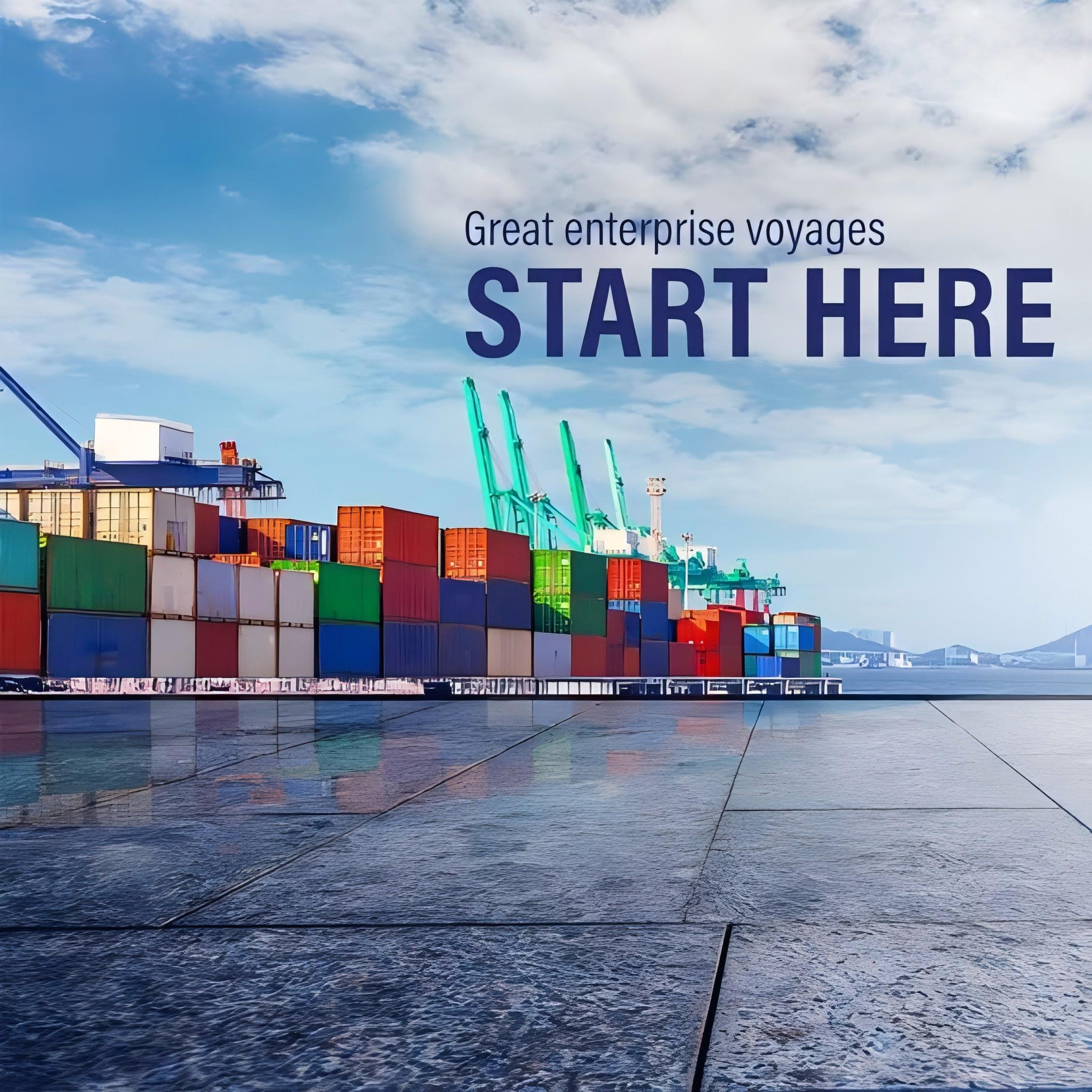
Sea Freight China to Australia: 2026 Shipping Rates and Transit Guide
Navigating the complexities of international logistics requires a reliable partner and a clear strategy to ensure your goods arrive safely. Business owners looking for the most cost-effective way to move cargo often choose sea freight china to Australia as their primary transport method. Consequently, understanding the current 2026 market trends and regulatory requirements is essential for maintaining a competitive edge in the Australian market.

What are the Current Trends for Sea Freight China to Australia in 2026?
Shipping dynamics have shifted significantly as we enter the first quarter of 2026, with rates stabilizing after the volatility seen in previous years. Meanwhile, port efficiency in major hubs like Shanghai and Shenzhen has reached record levels, allowing for faster processing of Australian-bound cargo. Furthermore, the adoption of green shipping corridors has introduced more sustainable but slightly more expensive fuel options for environmentally conscious importers.

Importers must stay informed about these changes to optimize their supply chain costs and delivery schedules. Specifically, the demand for consumer goods in Sydney and Melbourne continues to drive the majority of vessel allocations. Additionally, digital tracking technologies are now standard, providing real-time visibility that was previously only available for premium air services.
Selecting a high-quality sea freight provider remains the best way to handle large volumes of inventory. Therefore, businesses should evaluate their carrier contracts based on reliability and capacity rather than just the lowest price. Indeed, the current market rewards those who plan their shipments at least three to four weeks in advance.
How Does Sea Freight Compare to Other Shipping Options?
Choosing the right transport mode depends heavily on your budget, cargo size, and required delivery speed. While sea freight offers the lowest cost per cubic meter, it requires a much longer lead time compared to faster alternatives. For instance, high-value electronics or urgent restocks are often better suited for air freight despite the higher price tag.
Moreover, express services provide a middle ground for smaller parcels that need door-to-door delivery within a week. However, for the vast majority of retail and industrial goods, the ocean remains the only viable path for bulk transport. It is important to note that rail freight options do not exist for this specific trans-oceanic route between China and Australia.
Below is a detailed comparison of the primary shipping methods available for the China-Australia trade lane in 2026.
| Shipping Method | Cost Range (USD) | Transit Time | Best For | Limitations |
|---|---|---|---|---|
| Sea Freight (FCL) | $1,200 – $2,000 | 12-18 Days | Bulk Goods | Slower Speed |
| Sea Freight (LCL) | $50 – $120/CBM | 15-22 Days | Small Shipments | Handling Risk |
| Air Freight | $4.50 – $8.00/kg | 3-7 Days | High Value | Very Expensive |
| Express Service | $7.00 – $12.00/kg | 2-5 Days | Samples/Docs | Size Limits |
Which Option Should You Choose: FCL or LCL Shipping?
Full Container Load (FCL) is generally the most efficient choice for shipments that can fill a 20-foot or 40-foot container. Because you own the entire space, your goods are not handled alongside other shippers’ cargo, which reduces the risk of damage. Consequently, FCL is often faster because it avoids the consolidation and deconsolidation steps required for smaller loads.
Less than Container Load (LCL) serves as an excellent alternative for businesses moving smaller volumes between 1 and 15 cubic meters. Although the price per unit is higher, the total cost is much lower than paying for an entire container that remains half-empty. Nevertheless, you should account for an extra 3-5 days of transit time for the consolidation process at the loading port.
Decision thresholds usually suggest switching from LCL to FCL once your volume exceeds 13-15 cubic meters. At this point, the flat rate of a 20GP container becomes more economical than the cumulative CBM charges of LCL. Additionally, FCL provides a higher level of security for fragile or sensitive items.
Benefits of FCL for Australian Importers
Stability in pricing is a major advantage of FCL, as container rates are often fixed for longer periods. Furthermore, the direct nature of FCL shipments to ports like Brisbane or Fremantle ensures a more predictable delivery schedule. Without a doubt, high-volume importers benefit most from the economies of scale provided by full containers.
When to Opt for LCL Shipping
Start-ups and small businesses frequently use LCL to manage their cash flow while testing new products in the Australian market. By shipping smaller batches, you can maintain a lean inventory and respond quickly to consumer trends. For example, many Amazon FBA sellers utilize LCL to restock Australian warehouses efficiently.
What are the Transit Times from China to Major Australian Ports?
Transit times vary significantly based on the port of origin in China and the final destination in Australia. Generally, shipments from South China ports like Shenzhen or Guangzhou arrive faster than those departing from Northern hubs like Qingdao. On the other hand, the choice of carrier and whether the route is direct or involves transshipment also impacts the timeline.
Direct routes are highly recommended for time-sensitive cargo, even if they carry a slight premium. For instance, a direct vessel from Shanghai to Sydney typically takes around 14 days, whereas transshipment via Singapore could extend that to 21 days. Accordingly, you should always verify the vessel schedule before finalizing your booking.
Market data from early 2026 suggests that port congestion in Australia has eased, leading to more reliable berthing windows. However, seasonal peaks during the lead-up to Christmas and the Chinese New Year can still cause delays of 5 to 7 days. Planning for these fluctuations is vital for maintaining your retail supply chain.
| Origin Port (China) | Destination Port | Transit Time | Service Type |
|---|---|---|---|
| Shenzhen / Nansha | Sydney | 12-14 Days | Direct |
| Shanghai / Ningbo | Melbourne | 15-17 Days | Direct |
| Qingdao / Tianjin | Brisbane | 18-22 Days | Transshipment |
| Xiamen | Adelaide | 19-23 Days | Transshipment |
Navigating Customs Brokerage and Import Regulations
Clearing customs in Australia requires meticulous attention to detail and accurate documentation to avoid costly storage fees. Specifically, the Australian Border Force (ABF) mandates strict compliance with biosecurity and packing standards. Therefore, hiring a professional customs brokerage service is often the smartest investment an importer can make.
Essential documents include the Bill of Lading, Commercial Invoice, Packing List, and a Packing Declaration for sea freight. Moreover, if your goods contain wood or organic materials, you must provide a fumigation certificate to satisfy Department of Agriculture requirements. Failure to comply can result in your cargo being held or even destroyed upon arrival.
Indeed, understanding the China-Australia Free Trade Agreement (ChAFTA) can lead to significant duty savings. By providing a valid Certificate of Origin, many products qualify for zero or reduced tariffs. Consequently, you should always check the specific HS codes for your products to maximize these financial benefits.
Real Case Studies: Sea Freight China to Australia
Reviewing real-world examples helps illustrate the costs and timelines associated with modern logistics. These cases reflect typical market conditions found in 2025 and early 2026 for various cargo types.
Case Study 1: Furniture Import for Sydney Retailer. Route: Shanghai, China to Sydney, Australia. Cargo: Home furniture, 28 CBM. Container: 20GP. Shipping Details: Direct service via COSCO. Port of Loading: Shanghai. Port of Discharge: Sydney. Cost Breakdown: Ocean Freight $1,150, Origin Charges $280, Destination Charges $450, Customs/Duties $1,200 (estimated). Total Landed Cost: $3,080. Timeline: Booking to Loading 4 days, Sea Transit 14 days, Customs Clearance 2 days, Total Door-to-Door 20 days. Key Insight: Using FCL for a nearly full 20GP container saved the client 15% compared to LCL rates.
Case Study 2: Electronics Distribution for Melbourne. Route: Shenzhen, China to Melbourne, Australia. Cargo: Consumer electronics, 6 CBM, 1,200 kg. Container: LCL. Shipping Details: Transshipment via Singapore. Port of Loading: Shenzhen (Yantian). Port of Discharge: Melbourne. Cost Breakdown: Ocean Freight $480, Origin Charges $150, Destination Charges $320, Customs/Duties $2,100 (high value). Total Landed Cost: $3,050. Timeline: Booking to Loading 5 days, Sea Transit 19 days, Customs Clearance 3 days, Total Door-to-Door 27 days. Key Insight: Consolidation allowed the small business to maintain stock without the expense of a full container.
Case Study 3: Industrial Machinery to Brisbane. Route: Ningbo, China to Brisbane, Australia. Cargo: Spare parts, 12 CBM. Container: LCL. Shipping Details: Direct carrier. Port of Loading: Ningbo. Port of Discharge: Brisbane. Cost Breakdown: Ocean Freight $840, Origin Charges $200, Destination Charges $380, Customs/Duties $650. Total Landed Cost: $2,070. Timeline: Booking to Loading 3 days, Sea Transit 16 days, Customs Clearance 2 days, Total Door-to-Door 21 days. Key Insight: Accurate HS code classification saved the client $400 in potential overpaid duties.
Maximizing Efficiency with Door to Door Services
Many modern businesses prefer a hands-off approach to logistics by utilizing comprehensive door to door solutions. This service covers every step of the journey, from the factory floor in China to the final warehouse in Australia. As a result, you can focus on sales and marketing while the logistics experts handle the heavy lifting.
Furthermore, door-to-door shipping simplifies the billing process by providing a single quote that includes all freight and handling fees. This transparency helps in calculating accurate landed costs for your products. In addition, it reduces the communication gap between multiple parties, as you only deal with a single point of contact.
Whether you are shipping from China to Australia for the first time or the hundredth, this model offers the most peace of mind. Without a doubt, the convenience of having your cargo delivered directly to your doorstep outweighs the slightly higher service fee for most growing enterprises.
Cost-Saving Strategies for Your Ocean Freight
Reducing your shipping expenses requires a combination of smart planning and negotiation. First, always try to ship during off-peak windows to avoid the high surcharges associated with the Golden Week or the pre-Christmas rush. Additionally, optimizing your packaging to reduce unused volume can significantly lower your LCL costs.
Consolidating multiple smaller orders from different suppliers into a single FCL shipment is another powerful strategy. This approach, known as buyer’s consolidation, minimizes handling fees and simplifies the customs entry process. Moreover, choosing a port of discharge closer to your final destination reduces inland trucking costs, which can be substantial in Australia.
Finally, always request multiple quotes and compare the breakdown of surcharges. Some forwarders may offer a low base rate but add excessive documentation or handling fees. Indeed, a transparent partner will provide a clear explanation of all costs involved in the sea freight china to Australia route.

Final Thoughts on Australian Sea Freight
Successfully managing sea freight china to Australia involves a deep understanding of transit times, cost structures, and regulatory requirements. By choosing between FCL and LCL wisely and leveraging ChAFTA benefits, you can significantly reduce your operational expenses. Furthermore, partnering with a professional logistics provider ensures that your cargo navigates the 2026 market challenges with ease.
In summary, while the shipping landscape continues to evolve, ocean freight remains the backbone of the China-Australia trade lane. Focus on planning ahead, maintaining accurate documentation, and optimizing your shipping volumes to achieve long-term success. Reliable sea freight is not just a service; it is a strategic asset for your growing business.
Need a tailored shipping solution?
Streamline your supply chain today with our expert sea freight china to Australia solutions. Contact our team for a personalized quote and experience reliable, cost-effective shipping tailored to your business needs. Visit https://ailogisticschina.com/ to get started.