

Container Shipping China to France: 2026 Rates and Logistics Guide
Navigating the complexities of container shipping china to France requires a strategic approach to balance cost and speed in the current 2026 market. Businesses looking to optimize their supply chain must understand the evolving logistics landscape between these two major global trade partners. By partnering with experts like ailogisticschina.com, importers can streamline their operations and ensure timely delivery of goods across international borders.

What are the Primary Methods for Container Shipping China to France?
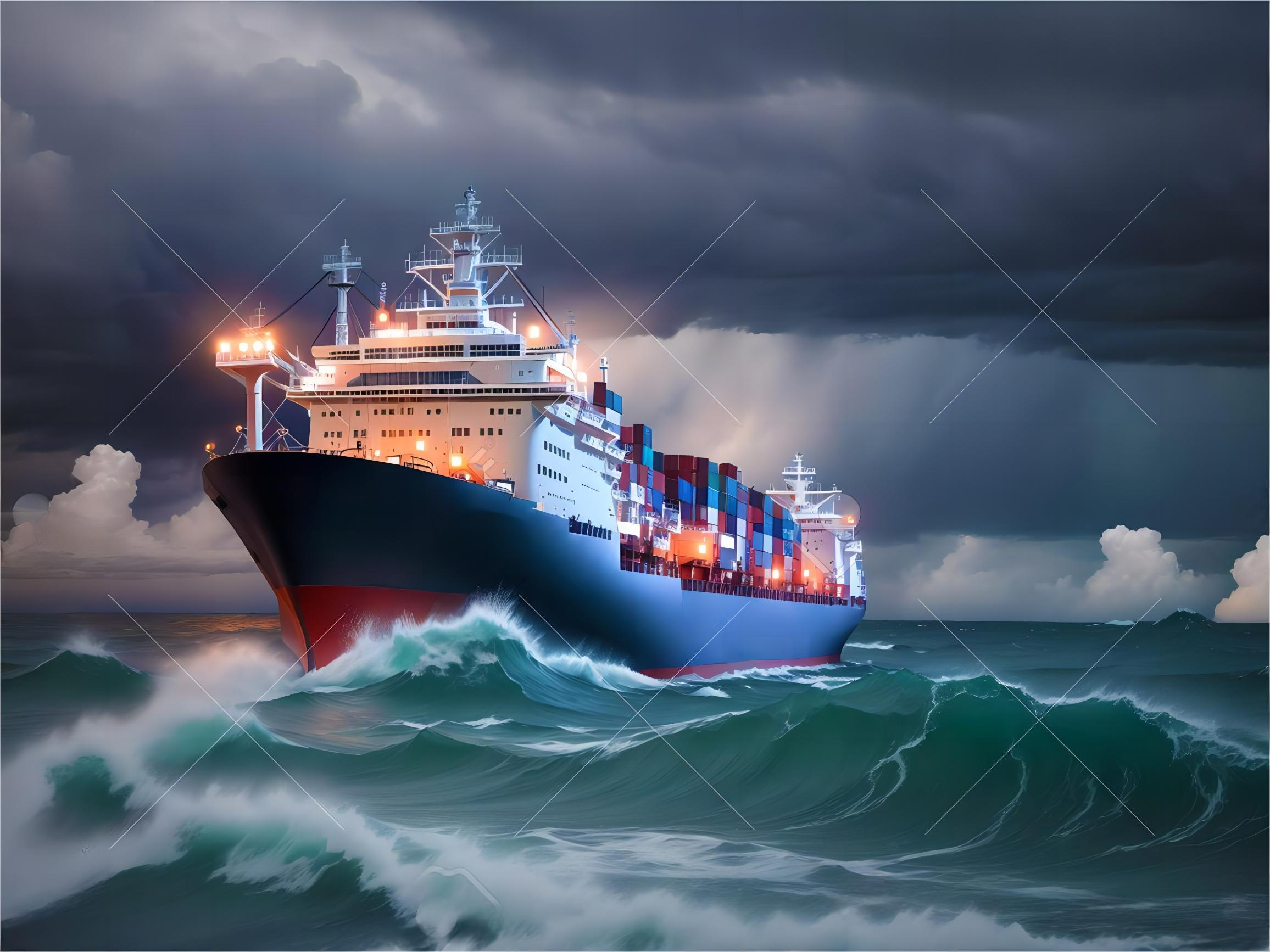
Selecting the right transport mode is the first critical decision for any importer managing container shipping china to France. Most businesses rely on sea freight due to its high capacity and cost-effectiveness for large volumes. This method remains the backbone of international trade, especially for non-urgent shipments.
Alternatively, rail transport offers a middle ground between sea and air options. The expansion of the Iron Silk Road has made rail a viable solution for those needing faster transit than ocean freight without the high expense of planes. Consequently, many companies are diversifying their routes to include rail for high-value industrial components.
Furthermore, air transport serves as the fastest possible route for time-sensitive cargo. While significantly more expensive, it is essential for electronics, fashion, or perishable goods that cannot afford weeks at sea. Understanding these differences allows businesses to tailor their logistics strategy to their specific budget and timeline.
How Does Sea Freight Compare to Other Shipping Options?
Evaluating different transportation modes requires an objective look at transit times and budgetary constraints. While ocean transport is the most popular, it is not always the most efficient for every business model. In 2026, freight rates have stabilized, but choosing the wrong method can still lead to significant financial losses.
Moreover, hybrid solutions like sea-air combinations are gaining popularity. These routes typically involve shipping by sea to a hub like Dubai and then flying the cargo to France. This approach often saves 40% of the cost compared to pure air freight while cutting sea transit time in half.
Indeed, the choice often depends on the total volume and weight of the shipment. Small batches might benefit from air freight, whereas bulk commodities almost always require a full container. The following table provides a breakdown of how these methods compare in the current market.
| Shipping Method | Cost Range (USD) | Transit Time | Best For |
|---|---|---|---|
| Sea Freight (40HQ) | $3,200 – $4,500 | 30 – 40 Days | Bulk & Large Goods |
| Rail Freight | $2,500 – $3,800 | 18 – 24 Days | Mid-value Cargo |
| Air Freight (per kg) | $4.50 – $7.50 | 5 – 8 Days | Urgent Shipments |
| Express Service | $8.00 – $12.00 | 3 – 5 Days | Small Samples |
Which Option Should You Choose: FCL or LCL?
Determining whether to use Full Container Load (FCL) or Less than Container Load (LCL) is a pivotal step in planning container shipping china to France. FCL involves renting an entire 20ft or 40ft container for your goods alone. This method typically offers better security and faster handling since the container is sealed at the origin and only opened at the destination.
On the other hand, LCL allows multiple shippers to share space within a single container. This is particularly economical for smaller shipments that do not fill a whole unit. However, LCL often involves longer transit times due to the consolidation and deconsolidation processes at the ports.
Therefore, businesses must calculate their total volume in cubic meters (CBM) before deciding. If your shipment exceeds 15 CBM, FCL usually becomes more cost-effective than paying for individual space in an LCL shipment. Always consider the potential for damage and the urgency of delivery when making this choice.
Volume Thresholds for FCL vs LCL
Shipments under 12 CBM are almost always cheaper via LCL. Once you reach the 13-15 CBM range, the price difference between a partial container and a full 20GP container narrows significantly. Beyond 15 CBM, booking a full container provides better value and reduces the risk of handling errors.
Understanding 2026 Transit Times for French Ports
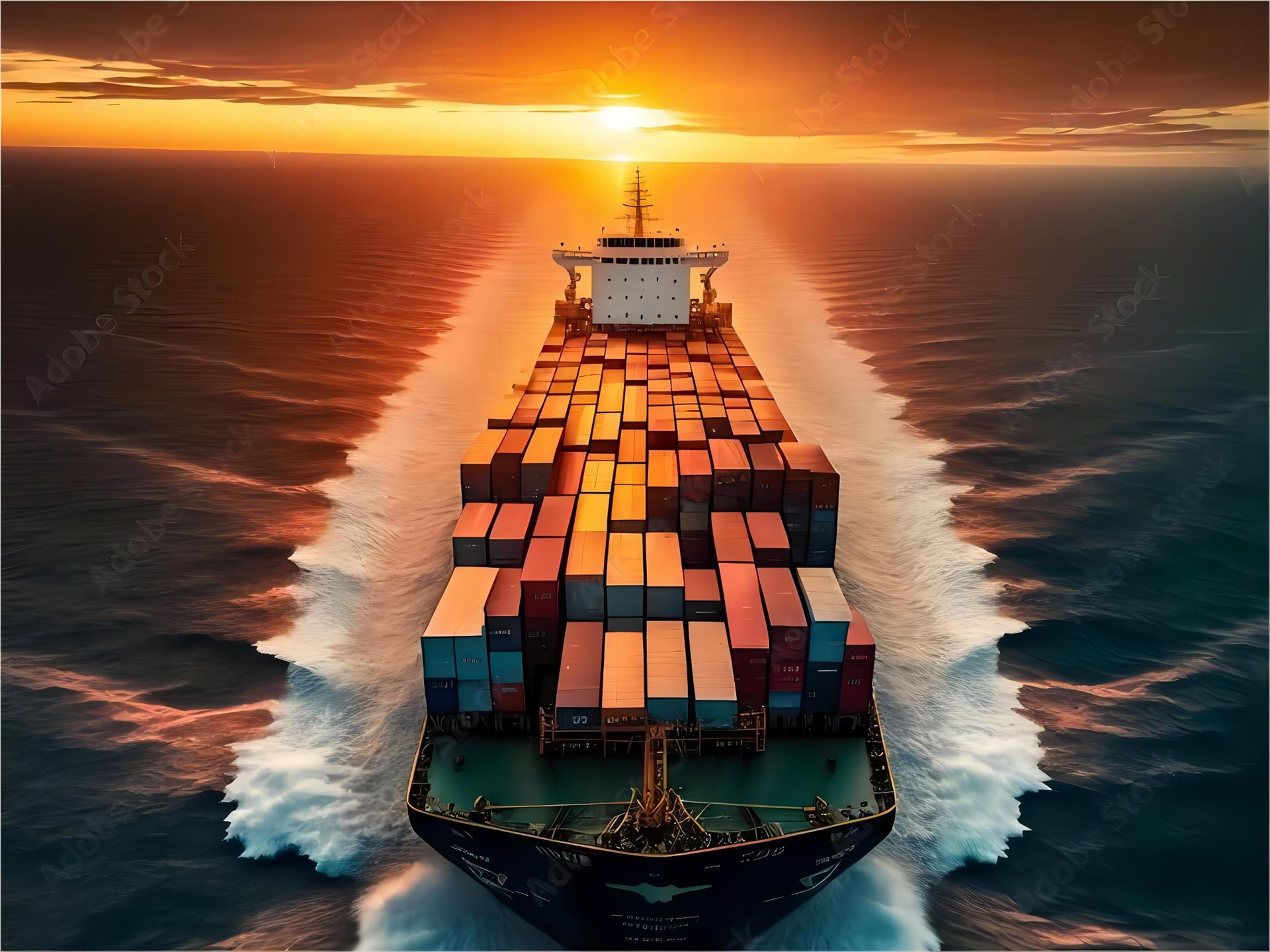
Estimating delivery dates correctly is vital for inventory management and customer satisfaction. Most shipments from China to France arrive at major ports like Le Havre or Marseille. Depending on the origin city in China, such as Shanghai or Shenzhen, the sea voyage typically spans 30 to 45 days.
Additionally, inland transport within France must be factored into the total timeline. Once the ship docks, customs clearance and trucking to the final warehouse can add another 3 to 7 days. In early 2026, port efficiency has improved, but seasonal peaks still cause occasional congestion.
Specifically, direct routes from South China to Marseille are often faster for Mediterranean destinations. Conversely, shipments bound for Paris or Northern France usually enter through Le Havre. Choosing the correct port of discharge can save significant time and domestic trucking costs.
| Origin Port | Destination Port | Transit (Sea) | Total Door-to-Door |
|---|---|---|---|
| Shanghai | Le Havre | 32 Days | 38 – 42 Days |
| Shenzhen | Marseille | 28 Days | 34 – 38 Days |
| Ningbo | Le Havre | 34 Days | 40 – 45 Days |
| Qingdao | Le Havre | 36 Days | 42 – 48 Days |
How to Navigate Customs Brokerage and Documentation?
Managing the legal requirements for importing goods into the European Union is a complex task. Every shipment must comply with French customs regulations and EU standards to avoid delays or heavy fines. Utilizing professional customs brokerage services is highly recommended for first-time importers.
Furthermore, specific documents are mandatory for every container shipping china to France transaction. These include the Commercial Invoice, Packing List, and the Bill of Lading. Some products, like electronics or toys, may also require a Certificate of Conformity (CE marking) to enter the French market.
Consequently, errors in paperwork are the leading cause of delivery delays at the border. Ensuring that all HS codes are correctly classified will prevent overpayment of duties and taxes. Working with an experienced freight forwarder ensures that all regulatory hurdles are cleared before the ship even reaches the port.
Essential Documentation Checklist
1. Commercial Invoice: Detailing the value and description of goods. 2. Packing List: Specifying weights, dimensions, and quantities. 3. Bill of Lading: The contract between the shipper and the carrier. 4. Certificate of Origin: To determine applicable duty rates. 5. EORI Number: Required for all businesses importing into France.
Real-World Case Studies for Shipping to France
Examining actual shipping scenarios provides valuable insight into the costs and timelines involved in modern logistics. These examples reflect the market conditions of 2025 and 2026. They illustrate how different choices in container type and route affect the final landed cost of products.
Moreover, these cases highlight the importance of planning for local charges and duties. Many importers focus only on the ocean freight rate and forget to account for port handling fees and inland trucking. The following case studies provide a realistic breakdown of typical shipments.
Case Study 1: Electronics from Shenzhen to Le Havre
Route: Shenzhen, China to Le Havre, France. Cargo: Consumer electronics, 28 CBM, 4,500 kg. Container: 40HQ (Full Container Load). Shipping Details: Carrier: Major ocean carrier, Port of Loading: Shenzhen, Port of Discharge: Le Havre, Route Type: Direct. Cost Breakdown: Ocean Freight: $3,850, Origin Charges: $450, Destination Charges: $600, Customs & Duties: $1,200, Total Landed Cost: $6,100. Timeline: Booking to Loading: 4 days, Sea Transit: 31 days, Customs Clearance: 3 days, Total Door-to-Door: 42 days. Key Insight: Using FCL for high-value electronics ensured minimal handling and maximum security.
Case Study 2: Furniture from Ningbo to Marseille
Route: Ningbo, China to Marseille, France. Cargo: Home furniture, 10 CBM, 2,000 kg. Container: LCL (Less than Container Load). Shipping Details: Carrier: Consolidation service, Port of Loading: Ningbo, Port of Discharge: Marseille, Route Type: Transshipment via Singapore. Cost Breakdown: Ocean Freight: $950, Origin Charges: $300, Destination Charges: $550, Customs & Duties: $800, Total Landed Cost: $2,600. Timeline: Booking to Loading: 6 days, Sea Transit: 35 days, Customs Clearance: 4 days, Total Door-to-Door: 48 days. Key Insight: LCL was the most economical choice for this volume, though transit was slightly longer.
Alternative Strategies and Cost-Saving Tips
Reducing expenses in container shipping china to France requires proactive management and flexibility. One effective strategy is to book shipments at least 3 to 4 weeks in advance. Last-minute bookings often incur premium rates and risk cargo being rolled to the next available vessel.
In addition, consider the impact of seasonal demand on pricing. Rates typically spike during the peak season from August to October as retailers prepare for the holiday period. Planning your inventory flow to avoid these months can save up to 20% on freight costs.
Meanwhile, exploring rail freight can be a strategic move for urgent restocks. While more expensive than sea, it is significantly cheaper than air. For shipments bound for Eastern or Central France, rail can often deliver goods closer to the final destination, reducing domestic trucking fees.
Final Thoughts on Shipping to France
Successfully managing container shipping china to France involves a careful balance of timing, cost, and regulatory compliance. As we move through 2026, staying informed about market trends and port conditions is more important than ever. By choosing the right shipping method and a reliable logistics partner, you can ensure your goods arrive safely and efficiently.
Indeed, the logistics landscape will continue to evolve, but the core principles of effective freight management remain the same. Prioritize clear documentation, understand your volume requirements, and always plan for potential delays. This strategic approach will guarantee that your container shipping china to France remains a driver of business growth.
Need a tailored shipping solution?
Optimizing your container shipping china to France is essential for maintaining a competitive edge in today’s global market. Whether you need a quote for a 40HQ container or require assistance with complex customs regulations, our team is ready to help. Visit ailogisticschina.com to request a personalized shipping quote and streamline your supply chain today.