

Freight Forwarder China to France: 2026 Shipping Guide and Costs
Navigating the complexities of international trade requires a partner who understands the nuances of the Eurasian corridor. Finding a dependable freight forwarder china to France is the first step toward ensuring your goods arrive safely and on time. This guide explores the most efficient shipping methods, current 2026 market rates, and essential customs procedures for French importers. Selecting an experienced agent simplifies the entire process from pickup in Shenzhen to delivery in Paris. These professionals manage the intricate details of logistics, allowing you to focus on your core business growth. Furthermore, they provide critical insights into changing regulations and local market conditions within the European Union.
Why Choose a Professional Freight Forwarder China to France?
Professional forwarding services offer more than just transportation of goods between two points. They act as strategic partners who optimize your supply chain for both speed and cost efficiency. Consequently, importers who collaborate with established logistics experts often report fewer delays and lower overhead expenses. Managing the vast distance between Chinese factories and French warehouses involves coordinating multiple carriers and handling complex documentation.
Reliable agents provide end-to-end visibility, ensuring you know exactly where your cargo is at any given moment. This transparency is vital for maintaining inventory levels and meeting customer expectations in the competitive French market. Additionally, a local presence in both countries allows for better negotiation with carriers and faster resolution of any unforeseen issues. By leveraging their network, forwarders can secure space even during peak seasons when capacity is limited.
Understanding the specific requirements of shipping from China to Europe is another significant advantage. Each European nation has unique port procedures and tax regulations that can impact your bottom line. An expert forwarder will help you navigate these hurdles, ensuring compliance with all EU standards. Ultimately, this expertise translates into a smoother, more predictable shipping experience for your business.
Sea Freight: The Cost-Effective Solution for Large Volumes
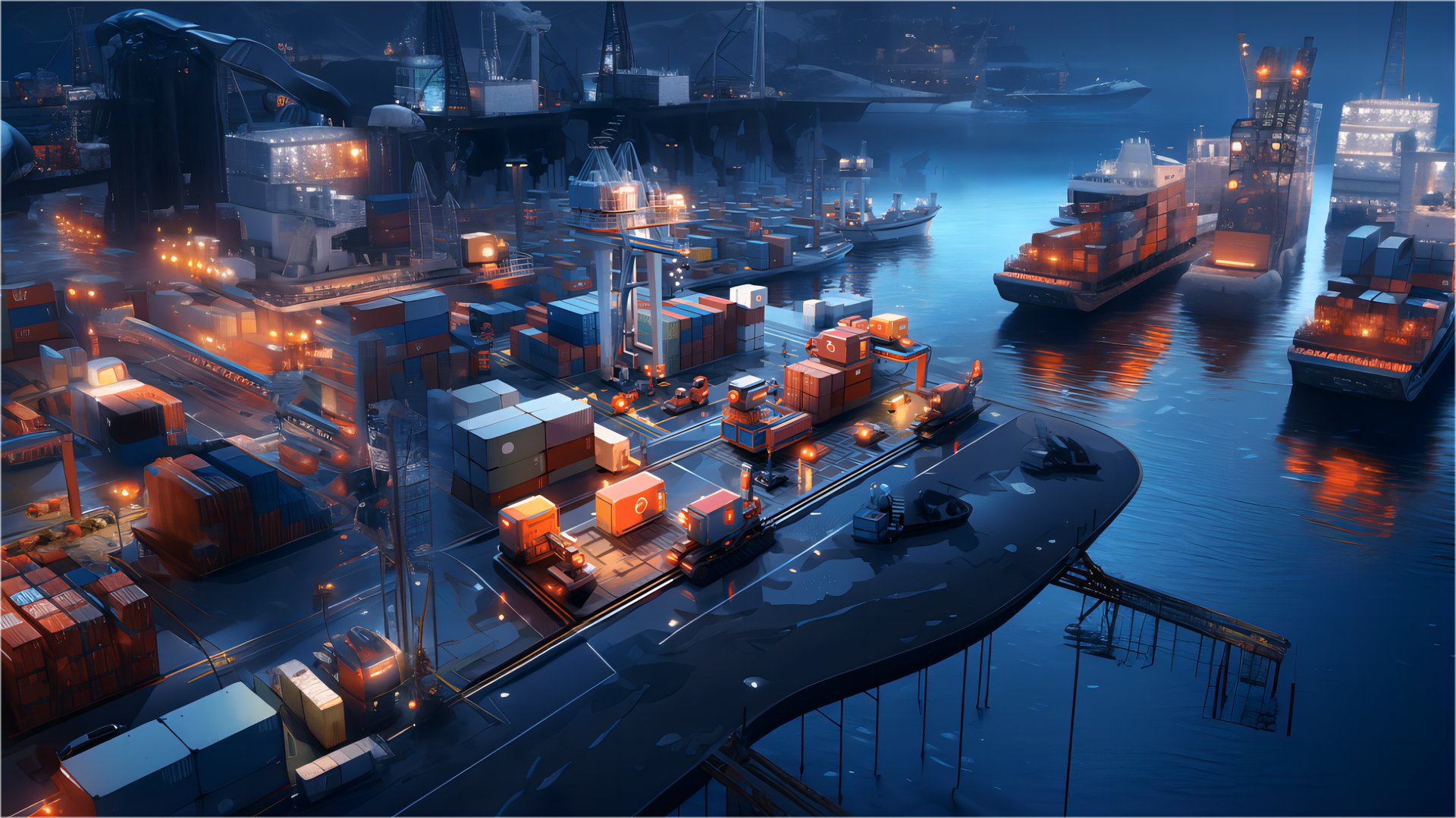
Shipping by sea remains the most popular choice for businesses moving large volumes of goods across continents. You should consider sea freight when your priority is minimizing transportation costs for bulk cargo. This method is particularly suitable for non-perishable items, heavy machinery, and consumer electronics that do not require immediate delivery.
Large containers allow for significant economies of scale, making this the most economical option for full container loads. Businesses can choose between 20-foot and 40-foot containers based on their specific volume requirements. Moreover, sea transport has a lower carbon footprint per ton of cargo compared to air alternatives. As of early 2026, ocean freight rates have stabilized, providing a more predictable budget for long-term planning.
Moreover, the arrival of goods at major French ports like Le Havre or Marseille is highly predictable despite the longer transit times. Modern tracking technology allows you to monitor your shipment progress across the ocean in real-time. Therefore, planning ahead ensures that your inventory levels remain stable without incurring excessive shipping fees. It is the backbone of global trade for a reason.
| Origin Port | Destination Port | Service Type | Estimated Days |
|---|---|---|---|
| Shanghai | Le Havre | Direct | 30-33 Days |
| Shenzhen | Marseille | Direct | 28-31 Days |
| Ningbo | Le Havre | Transshipment | 35-40 Days |
| Qingdao | Fos-sur-Mer | Direct | 32-35 Days |
Air Freight: Rapid Delivery for Time-Sensitive Cargo
Air freight provides the fastest connection for urgent shipments that need to reach French markets within days. Importers should utilize air freight for high-value items or seasonal products with short shelf lives. Although the cost is higher, the reduction in transit time can be a critical competitive advantage for product launches.
High-value electronics and luxury fashion items are frequently transported via air to ensure maximum security and speed. This method reduces the need for extensive warehousing, as products move quickly from the factory to the retail shelf. Additionally, air transport minimizes the risk of damage during long-distance transit. Most shipments reach major French airports within 5 to 7 business days.
Consequently, businesses often choose air transport for smaller shipments that do not justify the cost of a full sea container. The streamlined handling processes at major airports like Paris Charles de Gaulle facilitate rapid customs clearance. Indeed, the speed of air logistics is unmatched for time-critical supply chain demands. It remains the premium choice for those who value time over cost.

Rail Freight: The Middle Ground for Eurasian Logistics
Rail transport has emerged as a viable middle ground for companies seeking a balance between speed and budget. Utilizing rail freight allows cargo to travel across the New Silk Road in approximately three weeks. This method is faster than sea freight and significantly cheaper than air transport, filling a crucial gap in the market.
Connecting major Chinese manufacturing hubs with European rail terminals provides a consistent delivery schedule for various industries. This mode of transport is less affected by weather conditions compared to sea routes. Furthermore, rail logistics offer a more sustainable alternative for companies aiming to reduce their environmental impact. It is an excellent choice for automotive parts and industrial equipment.
Sustainable logistics practices are becoming increasingly important for French businesses adhering to strict environmental standards. Rail transport consumes less energy per ton-kilometer than road or air transport. As a result, many forward-thinking companies are integrating rail into their long-term shipping strategies. It offers a reliable schedule that helps in precise production planning.
How Does Sea Freight Compare to Other Shipping Options?
Comparing different shipping methods is essential for optimizing your logistics budget and meeting delivery deadlines. While sea freight is the cheapest, it requires the longest lead time, often exceeding a month. In contrast, air freight is nearly six times more expensive but delivers goods in less than a week. Rail freight sits comfortably in the middle, offering a balanced approach.
Analyzing the cost-per-kilogram reveals that air freight is best for light, high-value goods, whereas sea freight is unbeatable for heavy cargo. For shipments between 1 and 2 tons, rail freight often provides the best value for money in 2026. Importers must also consider the hidden costs of each method, such as insurance premiums and warehousing fees. Each option presents unique trade-offs that must be evaluated.
| Shipping Method | Cost Range (USD) | Transit Time | Best For |
|---|---|---|---|
| Sea (40HQ) | $3,000 – $4,200 | 28-35 Days | Bulk & Heavy Cargo |
| Air (per kg) | $4.50 – $8.00 | 5-7 Days | Urgent & High Value |
| Rail (40GP) | $4,500 – $6,500 | 18-22 Days | Mid-sized Shipments |
| Express | $8.00 – $12.00 | 3-5 Days | Small Samples |
Which Option Should You Choose? Decision Framework
Choosing the right method depends largely on your specific business needs and the nature of your products. If your primary goal is budget priority, we recommend sea freight for any shipment over 2 cubic meters. For those with a speed priority, air freight is the only logical choice to maintain market momentum. Cargo type also plays a significant role in this decision.
Volume thresholds often dictate when it is time to switch from LCL to FCL or from air to rail. Generally, once a shipment exceeds 15 cubic meters, a full container becomes more economical than loose cargo. Hybrid solutions, such as sea-air combinations via Dubai, can also offer unique cost-saving opportunities. Always consult with your forwarder to find the most efficient route for your specific scenario.
Navigating Customs Brokerage and Import Regulations in France
Navigating the customs brokerage process is one of the most challenging aspects of importing into France. Each shipment must comply with European Union regulations, including the correct classification of goods and payment of duties. Reliable forwarders ensure that all documentation, such as the EORI number and commercial invoice, is perfectly prepared. This prevents costly delays at the border.
Proper classification using the Harmonized System (HS) codes is crucial for determining the correct VAT and duty rates. Errors in documentation can lead to heavy fines or even the seizure of goods by French customs authorities. Furthermore, certain products may require additional certifications, such as CE marking for electronics. Working with an expert ensures that your cargo meets all safety and environmental standards.
French customs are known for their thoroughness, particularly regarding health and safety regulations. Importers must be prepared for occasional physical inspections of their cargo at the port of entry. However, having a pre-cleared status and accurate paperwork significantly speeds up the release of goods. Consistency in your documentation is the key to maintaining a good relationship with customs officials.
Case Studies: Real-World Shipping Scenarios for 2026
Real-world examples provide valuable insights into the practicalities of international shipping. These cases reflect actual market conditions as of early 2026. They demonstrate how different strategies can be applied to solve common logistics challenges. Use these scenarios as a benchmark for your own shipping expectations and budgeting.
Case Study 1: Electronics from Shenzhen to Marseille. Route: Shenzhen to Marseille. Cargo: Smart Home Devices, 12 CBM, 2400 kg. Method: Sea Freight LCL. Ocean Freight: $1,200. Origin/Destination Charges: $800. Customs/Duties: $1,800. Total Cost: $3,800. Transit Time: 32 Days. Key Insight: LCL provided a 40 percent saving over air freight for this mid-sized volume.
Case Study 2: Fashion Apparel from Shanghai to Paris. Route: Shanghai to Paris CDG. Cargo: Premium Clothing, 500 kg. Method: Air Freight. Total Landed Cost: $4,500. Transit Time: 6 Days. Key Insight: The speed of air freight allowed the brand to restock best-sellers during the peak spring season, maximizing retail revenue.
Case Study 3: Industrial Machinery from Chengdu to Lyon. Route: Chengdu to Lyon via Rail. Cargo: CNC Machine, 18 CBM. Method: Rail Freight FCL. Total Landed Cost: $7,200. Transit Time: 20 Days. Key Insight: Rail offered a 12-day time saving over sea freight at a fraction of the air freight cost.
Comprehensive Door to Door Services for Importers
Choosing a door to door service eliminates the stress of managing multiple logistics providers. This comprehensive solution covers every step of the journey from the supplier’s warehouse in China to the final destination in France. Consequently, you can enjoy a seamless experience with a single point of contact for all your shipping needs. It is the ultimate convenience for busy importers.
Efficiency is maximized when one company handles the pickup, international transport, and local delivery. This reduces the risk of communication gaps that often occur when switching between different logistics agents. Additionally, door-to-door services often include customs clearance as part of the package. This ensures that your goods move through the supply chain without unnecessary interruptions.
Finally, this service model provides a clear, all-inclusive price that helps in accurate financial forecasting. You won’t have to worry about hidden port fees or unexpected delivery charges at the destination. For many small to medium-sized businesses, the peace of mind offered by door-to-door logistics is worth the investment. It allows you to receive your goods as easily as a domestic parcel.
Cost-Saving Strategies for Shipping to France
Strategies for reducing your shipping expenses often involve careful planning and volume consolidation. Consolidating multiple smaller orders into a single LCL or FCL shipment can significantly lower your per-unit transport cost. Additionally, booking your shipments at least 2 to 3 weeks in advance helps secure better rates from carriers. Seasonal awareness is also vital for cost management.
Negotiating long-term contracts with your freight forwarder can provide stability in an otherwise volatile market. During the 2026 peak season, rates typically increase by 15 to 25 percent, so avoiding these periods can save thousands. Early communication with your supplier ensures that goods are ready for pickup exactly when the vessel or plane is scheduled. Small adjustments in your shipping schedule can lead to substantial financial benefits.
Market trends suggest that shifting some volume to rail freight can be a major cost-saver for those who previously relied on air. Furthermore, optimizing your packaging to reduce wasted space within containers ensures you aren’t paying to ship air. Every cubic centimeter saved contributes to a more profitable import operation. Constant review of your logistics strategy is necessary to stay competitive.
Mastering Your Logistics from China to France
Successfully managing a shipment requires a deep understanding of methods, costs, and regulations. By choosing the right freight forwarder China to France, you ensure that your business remains agile and cost-effective in 2026. Whether you opt for the speed of air, the economy of sea, or the balance of rail, your choice should align with your business goals.
Reliability and transparency are the foundations of a strong logistics partnership. As market conditions evolve, staying informed about the latest trends and procedures will keep your supply chain running smoothly. Start optimizing your import process today to secure a competitive edge in the French market.
Need a tailored shipping solution?
Ready to streamline your supply chain and reduce your shipping costs? Contact AiLogisticsChina today for a personalized quote and expert guidance on your next shipment from China to France. Visit our website to learn more about our comprehensive logistics solutions. Send Inquiry: https://ailogisticschina.com/