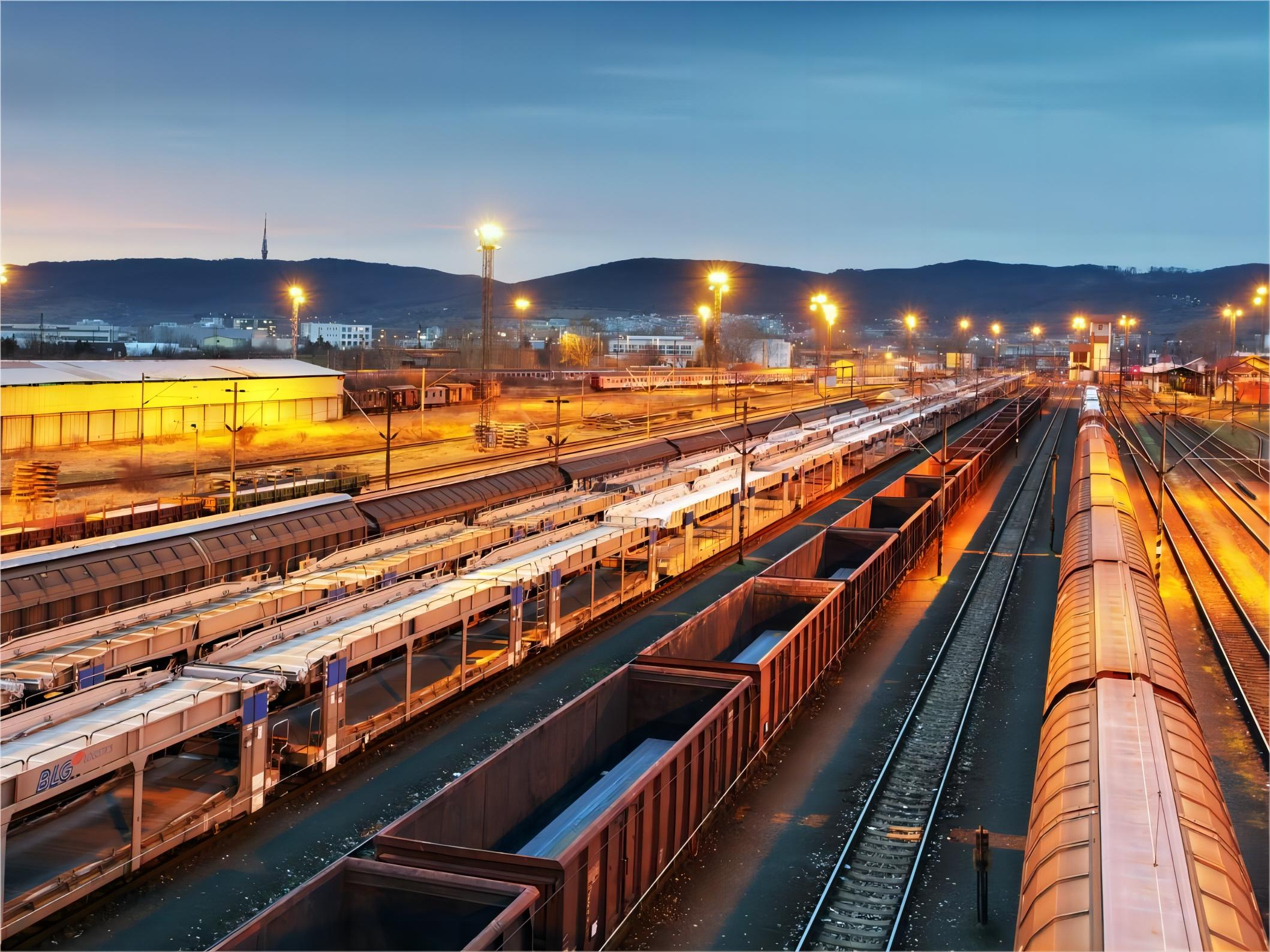


Shipping from China to France: The Complete 2026 Logistics Guide
Navigating the complexities of shipping from China to France requires a strategic approach to balance speed and cost. Businesses often face challenges with fluctuating freight rates and complex customs regulations that can delay supply chains. By partnering with AI Logistics China, you gain access to expert solutions that simplify the entire import process from start to finish.
What are the Primary Methods for Shipping from China to France?
Choosing the right transportation mode is the first critical decision for any importer. Currently, three main routes dominate the landscape: sea, air, and rail freight. Each method offers distinct advantages depending on your cargo volume and urgency.
Moreover, the global logistics environment in 2026 has stabilized significantly, providing more predictable schedules for European routes. Consequently, businesses can now plan their inventory with higher precision than in previous years.
Specifically, sea freight remains the backbone of trade due to its capacity for bulk goods. Meanwhile, air freight serves those needing rapid replenishment of high-value items.
Additionally, rail freight has emerged as a robust middle-ground alternative. It provides a faster transit than the ocean while remaining more affordable than air transport.
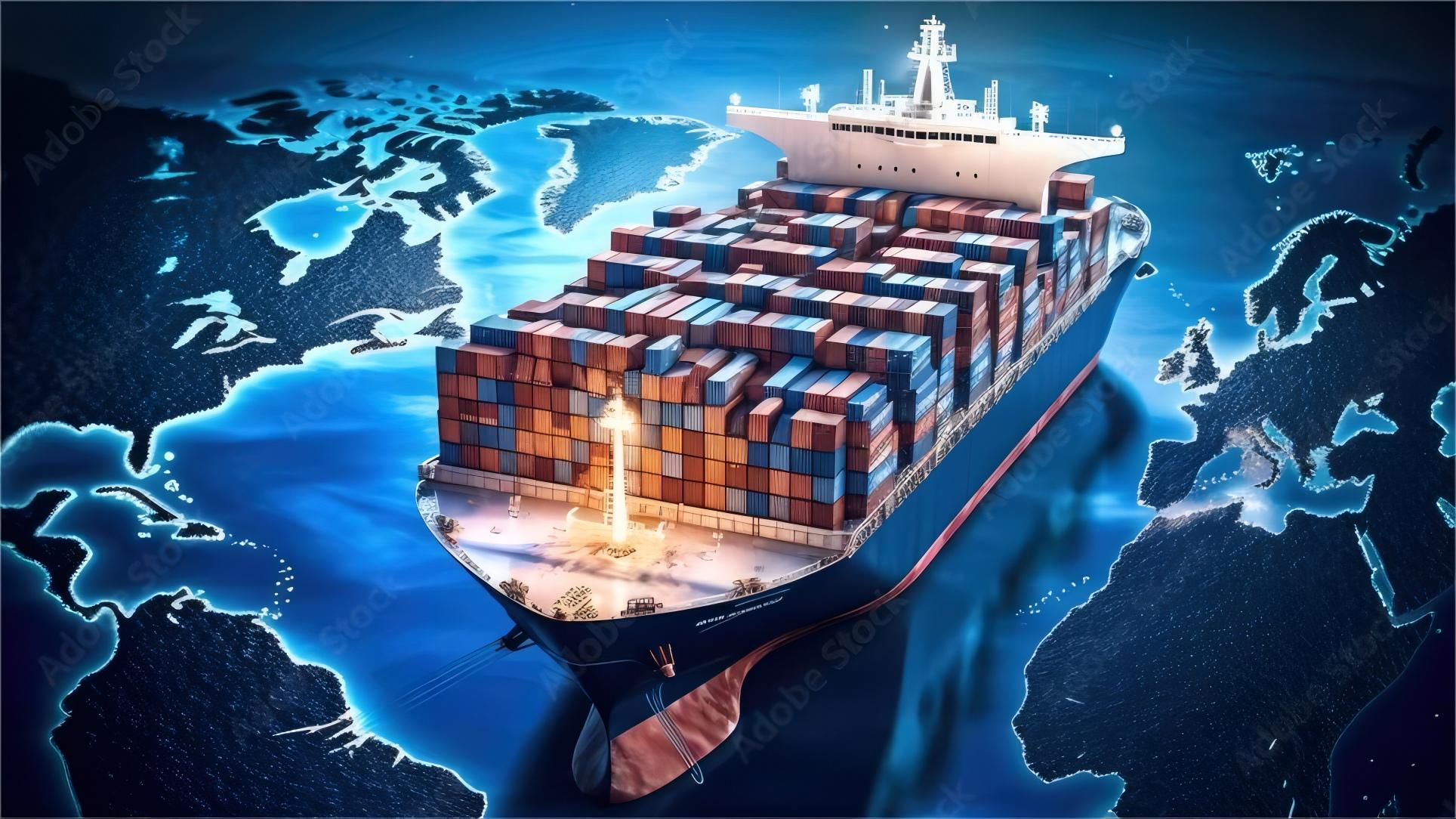
How Does Sea Freight Work for the China-France Route?
Ocean transport is the most economical way to move large quantities of goods over long distances. When utilizing sea freight, you must choose between Full Container Load (FCL) and Less than Container Load (LCL).
FCL involves renting an entire 20ft or 40ft container for your exclusive use. This option is generally faster and more secure because the container remains sealed from the origin to the destination.
On the other hand, LCL allows you to share container space with other shippers. This is ideal for smaller volumes under 15 cubic meters, though it involves more handling and slightly longer transit times.
Furthermore, major French ports like Le Havre and Marseille handle the majority of these shipments. Therefore, selecting the port closest to your final warehouse can significantly reduce inland trucking costs.
| Container Type | Capacity (CBM) | Estimated Cost (USD) | Best For |
|---|---|---|---|
| 20GP Container | 33 CBM | $1,900 – $2,600 | Heavy or dense cargo |
| 40GP Container | 67 CBM | $2,900 – $3,900 | Large volume goods |
| 40HQ Container | 76 CBM | $3,200 – $4,400 | Bulky or light goods |
| LCL (per CBM) | 1 – 15 CBM | $60 – $95 | Small shipments |
Is Air Freight the Best Choice for Urgent Shipments?
Speed is the defining characteristic of air freight services. When your business needs to meet tight deadlines or transport perishable items, air transport is the only viable solution.
Indeed, shipments can move from major Chinese hubs like Shanghai or Shenzhen to Paris Charles de Gaulle in just a few days. However, this convenience comes at a much higher price point compared to other methods.
Freight forwarders typically calculate air costs based on either actual weight or volumetric weight. Accordingly, you should optimize your packaging to avoid paying for unnecessary space.
Furthermore, the reliability of flight schedules in 2026 ensures that supply chain disruptions are kept to a minimum. Nevertheless, you should book at least a week in advance during peak seasons to secure space.
Why Consider Rail Freight for Your Logistics Strategy?
The Iron Silk Road has revolutionized trade between Asia and Europe. Utilizing rail freight offers a strategic balance that many modern businesses prefer.
Transit times for rail are approximately half those of sea freight, usually taking between 15 and 20 days. Consequently, it is an excellent option for seasonal products that cannot wait for a ship but do not justify air costs.
Additionally, rail transport is considered more environmentally friendly than air or sea options. Many French companies now prioritize rail to meet their corporate sustainability goals.
However, rail routes can occasionally face congestion at border crossings like the Alashankou pass. Therefore, working with an experienced logistics provider is essential to navigate these potential bottlenecks.

How Does Sea Freight Compare to Other Shipping Options?
Comparing different modes of transport is vital for optimizing your logistics budget. Each method serves a specific purpose based on the weight, value, and urgency of your cargo.
While sea freight costs $2,000-4,000 for a container, air freight for the same volume would cost over $20,000. On the contrary, air freight arrives in days, whereas sea freight takes over a month.
Furthermore, rail freight sits comfortably in the middle, offering a competitive price for medium-sized shipments. Without a doubt, the best choice depends on your specific business requirements and inventory cycles.
| Shipping Method | Cost Range | Transit Time | Best For |
|---|---|---|---|
| Sea Freight | Low ($) | 30 – 45 Days | Bulk, non-urgent goods |
| Air Freight | High ($$$) | 3 – 7 Days | Urgent, high-value |
| Rail Freight | Medium ($$) | 15 – 22 Days | E-commerce, seasonal |
| Express | Very High ($$$$) | 2 – 5 Days | Documents, samples |
What are the Benefits of Door to Door and DDP Shipping?
Managing multiple logistics stages can be overwhelming for many importers. Opting for door to door service simplifies the process by consolidating all steps into a single contract.
Specifically, Delivered Duty Paid (DDP) shipping is highly popular among French buyers. Under DDP terms, the seller handles all costs, including international freight, insurance, and French import duties.
Consequently, the buyer only needs to receive the goods at their specified location. This eliminates the risk of unexpected customs fees or administrative hurdles at the border.
Moreover, this method provides total price transparency from the outset. Indeed, knowing the final landed cost helps businesses maintain their profit margins more effectively.
Navigating Customs Clearance and Documentation
Importing into France requires strict adherence to European Union regulations. Professional customs brokerage services are essential to ensure your paperwork is accurate and complete.
Key documents include the Commercial Invoice, Packing List, and Bill of Lading. Additionally, certain products may require a Certificate of Origin or specific CE marking to enter the French market.
Errors in documentation can lead to expensive storage fees at the port or even cargo seizure. Therefore, you must verify all HS codes and tax IDs before the shipment departs China.
Furthermore, the French customs authority (Douane) is known for its thoroughness. As a result, having a local expert to represent your interests can prevent unnecessary delays.
| Document Name | Purpose | Requirement | Source |
|---|---|---|---|
| Commercial Invoice | Value declaration | Mandatory | Exporter |
| Packing List | Cargo details | Mandatory | Exporter |
| Bill of Lading | Title of goods | Mandatory | Carrier |
| EORI Number | EU Trader ID | Mandatory | French Customs |

Real-World Case Studies for France Imports
Examining real scenarios helps illustrate the practical application of different shipping strategies. These cases reflect typical market conditions and costs observed in early 2026.
Case Study 1: Electronics from Shenzhen to Paris. A tech retailer needed 500kg of tablets urgently. They chose air freight, costing $3,200, with a door-to-door timeline of 6 days.
Case Study 2: Furniture from Ningbo to Marseille. A home decor brand imported a 40HQ container of sofas. Sea FCL was utilized for $4,100, arriving in 38 days.
Case Study 3: E-commerce goods from Yiwu to Lyon. Using rail freight for 5 CBM of mixed goods cost $1,250 and took 20 days, providing a perfect balance for their restocking cycle.
Which Shipping Option Should You Choose?
Determining the ideal method requires evaluating your budget and timeline priorities. If cost reduction is your primary goal, sea freight is the undisputed winner for large volumes.
Conversely, if you are shipping lightweight, high-value items, air freight offers the security and speed you need. Rail freight serves those who need a reliable schedule without the extreme cost of air transport.
Specifically, consider the volume threshold; for shipments under 100kg, express services are often more efficient. For anything over 15 CBM, FCL sea freight usually becomes the most cost-effective choice.
Note: Freight rates are subject to change based on fuel costs, carrier capacity, and seasonal demand. Contact us for a current quote tailored to your specific shipment.
Final Thoughts on Shipping from China to France
Successfully shipping from China to France in 2026 depends on selecting the right partner and the most appropriate transport mode. Whether you prioritize the speed of air cargo or the cost-efficiency of ocean containers, understanding the nuances of the route is vital.
Furthermore, staying informed about customs requirements and market trends will help you avoid common pitfalls. By leveraging professional logistics services, you can ensure your goods arrive safely and on time.
Ultimately, a well-planned shipping strategy is a competitive advantage in the global market. Start planning your next shipment today to keep your business moving forward.
Ready to streamline your logistics?
Ready to streamline your shipping from China to France? Contact our expert team at AI Logistics China today to receive a customized quote and optimize your international supply chain for 2026. Visit our website to start your inquiry now.
Request Quote