

Amazon FBA Shipping China to Canada: The 2026 Logistics Guide
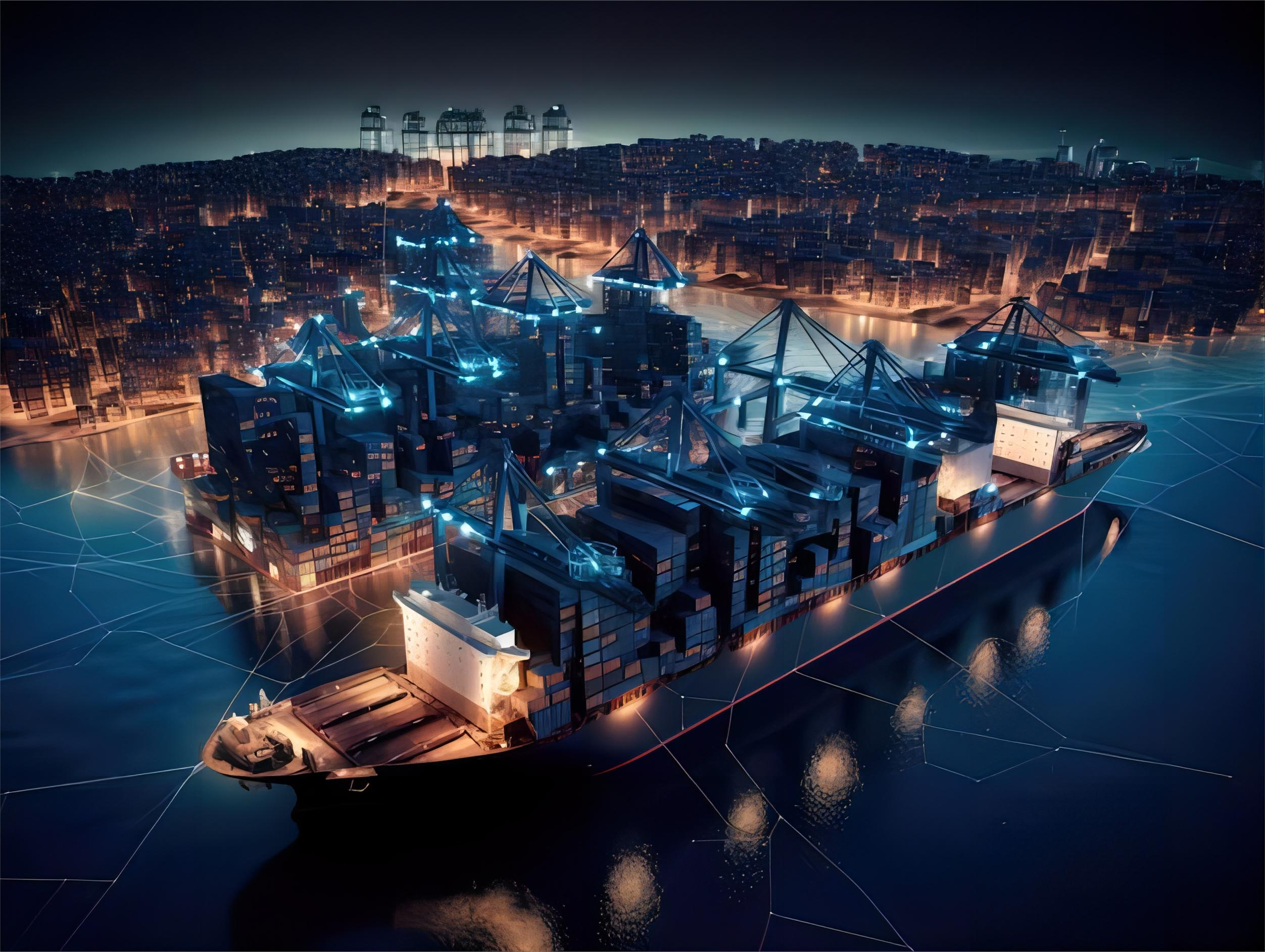
Navigating the complexities of amazon fba shipping china to canada requires a strategic approach to global logistics. As e-commerce demand continues to surge throughout 2026, sellers must find a balance between speed and cost-efficiency. This guide provides the essential insights needed to optimize your supply chain and ensure your products reach Canadian fulfillment centers seamlessly.

How Does Amazon FBA Shipping China to Canada Work in 2026?
Specifically, the process begins with manufacturing in China and ends at one of Amazon’s many Canadian fulfillment centers. Consequently, sellers must coordinate between suppliers, freight forwarders, and customs agents to maintain a steady flow of inventory. Furthermore, the 2026 market demands higher transparency and faster transit times than previous years.

Meanwhile, understanding the geographical distribution of Amazon warehouses in Canada is vital for minimizing domestic shipping costs. For instance, shipping to Vancouver is often cheaper and faster than shipping to Toronto or Montreal due to proximity to West Coast ports. Therefore, selecting the right port of entry can significantly impact your overall landed cost and delivery schedule.
Primary Logistics Channels: Sea vs Air Freight
When choosing between sea freight and air freight, volume and budget are the primary deciding factors. Indeed, sea freight offers the lowest cost per unit for large shipments, making it ideal for bulky or heavy items. However, the transit time typically ranges from 25 to 40 days depending on the final destination in Canada.
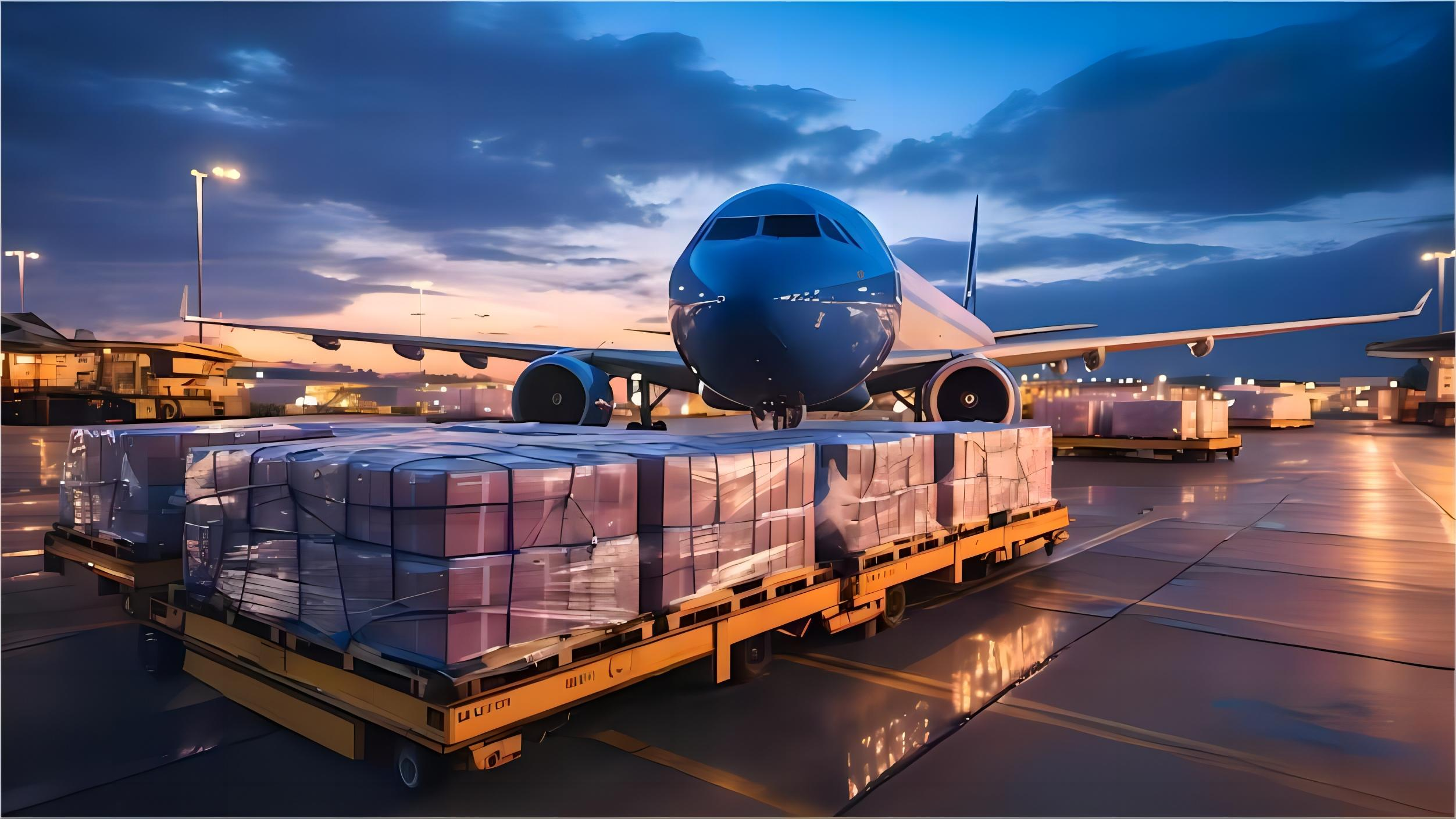
In contrast, air freight provides a much faster solution for urgent restocks or high-value electronics. Moreover, while the cost per kilogram is significantly higher, the reduced transit time of 5 to 10 days helps prevent out-of-stock scenarios. Additionally, air cargo handling is generally more secure, which reduces the risk of damage during the long journey from China.
| Shipping Method | Cost Range (2026) | Transit Time | Best For |
|---|---|---|---|
| Sea Freight (LCL) | $180 – $350 per CBM | 25 – 45 Days | Bulk inventory and heavy goods |
| Air Freight | $5.50 – $9.00 per kg | 6 – 12 Days | Urgent restocks and high value |
| Express Shipping | $8.00 – $14.00 per kg | 3 – 6 Days | Small samples and emergencies |
| Sea-Air Hybrid | $3.50 – $5.00 per kg | 15 – 20 Days | Balanced cost and speed |
How Does Sea Freight Compare to Other Shipping Options?
Analyzing the trade-offs between different shipping methods is crucial for maintaining a competitive edge in the Canadian market. For example, while sea freight costs $2,200 to $3,800 for a 20GP container, air freight for the same volume would be prohibitively expensive for most low-margin products. Consequently, most successful FBA sellers use sea freight for their main inventory and air freight for seasonal spikes.
Furthermore, sea freight reliability has improved in 2026 due to better port management in Vancouver and Prince Rupert. Nevertheless, rail congestion can still occur when moving goods from the West Coast to inland provinces like Ontario or Quebec. Therefore, always include a buffer of at least one week in your delivery schedule to account for potential inland transit delays.
The Specialized Role of Amazon FBA Logistics Providers
Utilizing a dedicated amazon fba service provider simplifies the complex requirements of labeling and palletizing. Specifically, Amazon has strict guidelines regarding how boxes are packed and how labels are applied to each unit. If these standards are not met, the fulfillment center may reject the shipment, leading to costly delays and additional handling fees.
Moreover, professional forwarders often provide value-added services such as quality inspections at the origin in China. In addition, they can consolidate multiple orders from different suppliers into a single shipment to reduce overall costs. Consequently, partnering with an expert ensures that your supply chain remains resilient and compliant with Amazon’s ever-evolving policies.
Understanding Customs Brokerage and Canadian Import Regulations
Navigating customs brokerage is often the most daunting part of importing goods into Canada. Every shipment must be cleared by the Canada Border Services Agency (CBSA), which requires accurate documentation and payment of duties. Furthermore, sellers must be aware of the Goods and Services Tax (GST) that applies to most imported commercial goods.
Indeed, having a licensed customs broker ensures that your Harmonized System (HS) codes are correct, preventing overpayment or legal penalties. For instance, incorrect classification of electronics can lead to significant fines and prolonged inspections at the port. Therefore, investing in professional brokerage services is a proactive way to safeguard your business from regulatory hurdles.
| Document Type | Purpose | Required By | Timing |
|---|---|---|---|
| Commercial Invoice | Valuation of goods | CBSA / Customs | At time of shipping |
| Packing List | Detailed inventory | Warehouse / Customs | At time of shipping |
| Bill of Lading | Title of goods | Carrier / Bank | Upon departure |
| FBA Labels | Amazon identification | Amazon Fulfillment | Before shipment |
Door to Door Logistics: Simplifying the Supply Chain
Many modern sellers prefer door to door shipping because it covers every step from the factory to the Amazon warehouse. Specifically, this service includes pickup, international transit, customs clearance, and final delivery to the designated FBA center. As a result, the seller does not need to manage multiple contracts or coordinate with different logistics entities.
Moreover, door-to-door solutions provide a single point of contact for tracking and troubleshooting. Consequently, if a delay occurs at a transshipment point, the forwarder is responsible for resolving the issue and keeping the seller informed. This comprehensive approach is particularly beneficial for new sellers who may not be familiar with the intricacies of international trade.
Real-World Case Studies: Successful Shipping to Canada
Case Study 1: Electronics Restock to Toronto. Route: Shenzhen to Toronto via Vancouver. Cargo: 450kg of smart home devices. Method: Air Freight. Total Cost: $3,650. Transit Time: 9 days. Key Insight: Choosing air freight allowed the seller to capitalize on a sudden market trend before competitors could restock via sea.
Case Study 2: Kitchenware Bulk Order to Montreal. Route: Ningbo to Montreal. Cargo: 15 CBM of stainless steel sets. Method: Sea Freight (LCL). Total Cost: $2,900. Transit Time: 38 days. Key Insight: By using LCL sea freight, the seller maintained high margins on heavy items that would have been unprofitable via air.
Case Study 3: Seasonal Apparel to Vancouver. Route: Shanghai to Vancouver. Cargo: 1 x 20GP Container. Method: Full Container Load (FCL). Total Cost: $2,400. Transit Time: 16 days. Key Insight: Direct sea routes to Vancouver are the most efficient way to handle high-volume seasonal inventory for the Canadian market.
Which Option Should You Choose? Decision Framework for 2026
Deciding on the best shipping method depends heavily on your specific business goals and product characteristics. If your priority is budget and you have a high volume of goods, sea freight is undoubtedly the superior choice. Conversely, if you are launching a new product and need to test the market quickly, air freight offers the necessary agility.
Specifically, consider the value-to-weight ratio of your products when making this decision. For instance, lightweight, high-value items like jewelry or specialized tech components are often better suited for air transport. On the other hand, heavy furniture or large toys should almost always be shipped via sea to remain price-competitive in the Canadian marketplace.
Final Thoughts on Canadian FBA Logistics
To summarize, mastering amazon fba shipping china to canada involves a careful analysis of costs, transit times, and regulatory requirements. By leveraging the right combination of sea and air freight, sellers can maintain healthy inventory levels while protecting their bottom line. Furthermore, partnering with experienced logistics providers ensures that customs and labeling challenges are handled professionally.
As the Canadian e-commerce landscape continues to evolve in 2026, staying informed about market trends and shipping rates will be essential. Always remember to plan your shipments well in advance to avoid peak season surcharges and port congestion. With a robust strategy in place, your Amazon business can thrive in the competitive Canadian market.

Ready to streamline your logistics?
Are you ready to optimize your amazon fba shipping china to canada for maximum profit? Contact our expert logistics team today to receive a customized quote and streamline your 2026 supply chain. Send Inquiry
Request Quote