

Amazon FBA Shipping China to USA: 2026 Comprehensive Logistics Guide
Amazon FBA shipping China to USA remains a cornerstone of global e-commerce success in 2026. Navigating this complex landscape requires a reliable partner like AI Logistics China to ensure your inventory arrives safely and on time. Consequently, understanding the nuances of international freight is essential for maintaining healthy profit margins. Sellers must balance speed and cost while adhering to strict Amazon compliance standards. This guide provides actionable insights into the latest logistics trends and shipping strategies for the current market.

What are the Primary Methods for Amazon FBA Shipping China to USA?
Choosing the right transportation mode is the first critical decision for any Amazon seller. Currently, most businesses rely on a mix of air and ocean transport to manage their supply chains effectively. Each method offers distinct advantages depending on your specific cargo volume and urgency.
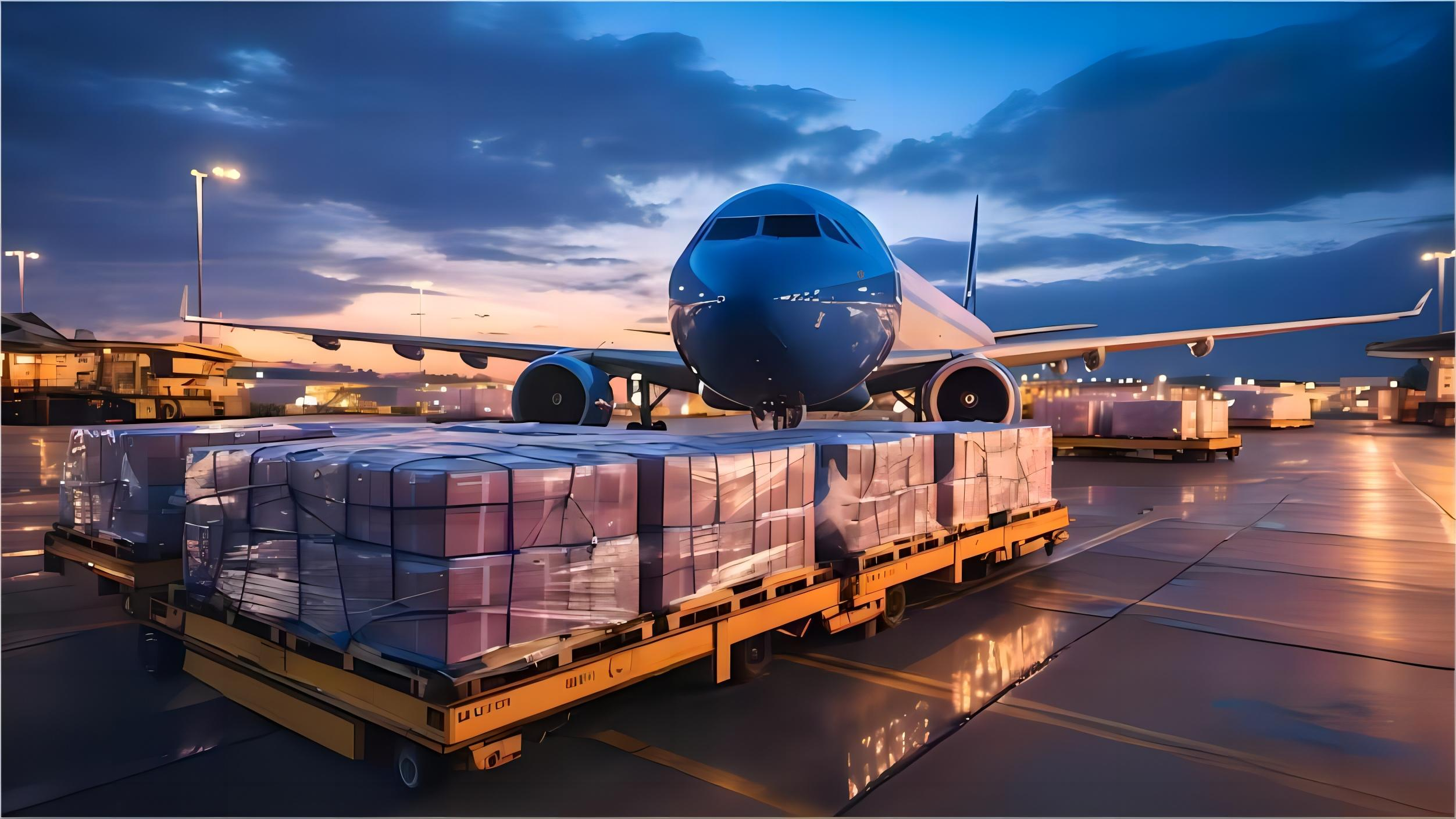
Specifically, Amazon FBA logistics often involve specialized services that handle everything from labeling to final delivery. Air freight provides the fastest turnaround, which is ideal for high-value items or urgent restocks. Meanwhile, sea freight remains the most economical choice for large-scale inventory shipments.
Express services like DHL or FedEx are also popular for smaller parcels under 100 kilograms. These services provide door-to-door convenience but come at a significant price premium. Therefore, many sellers utilize a hybrid approach to balance their inventory flow throughout the year.
Air Freight vs. Express Courier
Air freight is typically used for shipments over 150 kilograms where speed is still a priority. It involves moving cargo via commercial or cargo airlines to major US hubs. Once the goods arrive, a local truck or courier handles the final mile delivery to the Amazon fulfillment center.
In contrast, express courier services handle the entire process under a single tracking number. This method is incredibly efficient for sample testing or small batches. However, as your volume grows, the cost per kilogram becomes prohibitively expensive compared to standard air freight.
How Does Sea Freight Compare to Other Shipping Options?
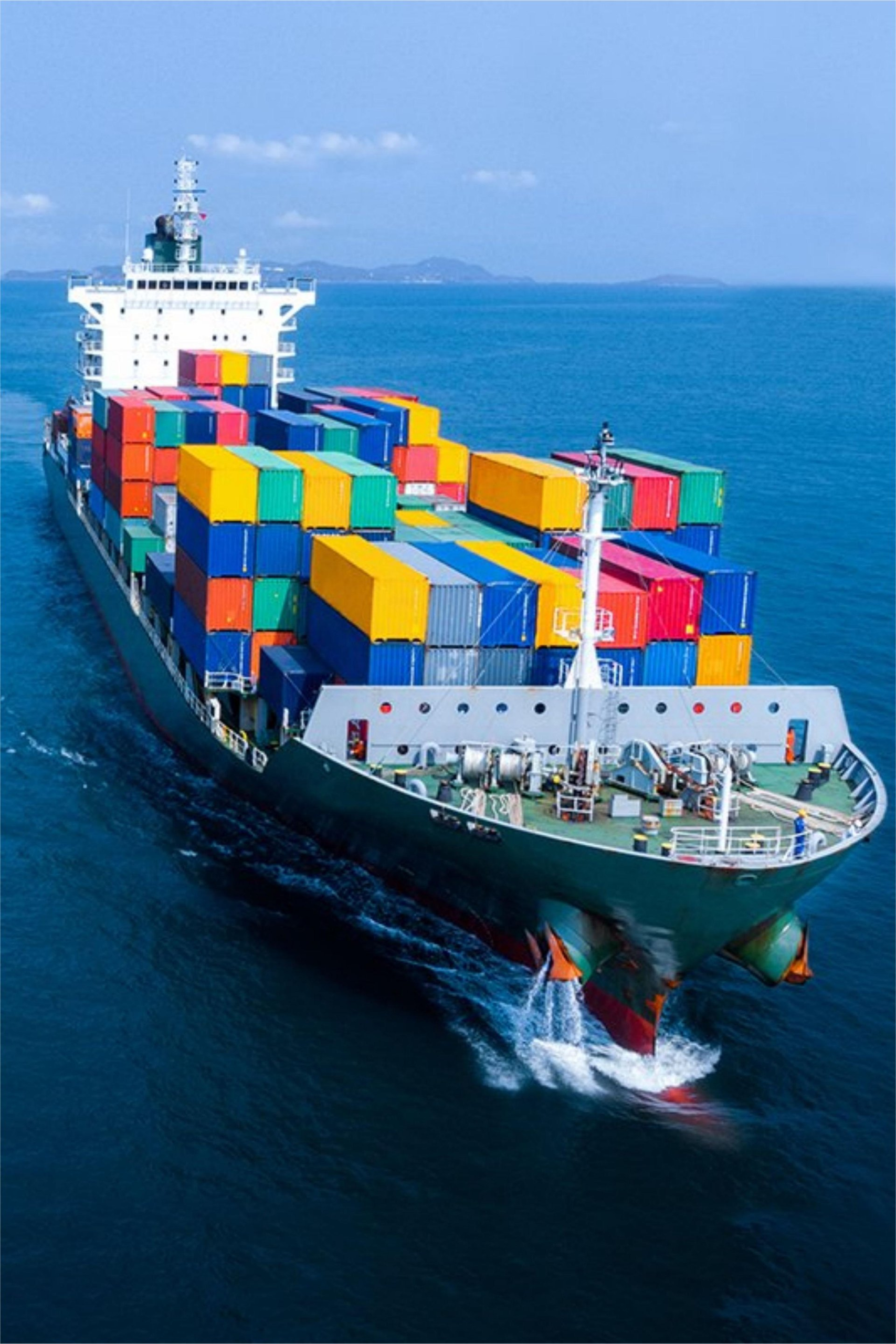
Sea freight is the backbone of international trade, especially for the China to USA route. Most sellers prefer sea freight when dealing with heavy or bulky items that do not require immediate delivery. It offers the lowest cost per unit, allowing for much higher competitive pricing on Amazon.
Moreover, ocean shipping is divided into Full Container Load (FCL) and Less than Container Load (LCL). FCL is faster and more secure as you have the entire container to yourself. LCL involves sharing space with other shippers, which is cost-effective for smaller volumes but may involve longer handling times.
Nevertheless, the transit times for sea freight are significantly longer than air options. Sellers must plan their inventory cycles at least two to three months in advance. During peak seasons, port congestion can further extend these timelines, making early booking a necessity.
| Shipping Method | Cost Range | Transit Time | Best For |
|---|---|---|---|
| Express Courier | $7.00 – $12.00 / kg | 3 – 7 Days | Urgent / Small Shipments |
| Air Freight | $4.50 – $8.50 / kg | 7 – 12 Days | High Value / Mid-size |
| Sea Freight (LCL) | $150 – $300 / CBM | 25 – 40 Days | Bulky / Low Margin |
| Sea Freight (FCL) | $3,000 – $5,500 / 40HQ | 18 – 35 Days | High Volume / Stable Demand |

Which Option Should You Choose for Your Inventory?
Deciding on a shipping strategy requires a clear understanding of your business priorities. If your primary goal is budget optimization, sea freight is the clear winner for shipments exceeding 2 cubic meters. This method minimizes the landed cost of your products, which is vital for high-competition niches.
On the other hand, if speed is your priority to avoid stockouts, air freight or express is necessary. Stockouts on Amazon can severely damage your organic ranking and sales velocity. Consequently, many successful sellers keep a small buffer of stock via air while the bulk of their inventory moves by sea.
Cargo type also plays a significant role in your decision-making process. Hazardous materials or items with large batteries may face stricter regulations and higher costs on aircraft. Always consult with your freight forwarder to ensure your specific product is eligible for your chosen shipping method.
Understanding the Cost Factors of Amazon FBA Shipping China to USA
Freight rates are not the only expense you will encounter when shipping from China. Many sellers overlook origin charges, such as trucking from the factory to the port and export documentation fees. These small costs can add up quickly if they are not factored into your initial projections.
Additionally, air freight and sea freight rates are subject to seasonal fluctuations. Rates typically spike during the months leading up to the Lunar New Year and the Q4 holiday season. In 2026, fuel surcharges have also remained a volatile component of the total shipping cost.
Import duties and taxes represent another significant portion of your landed cost. The US Customs and Border Protection (CBP) applies tariffs based on the Harmonized Tariff Schedule (HTS) code of your product. Furthermore, Section 301 tariffs on Chinese goods may still apply to various categories, impacting your final bill.
| Route | 20GP Container | 40HQ Container | Avg. Transit |
|---|---|---|---|
| Shenzhen to Los Angeles | $2,100 – $2,800 | $3,200 – $4,100 | 15 – 20 Days |
| Shanghai to New York | $3,400 – $4,200 | $4,800 – $6,200 | 30 – 38 Days |
| Ningbo to Savannah | $3,200 – $4,000 | $4,600 – $5,900 | 32 – 40 Days |
| Qingdao to Seattle | $2,000 – $2,700 | $3,100 – $3,900 | 18 – 22 Days |
What Customs Documentation is Required for USA Imports?
Proper documentation is the key to avoiding costly delays at the US border. Every shipment must be accompanied by a Commercial Invoice, a Packing List, and a Bill of Lading. These documents provide the necessary details for customs officials to assess the value and legality of your goods.
Utilizing a professional customs brokerage service is highly recommended for Amazon sellers. Brokers ensure that your HTS codes are accurate and that you comply with all federal regulations. Indeed, incorrect filings can result in heavy fines or even the seizure of your inventory.
Moreover, you must have a Customs Bond in place for all commercial entries valued over $2,500. You can choose between a single-entry bond or a continuous bond. If you plan on shipping multiple times per year, a continuous bond is much more cost-effective and efficient.
| Document Name | Purpose | Provider | Requirement |
|---|---|---|---|
| Commercial Invoice | States value and description | Supplier | Mandatory |
| Packing List | Details weight and dimensions | Supplier | Mandatory |
| Bill of Lading | Contract of carriage | Carrier | Mandatory |
| ISF (10+2) | Security filing for ocean | Importer | Ocean Only |
| Customs Bond | Guarantee of payment | Surety Co | Mandatory >$2500 |
How to Manage Transit Times and Delivery Schedules in 2026?
Managing delivery schedules requires a proactive approach to logistics management. In 2026, many sellers are opting for door to door solutions to simplify their operations. This service covers the entire journey from the Chinese factory floor to the Amazon warehouse floor.
Transit times vary significantly based on the port of entry in the United States. West Coast ports like Los Angeles and Long Beach offer the fastest routes from China. Conversely, East Coast ports require transit through the Panama Canal or the Suez Canal, adding several weeks to the journey.
Furthermore, Amazon’s internal processing time must be accounted for in your planning. Once your goods arrive at the fulfillment center, it can take several days for them to be checked in and made available for sale. During peak seasons, this check-in time can extend to two weeks or more.
Real-World Case Studies: Successful FBA Shipments
Case Study 1: Electronics Restock. A seller moved 500 units of smart home devices from Shenzhen to Los Angeles. They chose air freight to meet a promotion deadline. Route: Shenzhen (SZX) to Los Angeles (LAX). Cargo: 1.2 CBM, 280 kg. Cost: $1,850. Transit Time: 9 days total. Key Insight: Using air freight allowed the seller to maintain their Best Seller Badge during a sudden demand spike.
Case Study 2: Bulk Furniture Shipment. A brand shipped a full 40HQ container of office chairs from Ningbo to Savannah. Route: Ningbo to Savannah via Panama Canal. Cargo: 65 CBM. Cost: $5,400 (Ocean Freight + Port Charges). Transit Time: 36 days. Key Insight: FCL shipping reduced the per-unit cost by 40% compared to previous LCL shipments, significantly increasing their margin.
Case Study 3: Small Fashion Batch. An apparel startup used LCL for 3 CBM of clothing from Shanghai to New York. Cost: $850. Transit Time: 42 days. Key Insight: LCL allowed the brand to test a new product line without the high cost of a full container, though port congestion in NY added 5 days to the original estimate.
What are the Latest Logistics Trends for 2026?
Technological integration is the most prominent trend in the 2026 logistics market. Real-time tracking and AI-driven demand forecasting are helping sellers minimize inventory overhead. Additionally, green logistics initiatives are becoming more common as carriers invest in eco-friendly fuels and vessels.
Market data suggests that freight rates have stabilized following the volatility seen in previous years. However, geopolitical shifts continue to influence trade routes and port efficiency. Smart sellers are diversifying their manufacturing and shipping routes to mitigate these external risks.
Finally, Amazon’s own logistics network continues to expand, offering more options for domestic transshipment. By shipping to a regional hub and letting Amazon handle the distribution, sellers can often save on long-haul trucking costs within the USA. This strategy requires precise coordination and accurate labeling at the origin.
Mastering Your Supply Chain
Successfully managing Amazon FBA shipping China to USA is a vital skill for any serious e-commerce entrepreneur. By understanding the different shipping methods, cost drivers, and customs requirements, you can build a resilient supply chain that supports long-term growth.
Always remember to stay informed about market trends and maintain a flexible shipping strategy. Whether you choose the speed of air or the economy of the sea, the right logistics partner will make all the difference in your business journey. Start optimizing your Amazon FBA shipping China to USA today to secure your competitive edge in 2026.

Need a tailored shipping solution?
Ready to streamline your Amazon FBA shipping China to USA? Contact AI Logistics China today for a personalized freight quote and expert guidance on your next shipment. Visit our website to learn more about our comprehensive logistics solutions and start saving on your shipping costs today. Visit https://ailogisticschina.com/ to get started.