


Container Shipping China to UK: 2026 Guide to Costs and Transit
Navigating the complexities of container shipping China to UK requires a clear understanding of current market dynamics and logistics strategies. As a leading provider of global supply chain solutions, AI Logistics China helps businesses streamline their import operations through optimized routing and competitive pricing. This comprehensive guide explores the essential factors influencing your shipping decisions in 2026, from selecting the right container size to managing customs clearance at major British ports. Whether you are a seasoned importer or a newcomer to international trade, understanding these variables is crucial for maintaining an efficient supply chain.
The Current State of Container Shipping China to UK in 2026
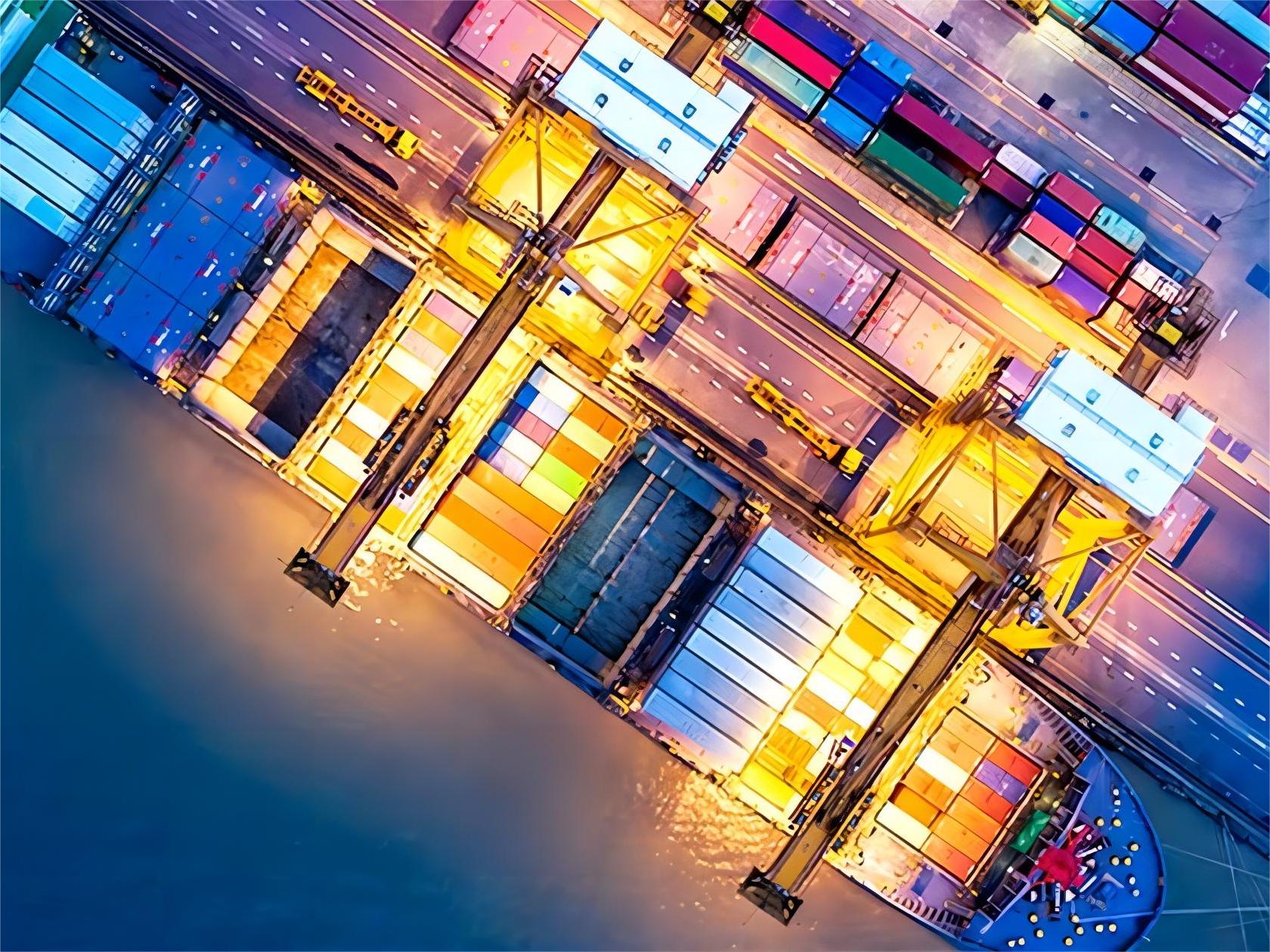
Market conditions for container shipping China to UK have stabilized significantly in early 2026 following the infrastructure adjustments of previous years. Furthermore, global carriers have introduced more fuel-efficient vessels to the Asia-Europe lane, which has helped moderate the impact of fluctuating energy prices on overall freight rates.
Importers now benefit from increased schedule reliability as port automation in both Shanghai and Felixstowe reduces turnaround times. Consequently, businesses can plan their inventory cycles with greater precision than was possible during the volatile periods of the mid-2020s.
Nevertheless, seasonal demand shifts still play a major role in determining container availability and pricing. For instance, the pre-Lunar New Year rush and the late summer peak season continue to exert upward pressure on ocean freight rates 2026 across all major shipping lines.
Indeed, staying informed about these trends is vital for any company relying on consistent product flow from Chinese manufacturing hubs to British consumers. Meanwhile, new environmental regulations in the UK have prompted a shift toward greener logistics solutions, influencing how carriers operate within the English Channel.
Understanding FCL vs LCL for UK Imports
Choosing between Full Container Load (FCL) and Less than Container Load (LCL) is one of the most critical decisions for your logistics strategy. When you utilize sea freight, FCL offers a dedicated space for your goods, which typically results in faster transit and lower risk of damage.
Moreover, FCL shipping is often more cost-effective if your cargo volume exceeds 15 cubic meters. On the other hand, LCL allows you to share container space with other shippers, making it an ideal choice for smaller consignments that do not require a full 20ft or 40ft unit.
Additionally, LCL shipments require more handling at consolidation and deconsolidation warehouses, which can add a few days to the total shipping time from Ningbo to Southampton. Therefore, you must weigh the cost savings of LCL against the speed and security advantages of FCL for each specific shipment.
Consequently, many UK retailers prefer FCL for their core product lines while using LCL for sample orders or low-volume niche items. Without a doubt, the right choice depends on your specific volume, budget, and delivery requirements.
Major Ports for Container Shipping China to UK
Selecting the optimal port of loading in China and the port of discharge in the UK can significantly impact your inland haulage costs. Most container shipping China to UK operations originate from massive hubs like Shanghai, Ningbo-Zhoushan, or Shenzhen, which offer multiple weekly departures.
Furthermore, the UK features several world-class container terminals, including Felixstowe, Southampton, and London Gateway. Each port offers different advantages regarding geographical location and proximity to major distribution centers in the Midlands and the North.
For example, Felixstowe handles nearly 40 percent of the UK’s containerized trade, providing excellent connectivity but occasionally facing UK port congestion 2026 during peak periods. In contrast, Liverpool is becoming an increasingly popular choice for cargo destined for Northern England and Scotland.
Accordingly, you should coordinate with your freight forwarder to determine which port alignment minimizes the total transit time and road transport expenses. Meanwhile, the expansion of the Port of Tilbury has provided more options for those targeting the London metropolitan area.
How Does Sea Freight Compare to Other Shipping Options?
While ocean transport remains the backbone of trade between China and the UK, alternative methods offer different balances of speed and cost. For instance, rail transport via the Silk Road has regained popularity for shippers seeking a middle ground between slow sea routes and expensive air travel.
Additionally, air transport remains the fastest way to move high-value or time-sensitive goods, though its cost is substantially higher. Therefore, comparing these methods side-by-side helps you identify the most efficient strategy for different product categories within your supply chain.
| Shipping Method | Cost Range | Transit Time | Best For |
|---|---|---|---|
| Sea Freight (FCL) | $3,200 – $4,800 | 30 – 38 Days | Bulk goods, high volume |
| Rail Freight | $5,500 – $7,500 | 18 – 22 Days | Medium value, urgent stock |
| Air Freight | $5.50 – $9.50/kg | 3 – 7 Days | Electronics, fashion, samples |
| Sea-Air Hybrid | $3,000 – $5,000 | 15 – 20 Days | Cost-speed balance |

Which Option Should You Choose?
Determining the best shipping method requires a clear framework based on your business priorities. If your primary goal is minimizing 20ft container shipping costs, then standard sea freight via a direct service is almost always the superior choice.
However, if you are facing a stock-out situation or a tight promotional deadline, the higher expense of rail or air may be justified. For shipments under 100kg, express services often provide the best value due to their all-inclusive nature and door to door shipping UK capabilities.
Moreover, cargo type plays a significant role in the decision-making process. Heavy machinery is naturally suited for sea containers, while perishable goods or high-end electronics often require the speed of air transport to minimize inventory carrying costs.
Consequently, we recommend a hybrid approach for many businesses, where the majority of stock moves by sea and urgent replenishment is handled via faster modes. This strategy ensures a resilient supply chain that can adapt to unexpected market fluctuations.
Estimated Costs for Container Shipping China to UK
Understanding the breakdown of 40ft container freight rates is essential for accurate landed cost calculations. Beyond the base ocean freight, you must account for terminal handling charges, documentation fees, and local delivery costs at both ends of the journey.
Furthermore, fuel surcharges, often referred to as BAF (Bunker Adjustment Factor), can vary monthly based on global oil markets. Additionally, peak season surcharges may apply during the busiest months of the year, typically from August to October.
Indeed, it is important to remember that the cheapest way to ship to UK is not always the most reliable. Sometimes, paying a slight premium for a premium carrier can save thousands in potential delay penalties or lost sales.
Note: Freight rates are subject to change based on fuel costs, carrier capacity, and seasonal demand. Contact us for a current quote tailored to your specific shipment.
| Container Type | Low Season Rate | Peak Season Rate | Average Time |
|---|---|---|---|
| 20ft GP | $2,100 | $2,900 | 34 Days |
| 40ft GP | $3,300 | $4,400 | 34 Days |
| 40ft HQ | $3,600 | $4,700 | 34 Days |
| LCL (per CBM) | $65 | $95 | 40 Days |
Transit Times and Delivery Schedules
The sea freight transit times from China to the UK generally range between 30 and 40 days depending on the specific port pair and vessel speed. Direct services from Southern China ports like Yantian to Felixstowe are typically the fastest options available in the market.
Meanwhile, transshipment services via ports like Singapore or Colombo may take longer but often come with more competitive pricing. Consequently, you should choose your service level based on how quickly you need the inventory to reach your warehouse.
For instance, shipping from Ningbo to Southampton typically takes about 32 days on a direct line. In contrast, a route involving multiple stops across Southeast Asia might extend the journey to 42 days or more.
Therefore, we advise clients to build a buffer of at least 7 days into their delivery schedules to account for potential weather delays or customs inspections. According to industry benchmarks, schedule reliability for the Asia-Europe lane is currently hovering around 75 percent.
| Origin Port | UK Destination | Direct Transit | Transshipment |
|---|---|---|---|
| Shanghai | Felixstowe | 32 Days | 40 Days |
| Shenzhen | Southampton | 30 Days | 38 Days |
| Ningbo | London Gateway | 33 Days | 41 Days |
| Qingdao | Liverpool | 36 Days | 45 Days |
Customs Clearance and Documentation Requirements
Successful container shipping China to UK hinges on accurate documentation and compliance with HM Revenue and Customs (HMRC) regulations. You must ensure that your business has a valid EORI number and that all commercial invoices correctly reflect the value and nature of the goods.
Furthermore, utilizing a professional customs brokerage service can prevent costly delays and penalties at the border. They will assist with classifying your goods under the correct commodity codes to ensure accurate import duties from China to UK are paid.
Additionally, the Bill of Lading serves as the most important document in the shipping process, acting as a title to the goods and a contract of carriage. Consequently, any errors in this document can lead to significant problems during the cargo release process at the port.
Indeed, understanding the specific UK import VAT calculations and Postponed VAT Accounting (PVA) can significantly improve your business’s cash flow. Meanwhile, staying updated on the latest trade agreements between the UK and China is essential for long-term strategic planning.
Alternative Shipping Strategies: Rail and Air
Beyond traditional sea routes, many businesses are exploring rail freight as a viable alternative for their container shipping China to UK needs. The iron silk road provides a faster transit time than sea, often reaching UK terminals in just under three weeks.
Moreover, air freight remains the ultimate solution for high-priority cargo that must arrive within days. While the costs are higher, the reduction in lead time can provide a significant competitive advantage in fast-moving industries like fashion or technology.
In addition, some forwarders offer sea-air hybrid solutions, where cargo is shipped by sea to a hub like Dubai and then flown the rest of the way to the UK. This approach offers a balanced cost and speed profile that suits many mid-market enterprises.
Therefore, diversifying your shipping methods allows you to mitigate risks such as port strikes or regional instability. Consequently, a multi-modal strategy is often the most resilient way to manage a modern international supply chain.
Door to Door Solutions for UK Businesses
Managing every step of the logistics chain can be overwhelming, which is why many importers opt for door to door services. This comprehensive option covers everything from factory pickup in China to final delivery at your UK warehouse or office.
Furthermore, this model simplifies the process by providing a single point of contact and one all-inclusive price. This transparency is particularly beneficial for small and medium-sized enterprises that may not have dedicated in-house logistics teams.
Additionally, door to door shipping UK ensures that local haulage and customs clearance are handled seamlessly, reducing the risk of communication gaps between different service providers. As a result, you can focus on your core business activities while the freight forwarder manages the operational details.
Consequently, the peace of mind offered by an end-to-end solution often outweighs the slight premium over port-to-port shipping. Indeed, it is the most efficient way to ensure your container shipping China to UK experience is hassle-free.
Real Case Studies
Case Study 1: Electronics Import Success +———————————————————+ | Route: Shenzhen, China to Felixstowe, UK | | Cargo: Consumer Electronics, 28 CBM, 4500 kg | | Container: 40ft HQ | | | | Shipping Details: | | – Carrier: Major Ocean Carrier | | – Port of Loading: Shenzhen (Yantian) | | – Port of Discharge: Felixstowe | | – Route Type: Direct | | | | Cost Breakdown: | | – Ocean Freight: $3,850 | | – Origin Charges: $420 | | – Destination Charges: $580 | | – Customs & Duties: $1,200 (Estimated) | | – Total Landed Cost: $6,050 | | | | Timeline: | | – Booking to Loading: 4 days | | – Sea Transit: 31 days | | – Customs Clearance: 2 days | | – Total Door-to-Door: 42 days | | | | Key Insight: Direct routing minimized handling risks. | +———————————————————+
Case Study 2: Furniture LCL Optimization +———————————————————+ | Route: Ningbo, China to London Gateway, UK | | Cargo: Office Furniture, 8 CBM, 1200 kg | | Container: LCL Share | | | | Shipping Details: | | – Carrier: LCL Consolidation Service | | – Port of Loading: Ningbo | | – Port of Discharge: London Gateway | | – Route Type: Transshipment via Singapore | | | | Cost Breakdown: | | – Ocean Freight: $680 | | – Origin Charges: $150 | | – Destination Charges: $320 | | – Customs & Duties: $450 (Estimated) | | – Total Landed Cost: $1,600 | | | | Timeline: | | – Booking to Loading: 6 days | | – Sea Transit: 39 days | | – Customs Clearance: 3 days | | – Total Door-to-Door: 55 days | | | | Key Insight: LCL was 60% cheaper than a 20ft FCL. | +———————————————————+
Typical rates as of early 2026 suggest that these case studies reflect standard market performance. However, individual results may vary based on specific cargo requirements and seasonal fluctuations.
Mastering Your Container Shipping China to UK Strategy
In conclusion, successful container shipping China to UK requires a strategic approach that balances cost, speed, and reliability. By understanding the differences between FCL and LCL, selecting the right ports, and staying informed about 2026 market trends, you can build a robust supply chain that supports your business growth.
Furthermore, working with an experienced freight forwarder ensures that your documentation is accurate and your customs clearance process is seamless. Whether you choose sea, rail, or air freight, the key is to remain flexible and proactive in your logistics planning.
Ultimately, the goal is to minimize your container shipping China to UK expenses while maintaining the high service levels your customers expect. We hope this guide has provided the insights you need to make informed decisions for your upcoming shipments.

Ready to streamline your logistics?
Ready to optimize your supply chain with reliable container shipping China to UK? Contact AI Logistics China today for a personalized quote and expert guidance on your next shipment. Our team is standing by to help you navigate the complexities of international trade and ensure your goods arrive on time and within budget. Send Inquiry to get started.
Request Quote