


2026 Shipping Quote China to USA: Complete Freight Cost Guide
Navigating the complexities of international logistics requires expertise and precision. If you are seeking a reliable shipping quote China to USA, understanding the current market landscape is essential for your budget. Consequently, this guide provides the latest data on rates, methods, and delivery timelines to help you optimize your supply chain in 2026. Whether you are a first-time importer or an experienced logistics manager, these insights will ensure you secure the most cost-effective solution.

What Factors Influence Your Shipping Quote China to USA?
Several variables impact the final price you pay for logistics services when moving goods across the Pacific. For instance, the weight and volume of your cargo are primary drivers of cost. Additionally, seasonal demand fluctuations often lead to significant price spikes during peak shipping periods such as the lead-up to the holidays.
Fuel surcharges represent another critical component that fluctuates based on global energy market trends. Moreover, the choice of port can alter your pricing significantly. Shipping to the West Coast is generally cheaper than shipping to the East Coast due to the shorter distance traveled across the ocean.
Customs duties and taxes are often overlooked but contribute heavily to the total landed cost of your products. Furthermore, the type of commodity you are transporting may require special handling or permits. Therefore, providing accurate product descriptions is vital for obtaining a precise estimate from your freight forwarder.
Service levels also play a major role in the final tally of your logistics expenses. Choosing between port-to-port and door-to-door services will change the complexity and the price of the operation. Consequently, you must define your requirements clearly to avoid unexpected surcharges during the transit process.
How Much Does Sea Freight Cost from China to the US in 2026?
Most businesses prefer sea freight due to its cost-effectiveness for large volumes of inventory. Currently, shipping a 40HQ container from Shanghai to Los Angeles ranges between 2800 and 3800 dollars. In contrast, shipping to the East Coast via New York usually costs between 4500 and 6000 dollars due to longer transit times and canal fees.
Less than Container Load options allow smaller businesses to share space and reduce their overall spend. Specifically, LCL rates are calculated per cubic meter, making it ideal for shipments that do not fill a whole container. However, you should be aware that LCL involves more handling and potentially longer wait times at the warehouse.
Market data suggests that rates have stabilized in early 2026 compared to the volatile fluctuations seen in previous years. Nevertheless, booking your space at least three to four weeks in advance is still recommended to secure the best possible pricing. Indeed, last-minute bookings often incur premium rates that can drain your profit margins.
Note: Freight rates are subject to change based on fuel costs, carrier capacity, and seasonal demand. Contact us for a current quote tailored to your specific shipment.
| Container Type | China to USA West | China to USA East | Transit Time |
|---|---|---|---|
| 20GP Container | $1,500 – $2,200 | $2,500 – $3,500 | 14-18 Days |
| 40GP Container | $2,500 – $3,500 | $4,000 – $5,500 | 18-25 Days |
| 40HQ Container | $2,800 – $3,800 | $4,500 – $6,000 | 18-35 Days |
| LCL (per CBM) | $60 – $90 | $90 – $130 | 25-40 Days |
Why Should You Consider Air Freight for Urgent Shipments?
When speed is your top priority, air freight remains the most effective solution for your supply chain. Although the cost is higher than ocean transport, the reduced transit time allows for faster inventory turnover and better cash flow. Typically, air freight rates in 2026 hover between 5.50 and 9.00 dollars per kilogram for shipments over 100kg.
Perishable goods and high-value electronics benefit most from the security and speed of air transport. Additionally, the risk of damage is significantly lower compared to sea transport because of reduced handling stages. Therefore, many premium brands choose air transport to maintain product integrity and meet tight market deadlines.
Capacity in the air cargo market has expanded recently with more passenger flights returning to full service. Consequently, shippers can find more frequent departure schedules from major hubs like Shenzhen and Guangzhou. Meanwhile, staying informed about airport congestion can help you avoid delays during peak seasons like the Chinese New Year.
To summarize, air freight is the best choice when the cost of a stockout exceeds the additional shipping expense. For instance, if a production line is down, the premium paid for air transport is easily justified. Always compare the total cost of air versus sea to determine which fits your current business strategy.
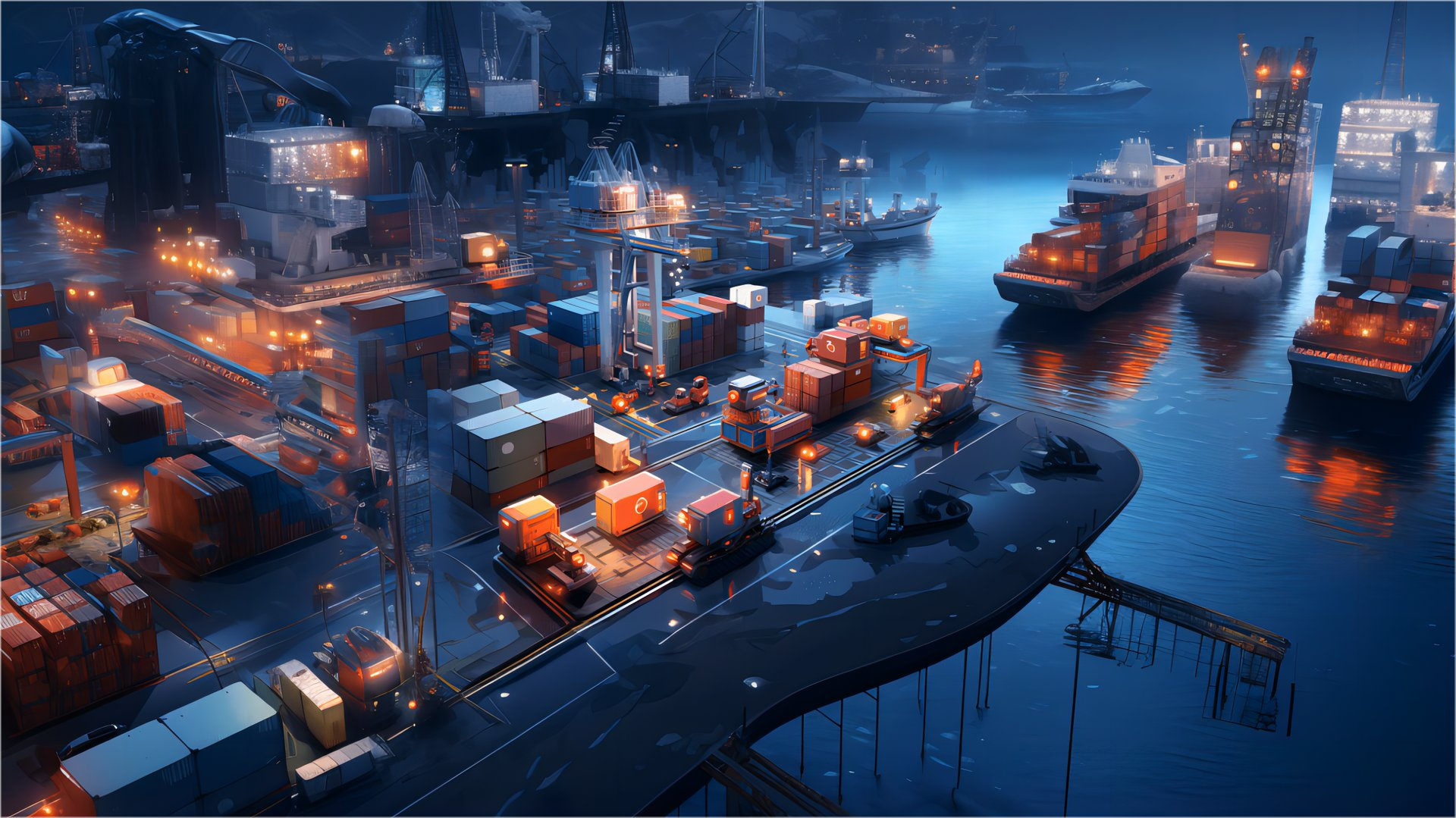
How Does Sea Freight Compare to Other Shipping Options?
Selecting the right method depends on your specific balance of cost, speed, and cargo volume. Sea freight offers the lowest price per unit but requires careful planning due to longer lead times. On the other hand, air freight provides rapid delivery at a premium price point for smaller or more valuable batches.
Alternative strategies like sea-air hybrid solutions are gaining popularity among savvy logistics managers. This method involves shipping goods by sea to a hub like Dubai or Singapore and then flying them to the final destination. As a result, you save about 30 percent on time compared to pure sea freight while keeping costs lower than pure air freight.
Rail freight is a viable alternative for shipments within Eurasia, but for China to USA routes, it is not a direct option. Instead, focusing on the choice between FCL and LCL within sea freight is where most cost-saving opportunities lie. For example, shipments over 15 CBM are usually more economical when sent as a full 20GP container.
Direct routes cost 10 to 15 percent more but save 5 to 7 days compared to transshipment via intermediate ports. Consequently, you must decide if the time saved justifies the higher freight rate for your specific business model.
| Shipping Method | Cost Range | Transit Time | Best For |
|---|---|---|---|
| Sea Freight FCL | Low ($2k-$6k) | 15-35 Days | Bulk Goods |
| Sea Freight LCL | Medium ($60/CBM+) | 25-45 Days | Small Batches |
| Air Freight | High ($5-$9/kg) | 3-7 Days | Urgent/Value |
| Express Courier | Very High | 2-5 Days | Samples/Docs |
What Are the Specific Costs for Amazon FBA Sellers?
Shipping directly to Amazon fulfillment centers requires strict adherence to labeling and packaging standards. Our specialized Amazon FBA services ensure your goods meet all requirements before arriving at the warehouse. As a result, you avoid costly delays and the potential rejection of your inventory by Amazon staff.
Freight rates for FBA shipments often include customs clearance and delivery to the specific Amazon warehouse code. Furthermore, using a freight forwarder with experience in FBA can help you navigate the complexities of Appointment Scheduling. This ensures your products are checked in quickly so you can start selling without unnecessary downtime.
Landed costs for FBA sellers must include the cost of shipping, duties, and any preparation services like palletizing. Additionally, many sellers use LCL shipping to maintain a steady flow of inventory without overstocking. Consequently, managing your shipping quote China to USA effectively is a key component of Amazon’s success.
Moreover, in 2026, Amazon has implemented stricter rules regarding container loading and unloading efficiency. Therefore, working with a logistics partner who understands these evolving requirements is more important than ever. Indeed, the right partner can save you thousands in storage fees and non-compliance penalties.
Which Option Should You Choose for Your Business?
Budget priority dictates that you should recommend sea freight for almost all large-scale manufacturing imports. However, if speed is your priority for a product launch, air freight is the only logical recommendation. You must evaluate the urgency of your inventory needs against the available capital in your business.
Cargo type considerations also play a major role in your decision-making process. For instance, heavy machinery is almost exclusively shipped via sea because of weight restrictions on aircraft. In contrast, lightweight, high-value items like jewelry or specialized electronics are perfect candidates for air or express services.
Volume thresholds for switching methods are another critical factor to monitor. Once your shipment exceeds 15 to 20 cubic meters, the cost of a full container often becomes cheaper than LCL. Accordingly, consolidating multiple smaller orders into one large shipment can lead to significant long-term savings.
Without a doubt, the most successful importers are those who remain flexible with their shipping strategies. They use sea freight for their baseline stock and air freight for seasonal spikes or unexpected surges in demand. This balanced approach ensures high service levels while keeping the average shipping cost per unit manageable.
Real Case Studies: Shipping Quote China to USA Examples
Case Study 1: Furniture Import Success. Route: Foshan, China to Los Angeles, USA. Cargo: Home furniture, 65 CBM. Container: 40HQ. Shipping Details: Major carrier, Port of Loading: Shenzhen, Port of Discharge: Los Angeles. Route Type: Direct. Cost Breakdown: Ocean Freight: $3,200. Origin Charges: $450. Destination Charges: $600. Customs: $1,200. Total Landed Cost: $5,450. Timeline: Booking to Loading: 4 days. Sea Transit: 15 days. Customs Clearance: 2 days. Total Door-to-Door: 21 days. Key Insight: Booking early in Q1 2026 secured a rate 15 percent below the peak season average.
Case Study 2: Electronics Components. Route: Shanghai, China to Chicago, USA. Cargo: PCB Boards, 2 CBM, 450 kg. Method: Air Freight. Shipping Details: Carrier: Major airline, Port of Loading: Shanghai Pudong, Port of Discharge: O’Hare International. Route Type: Direct. Cost Breakdown: Air Freight: $2,925 ($6.50/kg). Origin Charges: $150. Destination Charges: $200. Customs: $400. Total Landed Cost: $3,675. Timeline: Booking to Loading: 2 days. Air Transit: 1 day. Customs Clearance: 1 day. Total Door-to-Door: 4 days. Key Insight: Using air freight prevented a production shutdown that would have cost the client $10,000 per day.
Case Study 3: Small Business Apparel. Route: Ningbo, China to Savannah, USA. Cargo: Cotton T-shirts, 8 CBM. Container: LCL. Shipping Details: Carrier: Major ocean line, Port of Loading: Ningbo, Port of Discharge: Savannah. Route Type: Transshipment. Cost Breakdown: Ocean Freight: $880 ($110/CBM). Origin Charges: $200. Destination Charges: $350. Customs: $900. Total Landed Cost: $2,330. Timeline: Booking to Loading: 5 days. Sea Transit: 32 days. Customs Clearance: 3 days. Total Door-to-Door: 40 days. Key Insight: LCL was the most economical choice for this volume, despite the longer transit time.

How to Navigate Customs Brokerage and Duties?
Clearing customs is often the most stressful part of the international shipping process for many importers. However, hiring a professional for door to door service can simplify this significantly. These experts ensure that all paperwork, including the Commercial Invoice and Bill of Lading, is perfectly accurate.
Incorrect HTS codes can lead to expensive fines or even the seizure of your goods by US Customs and Border Protection. Therefore, you should verify your product classification before the goods ever leave China. Additionally, being aware of Section 301 tariffs is crucial for calculating your total landed cost accurately in 2026.
Documentation checklists should include the Packing List, Certificate of Origin, and any necessary permits for regulated goods. Moreover, keeping digital copies of all records for at least five years is a legal requirement for US importers. Consequently, organized record-keeping is not just a good practice but a necessity for compliance.
Indeed, the peace of mind provided by a reliable customs broker is worth the additional fee. They act as your advocate and intermediary with government agencies, ensuring a smooth flow of goods. For instance, they can help you navigate complex issues like anti-dumping duties or environmental regulations.
Final Thoughts on Securing Your Shipping Quote China to USA
Summarizing your logistics strategy requires a careful evaluation of all available options in the 2026 market. Whether you choose the speed of air transport or the massive capacity of sea freight, the key is planning and partnership. By understanding the factors that drive costs, you can make informed decisions that protect your bottom line.
Securing a competitive shipping quote China to USA is easier when you work with experienced professionals who understand the nuances of the route. Remember to factor in all costs, including duties and local delivery, to get a true picture of your expenses. We are here to help you navigate every step of the journey from the factory floor to your customer’s door.

Need a tailored shipping solution?
Securing an accurate shipping quote China to USA is the first step toward a more profitable and efficient supply chain. Our team of logistics experts is ready to provide you with a customized solution that fits your specific budget and timeline. Contact us today to receive a competitive rate and experience the difference that professional freight management can make for your business.