

Shipping Rates China to Japan: 2026 Cost and Logistics Guide
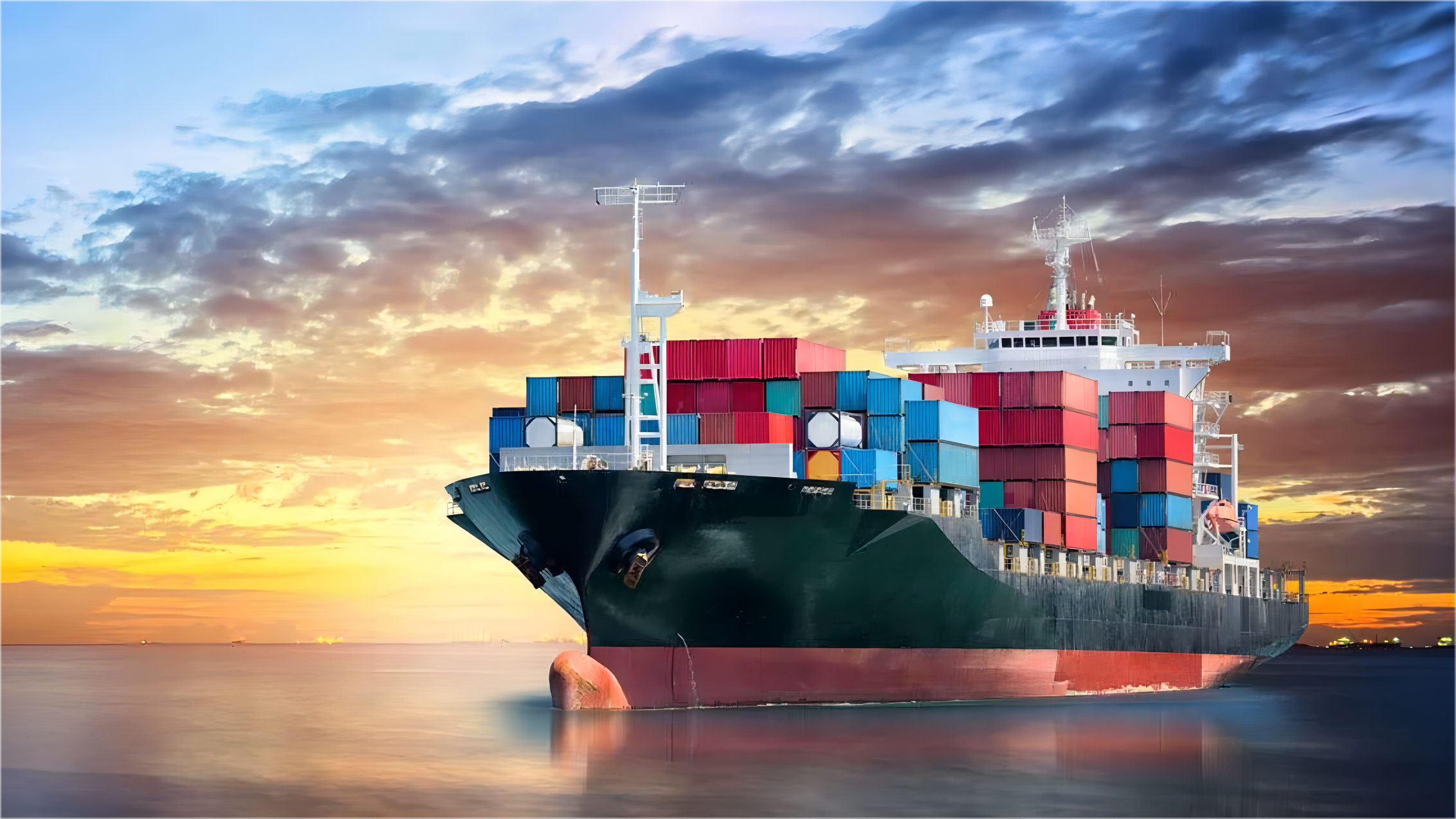
Navigating the current market for shipping rates China to Japan requires a strategic approach to balance speed and cost effectively. As of Q1 2026, many businesses are looking for reliable partners like ailogisticschina.com to handle their complex logistics needs. Consequently, understanding the nuances of freight pricing is essential for maintaining a competitive edge in the Japanese market. This guide provides a detailed breakdown of costs, transit times, and the best shipping methods available today.
What Factors Determine Shipping Rates China to Japan?
Understanding the primary drivers of shipping rates China to Japan allows importers to budget more accurately for their 2026 operations. Specifically, fuel surcharges and carrier capacity remain the most volatile elements affecting the total landed cost of goods. Furthermore, the choice between sea freight and other modes significantly impacts the baseline price per kilogram or cubic meter.
Market conditions in early 2026 suggest that seasonal demand peaks around the Golden Week and Chinese New Year continue to push rates higher. Additionally, port congestion at major hubs like Shanghai or Ningbo can lead to unexpected surcharges that shippers must anticipate. Therefore, securing a fixed rate contract or booking well in advance is often the best strategy to mitigate these fluctuations.
Cargo dimensions and weight also play a critical role in the final calculation of your freight expenses. For example, bulky items might attract higher fees due to the space they occupy relative to their actual weight. In contrast, heavy but compact items are priced based on weight, making it vital to optimize packaging for every shipment.
| Factor | Impact Level | Frequency | Description |
|---|---|---|---|
| Fuel Price | High | Monthly | Directly affects BAF surcharges |
| Seasonality | Medium | Quarterly | Peak season increases demand |
| Port Fees | Low | Annual | Local handling and THC costs |
| Currency | Medium | Daily | Fluctuations between CNY and JPY |
Comparing Sea Freight and Air Freight Rates
Choosing between ocean and air freight involves a direct trade-off between transit speed and financial expenditure. In early 2026, sea freight remains the most economical choice for high-volume shipments, with rates often being 70 to 80 percent lower than air cargo. However, air freight offers unparalleled speed for urgent deliveries or high-value electronics that require rapid turnover.
Importers should note that air cargo rates are currently hovering between 3.50 and 5.50 dollars per kilogram for major routes like Shenzhen to Tokyo. Meanwhile, ocean freight for a standard 20-foot container might cost as little as 450 to 750 dollars depending on the specific port of origin. Consequently, the volume of your goods usually dictates which method provides the most value for your business model.
Evaluating the total cost of ownership is necessary when comparing these two modes of transport. While air freight is more expensive upfront, it reduces the need for large safety stocks and minimizes warehousing costs. On the other hand, sea freight requires more robust inventory management due to the longer lead times involved in transpacific transit.
How Does Sea Freight Compare to Other Shipping Options?
Analyzing all viable alternatives is essential for shippers looking to optimize their 2026 logistics strategy between China and Japan. While sea freight is the backbone of regional trade, express service and hybrid solutions offer unique advantages for specific scenarios. For instance, small parcels under 100 kilograms are almost always more cost-effective when sent via courier rather than ocean LCL.
Hybrid solutions like sea-air combinations have gained popularity in 2026 as a middle-ground for balancing budget and urgency. These routes might involve shipping goods by sea to a secondary hub before flying them to their final destination in Japan. Although this adds complexity, it can save up to 30 percent compared to pure air freight while arriving much faster than standard sea routes.
Direct shipping remains the most popular choice for major manufacturers due to the proximity of the two nations. Specifically, vessels from Shanghai can reach Osaka in as little as 3 to 5 days, making sea freight surprisingly competitive even for time-sensitive cargo. Nevertheless, the total door-to-door time must account for customs and local trucking at both ends.
| Shipping Method | Cost Range | Transit Time | Best Suitability |
|---|---|---|---|
| Sea Freight | $400 – $900 per FEU | 4 – 10 Days | Bulk and heavy goods |
| Air Freight | $3.50 – $5.50 /kg | 1 – 3 Days | High-value electronics |
| Express Courier | $6.00 – $9.00 /kg | 1 – 2 Days | Samples and documents |
| LCL Sea | $30 – $60 /CBM | 6 – 12 Days | Small palletized loads |
Transit Times and Delivery Schedules for 2026
Scheduling your shipments accurately requires a deep understanding of the current transit times from major Chinese manufacturing hubs to Japanese ports. As of early 2026, direct routes from Ningbo and Shanghai to Tokyo or Yokohama typically take between 4 and 6 days. However, shipments originating from southern ports like Shenzhen or Guangzhou may require 7 to 10 days to reach northern Japan.
Reliability has improved significantly in 2026 as carriers have optimized their regional loops to avoid previous bottlenecks. Moreover, the introduction of smarter tracking technologies allows importers to monitor their cargo in real-time, providing better visibility for downstream planning. Despite these improvements, weather conditions in the East China Sea during typhoon season can still cause delays of 48 to 72 hours.
Planning for the ‘last mile’ is just as critical as the ocean transit when calculating your total delivery schedule. Once the vessel arrives, customs clearance and port handling usually take another 2 to 3 business days before the goods are ready for local delivery. Therefore, a realistic door-to-door timeline for sea freight is approximately 12 to 15 days from the date of booking.
Customs Brokerage and Import Requirements in Japan
Navigating Japanese customs requires meticulous documentation to ensure that shipping rates China to Japan do not balloon due to unexpected storage fees. Utilizing a professional customs brokerage service is highly recommended for first-time importers or those handling complex product categories. Specifically, Japan’s Customs and Tariff Bureau maintains strict standards for product labeling and safety certifications.
Documentation requirements for 2026 include the commercial invoice, packing list, and bill of lading, along with any specific permits for regulated goods. Additionally, the Japan-China-ROK Trilateral Free Trade Agreement developments may offer duty reductions for certain HS codes, which can significantly lower your total costs. Consequently, verifying the correct classification of your products is a vital step in the preparation process.
Importers must also account for the Japanese consumption tax, which is currently applied to the CIF value of the imported goods. In addition to duties, this tax can add a substantial amount to your final invoice, so it should be factored into your initial budget. By preparing all paperwork in advance, you can avoid the costly delays that often occur at the Port of Osaka or Tokyo.
Which Option Should You Choose? (Decision Framework)
Determining the right shipping method involves assessing your specific priorities regarding cost, speed, and cargo volume. For businesses focused on maximizing profit margins on low-value items, sea freight is the undisputed winner for bulk transport. Conversely, if you are launching a new product and need to meet a strict deadline, the higher cost of air freight is often a necessary investment.
Selecting a door to door service can simplify the process by consolidating all costs into a single quote. This approach is particularly beneficial for small and medium enterprises that may not have dedicated logistics departments to manage multiple vendors. Indeed, the convenience of having one point of contact often outweighs the slight premium paid for the integrated service.
Budget priorities should guide your final decision, but always leave a buffer for the unexpected expenses inherent in international trade. If your shipment is over 500 kilograms and not urgent, sea freight is likely the best choice for your 2026 logistics plan. However, for anything under 45 kilograms, express couriers provide the best balance of speed, tracking, and ease of use.
Real Case Studies: China to Japan Logistics
Case Study 1: Electronics from Shenzhen to Tokyo. Cargo: High-end consumer electronics, 3 CBM, 600 kg. Method: LCL Sea Freight. Carrier: Major regional carrier. Port of Loading: Shenzhen. Port of Discharge: Tokyo. Route: Direct. Ocean Freight: $180. Origin Charges: $120. Destination Charges: $160. Customs and Duties: $240. Total Landed Cost: $700. Timeline: 4 days booking, 8 days transit, 2 days customs. Total: 14 days. Key Insight: Choosing LCL over air freight saved the client over $1,200 while still meeting the inventory restock deadline.
Case Study 2: Apparel from Shanghai to Osaka. Cargo: Seasonal clothing, 28 CBM, 5,500 kg. Container: 20GP FCL. Carrier: COSCO. Port of Loading: Shanghai. Port of Discharge: Osaka. Route: Direct. Ocean Freight: $580. Origin Charges: $220. Destination Charges: $260. Customs and Duties: $350. Total Landed Cost: $1,410. Timeline: 3 days booking, 5 days transit, 3 days customs. Total: 11 days. Key Insight: FCL provided a more secure environment for the textiles and reduced the per-unit shipping cost to its lowest possible level.
Based on Q3 2025 market rates and projections for 2026, these cases illustrate the typical cost structures for common trade routes. Note: Freight rates are subject to change based on fuel costs, carrier capacity, and seasonal demand. Contact us for a current quote tailored to your specific shipment.
Optimizing Your Logistics for 2026
Summarizing the landscape of 2026 trade, it is clear that managing shipping rates China to Japan requires a proactive and informed approach. By comparing different transport modes and understanding the underlying cost drivers, businesses can significantly reduce their overhead and improve delivery reliability. Whether you choose the speed of air freight or the economy of sea freight, the key is to work with experienced partners who understand the local regulations in both nations.
Ultimately, the goal is to create a resilient supply chain that can adapt to the changing market conditions of the mid-2020s. Consequently, staying updated on the latest logistics trends and maintaining flexible shipping strategies will be paramount for any successful importer. As you plan your next move, remember that the right information is the most valuable tool in your logistics toolkit.
Start Your Shipment
Streamline your supply chain today by requesting a personalized quote for your next shipment. Our team of experts is ready to help you find the most competitive shipping rates China to Japan to ensure your business thrives in 2026. Visit ailogisticschina.com to get started with a free consultation and professional freight analysis. Send Inquiry to our logistics specialists for immediate assistance.
Request Quote