

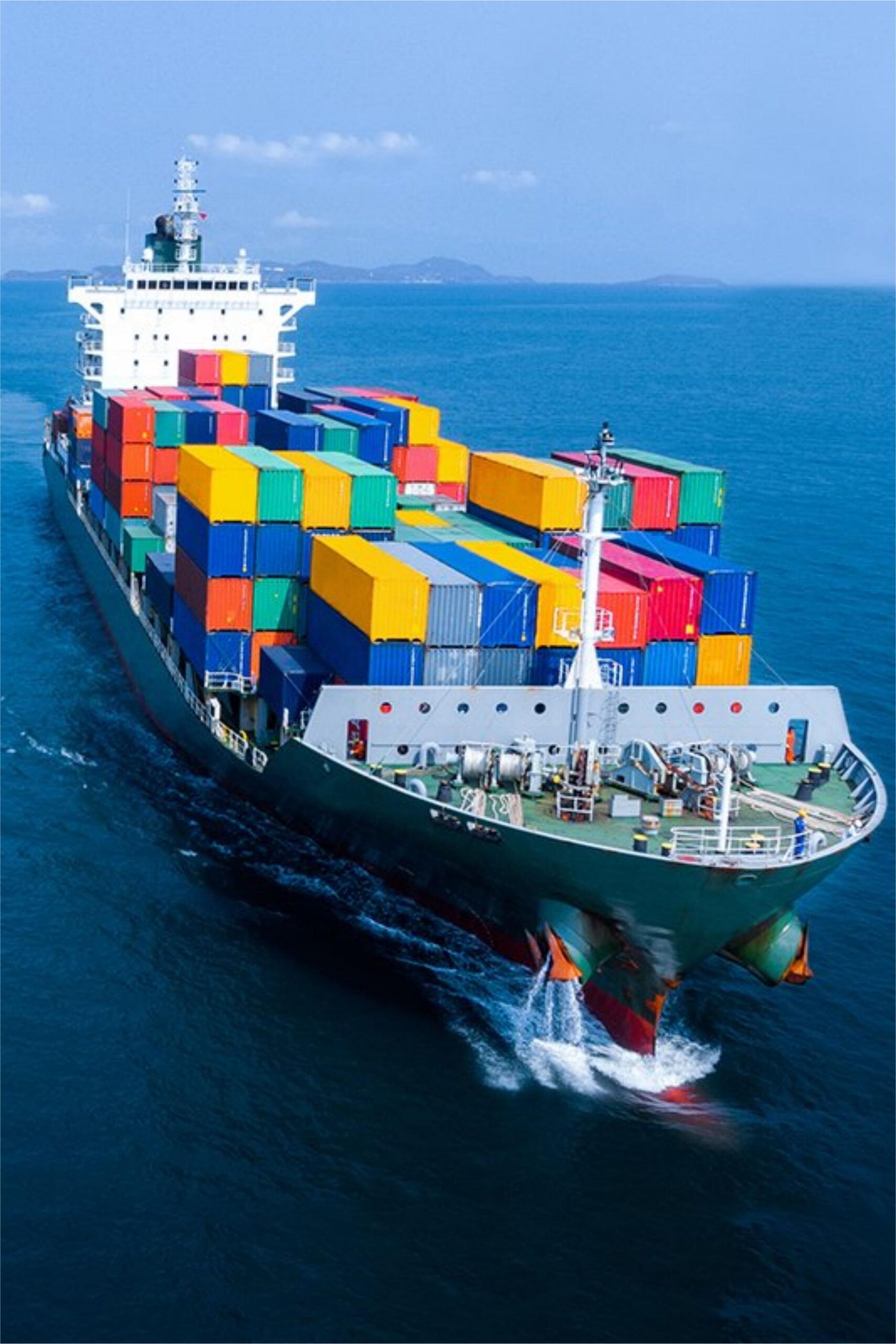
Shipping Cost China to India: 2026 Complete Guide to Freight Rates
Navigating the complexities of international trade requires a clear understanding of the financial implications involved in logistics. As of 2026, many businesses are looking for ways to optimize their shipping cost China to India while maintaining supply chain efficiency and reliability. Partnering with a reliable partner like ailogisticschina.com ensures that your cargo moves smoothly across borders without unexpected delays or hidden charges. This guide provides a comprehensive breakdown of current market rates, transit times, and strategic advice for your import operations.

What Factors Influence the Shipping Cost China to India?
Several variables determine the final price you pay for transporting goods across this major trade route. Specifically, the weight and volume of your cargo are the primary drivers of cost in both sea and air transport. Consequently, choosing between Full Container Load (FCL) and Less than Container Load (LCL) becomes a critical decision for sea shipments. Furthermore, fuel surcharges, known as the Bunker Adjustment Factor (BAF), fluctuate based on global oil prices in early 2026.
Moreover, seasonal demand significantly impacts the shipping cost China to India throughout the year. For instance, the weeks leading up to the Chinese New Year and the Diwali festival in India often see a 20-30 percent spike in rates. Additionally, port congestion and equipment availability in major hubs like Ningbo or Shanghai can lead to temporary surcharges. Therefore, booking your shipment at least 3-4 weeks in advance is highly recommended to secure better pricing.
Insurance and documentation fees also contribute to the total landed cost of your goods. While these might seem like minor expenses, they provide essential protection against potential transit risks. In addition, the choice of Incoterms, such as FOB or CIF, dictates which party bears the responsibility for specific costs. Notably, understanding these terms helps you avoid unexpected invoices from local agents upon the arrival of your cargo.
How Does Sea Freight Compare to Other Shipping Options?
Ocean transport remains the most economical method for moving large volumes of goods from China to India. Currently, sea freight offers the best balance between cost and capacity for bulk commodities and manufactured items. However, the longer transit times compared to air transport require careful inventory planning. Most shipments from China to major Indian ports like Nhava Sheva or Mundra take between 14 to 25 days.
Alternatively, air freight provides a much faster solution for time-sensitive or high-value cargo. While the cost is significantly higher, the reduced transit time of 3 to 7 days can be vital for electronics or urgent spare parts. Consequently, businesses must weigh the urgency of their delivery against the higher price point of air transport. For smaller parcels, express services offer a convenient door-to-door solution with integrated customs handling.
Market data suggests that sea freight rates for a 20-foot container have stabilized in early 2026 after the fluctuations seen in previous years. Meanwhile, air freight rates remain sensitive to aviation fuel prices and belly-hold capacity on commercial flights. To summarize, the choice of method depends heavily on your budget, timeline, and the nature of the cargo being moved.
| Shipping Method | Cost Range | Transit Time | Best For |
|---|---|---|---|
| Sea Freight (FCL) | $1,200 – $2,800 | 14 – 25 Days | Bulk goods, heavy machinery |
| Sea Freight (LCL) | $40 – $90 per CBM | 18 – 30 Days | Small business shipments |
| Air Freight | $3.50 – $6.50 per kg | 3 – 7 Days | High-value, urgent items |
| Express Courier | $7.00 – $12.00 per kg | 2 – 5 Days | Samples and documents |
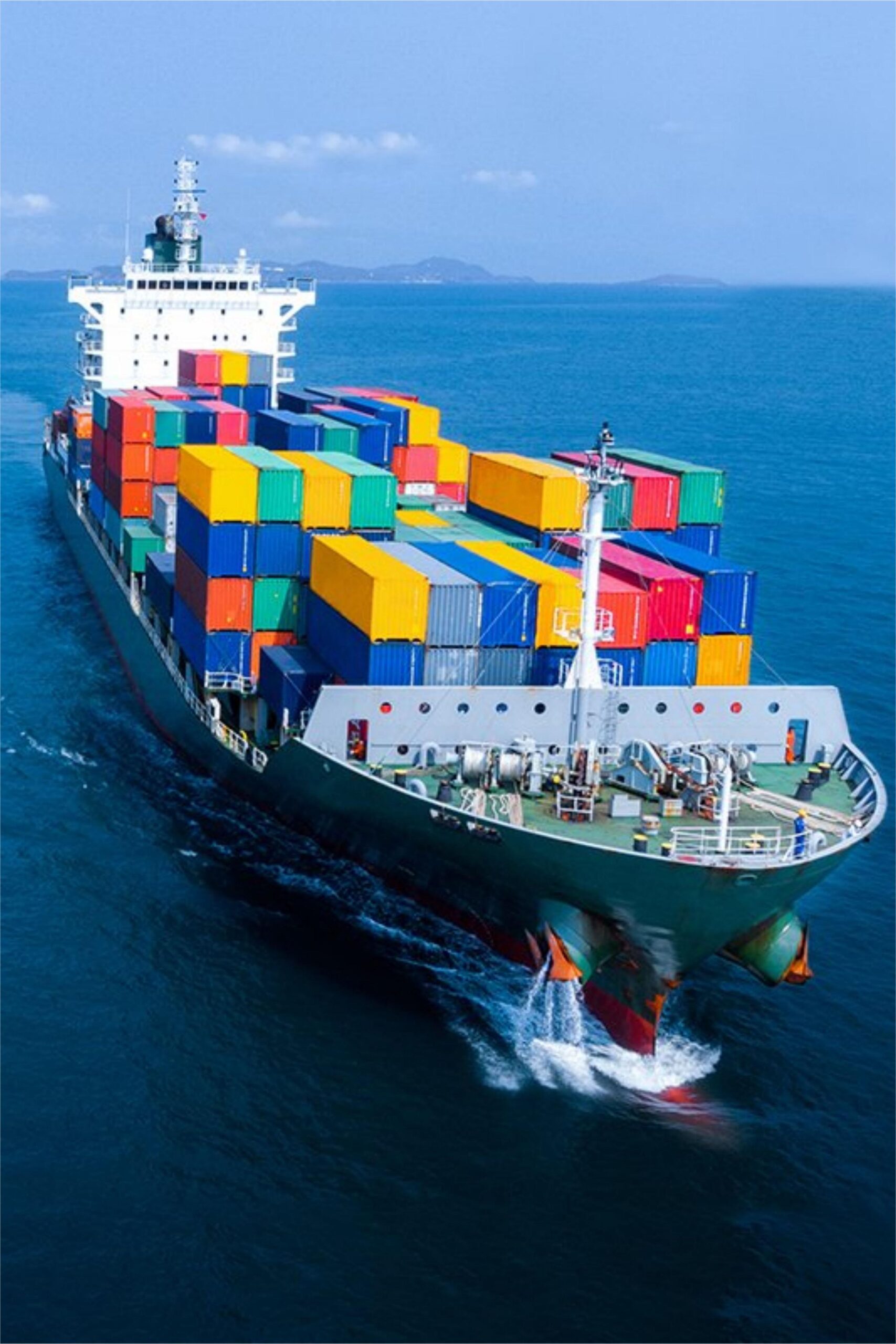
Understanding FCL vs LCL Shipping Costs
Full Container Load (FCL) is typically the most cost-effective option for shipments exceeding 15 cubic meters. By paying for the entire container, you gain exclusive use of the space and minimize the risk of damage during handling. Furthermore, FCL shipments often move faster because they do not require the consolidation and deconsolidation processes associated with smaller loads. In 2026, many Indian importers prefer 40HQ containers for light but voluminous consumer goods.
On the other hand, Less than Container Load (LCL) allows you to pay only for the space your cargo occupies. This is an excellent choice for startups or businesses testing new products in the Indian market. However, the cost per unit of volume is usually higher than FCL due to the additional labor required for consolidation. Additionally, LCL shipments may face slightly longer transit times as they wait for the container to be filled with other goods.
Notably, the break-even point between LCL and FCL often occurs around the 13-15 CBM mark. If your shipment is near this volume, it might be cheaper to book a full 20-foot container even if you do not fill it completely. Consequently, requesting quotes for both options is a smart strategy to ensure you are getting the best value for your shipping cost China to India.
Hidden Costs and Customs Duties in China-India Trade
Calculating the shipping cost China to India involves more than just the ocean or air freight rate. You must also account for local charges at both the origin and destination ports. These include Terminal Handling Charges (THC), documentation fees, and port security surcharges. Furthermore, hiring a professional for customs brokerage is essential to navigate the complex Indian GST and Basic Customs Duty (BCD) structures.
Specifically, the Indian customs process requires accurate HSN codes to determine the correct tax percentage for your products. Incorrect classification can lead to significant fines or lengthy delays at the port of entry. Moreover, Integrated Goods and Services Tax (IGST) is applied to the landed value of the goods, including insurance and freight. Therefore, ensuring your commercial invoice and packing list are perfectly aligned is crucial for a smooth clearance process.
Additional costs may also arise from storage fees if your cargo is not cleared within the allotted free time at the port. These ‘demurrage’ and ‘detention’ charges can accumulate quickly, significantly impacting your profit margins. Consequently, having all your paperwork ready before the ship arrives is the best way to avoid these unnecessary expenses. Indeed, proactive management of the clearance process is as important as finding a low freight rate.
Case Studies: Real-World Shipping Scenarios for 2026
Case Study 1: Electronics from Shenzhen to Mumbai. A tech distributor imported 500 units of smart home devices using air freight. The total weight was 450 kg, and the shipping cost China to India was approximately $2,475. The cargo arrived at Mumbai International Airport in 4 days, allowing the distributor to meet a sudden surge in market demand. This example highlights the value of speed in the fast-moving electronics sector.
Case Study 2: Industrial Machinery from Shanghai to Nhava Sheva. A manufacturing plant ordered a 40HQ container of textile machinery. The ocean freight cost was $2,400, with an additional $600 in port charges and local delivery fees. The total door-to-door transit time was 22 days. By choosing FCL, the company ensured the heavy machinery was handled minimally, reducing the risk of mechanical damage during the long voyage.
Case Study 3: Small Retail Batch from Guangzhou to Chennai. An e-commerce seller used LCL to ship 4 CBM of fashion accessories. The freight cost was $320, plus customs duties and local handling. Despite a longer transit time of 28 days due to consolidation, the low entry cost allowed the seller to maintain a healthy margin. This case demonstrates how LCL supports small-scale importers in testing the Indian market without high upfront logistics costs.
How to Reduce Your Shipping Cost China to India
Implementing a few strategic changes can lead to significant savings on your annual logistics budget. Firstly, optimizing your packaging to reduce wasted space can lower both your CBM measurements and your overall freight bill. Many manufacturers in China are now using more efficient palletizing techniques to maximize container utilization. Furthermore, consolidating multiple small orders from different suppliers into a single shipment can help you move from expensive LCL to more economical FCL rates.
Secondly, choosing a door-to-door shipping service can often be more cost-effective than managing each leg of the journey separately. These all-inclusive packages simplify the billing process and often include discounted rates for inland trucking. Additionally, negotiating long-term contracts with freight forwarders can provide price stability in a volatile market. As a result, you can better predict your landing costs and set more accurate retail prices.
Finally, staying informed about the latest trade agreements and duty exemptions between China and India is vital. Some product categories may qualify for lower tariffs under specific regional trade frameworks. Moreover, utilizing bonded warehouses can help you defer the payment of duties until the goods are actually sold. To summarize, a combination of better packaging, consolidation, and expert logistics advice is the key to minimizing your shipping cost China to India.
Which Option Should You Choose? A Decision Framework
Selecting the right shipping method requires a clear understanding of your business priorities and product requirements. If your primary goal is to minimize expenditure and you have a flexible timeline, sea freight is undoubtedly the best choice for bulk shipments. Conversely, if you are shipping high-margin goods or need to replenish stock urgently, the speed of air freight justifies the higher investment. Many businesses now use a hybrid approach, shipping the bulk of their stock by sea and using air for urgent top-ups.
For those selling on digital platforms, specialized Amazon FBA services can streamline the entire process from the Chinese factory to the Indian warehouse. These services often include labeling, quality inspection, and direct delivery to fulfillment centers, saving you time and reducing the risk of non-compliance. Furthermore, consider the fragility of your goods; air freight generally involves less handling and a smoother ride than the rougher sea environment. Ultimately, the best decision is one that aligns your logistics strategy with your customer’s expectations for delivery speed.
Note: Freight rates are subject to change based on fuel costs, carrier capacity, and seasonal demand. Contact us for a current quote tailored to your specific shipment.
Final Thoughts on 2026 Shipping Trends
Managing your shipping cost China to India effectively is a cornerstone of a successful import business in 2026. By understanding the differences between sea and air freight, accounting for hidden port charges, and utilizing strategic consolidation, you can maintain a competitive edge. Furthermore, the Indian market continues to grow, offering immense opportunities for those who can navigate the logistics landscape with precision. Remember that the cheapest rate is not always the best value; reliability and clear communication with your freight partner are equally important. As you plan your next shipment, use the insights from this guide to make informed decisions that support your long-term growth and profitability.
Need a tailored shipping solution?
Ready to optimize your supply chain and reduce your shipping cost China to India for 2026? Contact our expert team today for a personalized quote and professional logistics advice tailored to your business needs. Send Inquiry: https://ailogisticschina.com/