

Sea Freight China Poland: The Complete 2025 Logistics Guide
Navigating the complexities of sea freight china poland is essential for businesses seeking to optimize their European supply chains. This comprehensive guide provides actionable insights into ocean logistics to help you reduce costs and improve delivery reliability. Visit ailogisticschina.com to explore professional shipping solutions tailored to your specific commercial needs.
How Does Sea Freight Compare to Other Shipping Options?
Choosing the right transportation mode involves balancing speed, cost, and cargo volume. While sea freight remains the most economical choice for bulky items, other methods offer distinct advantages for specific scenarios.
Moreover, businesses must evaluate the trade-offs between ocean transit and faster alternatives like air freight or rail freight. For instance, air transport suits high-value electronics, whereas rail provides a middle ground for urgent land-based shipments.
Consequently, sea freight china poland serves as the backbone for large-scale imports due to its massive capacity and lower carbon footprint per ton. However, you should consider the longer lead times which require careful inventory planning.
| Shipping Method | Cost Range | Transit Time | Best For |
|---|---|---|---|
| Sea Freight | $1,800 – $4,200 | 30 – 45 Days | Bulk & Heavy Cargo |
| Rail Freight | $4,500 – $7,500 | 15 – 22 Days | Mid-size Shipments |
| Air Freight | $8,000 – $18,000 | 3 – 7 Days | Urgent Deliveries |
Understanding FCL and LCL Sea Freight China Poland
Full Container Load or FCL is ideal for importers who have enough cargo to fill a 20ft or 40ft container. This method ensures that your goods remain isolated from other shipments, reducing the risk of damage or contamination during transit.
Alternatively, Less than Container Load or LCL allows you to share container space with other shippers. This approach is highly cost-effective for smaller volumes, though it often involves additional handling at consolidation warehouses.
Furthermore, FCL typically offers faster transit times because the container moves directly from the origin to the destination without stopping for consolidation. In contrast, LCL shipments may experience slight delays during the loading and unloading phases.
Therefore, we recommend FCL for shipments exceeding 15 cubic meters to maximize your shipping budget. For smaller batches, LCL remains the superior choice for maintaining a lean supply chain.
Major Ports for Sea Freight China Poland Routes
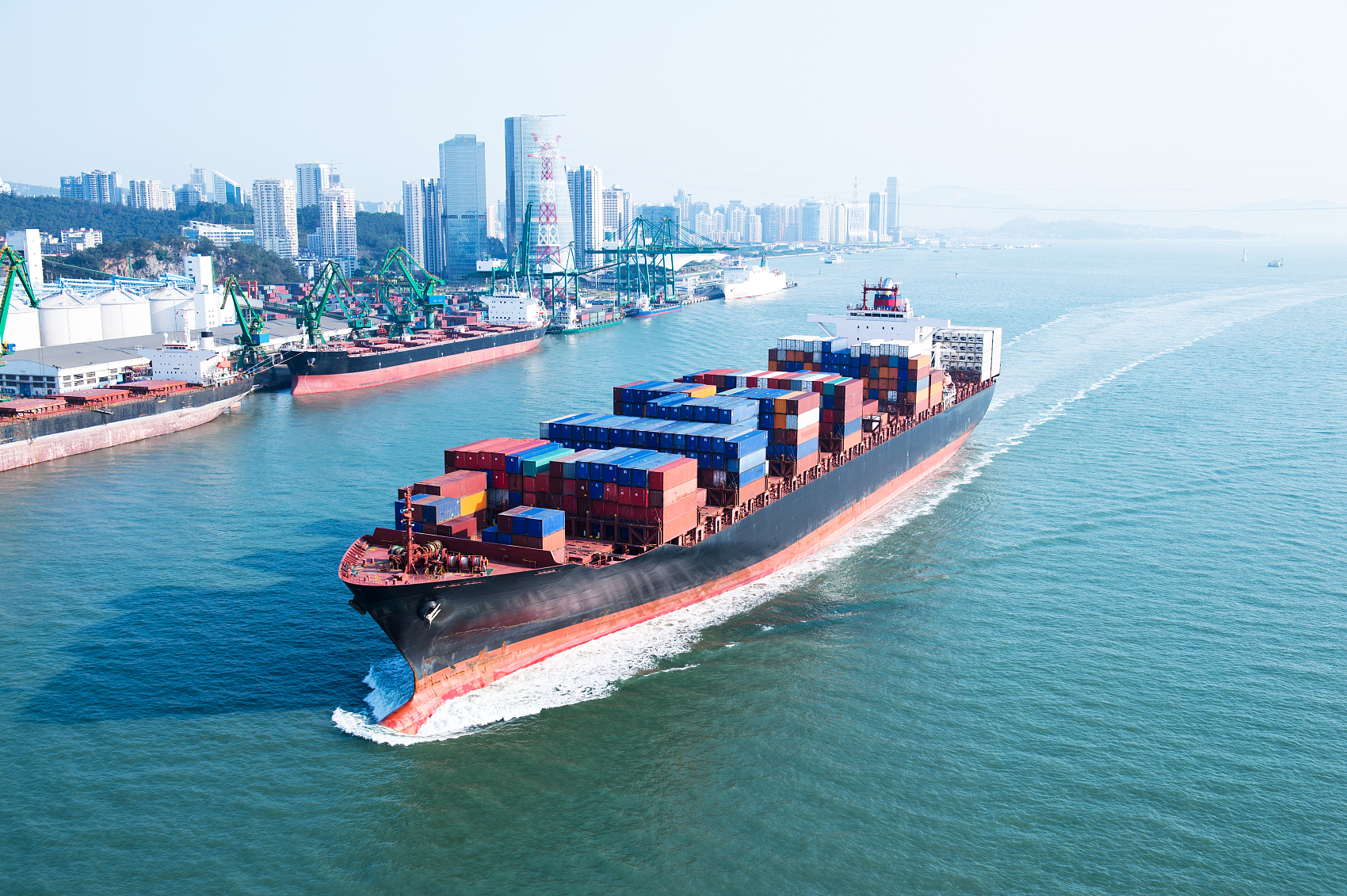
China hosts several of the world’s busiest ports that serve the Polish market efficiently. Specifically, ports like Shanghai, Ningbo-Zhoushan, and Shenzhen handle the majority of westbound ocean traffic.
On the Polish side, the Port of Gdansk and the Port of Gdynia act as the primary gateways for maritime trade. These ports feature modern deep-water terminals capable of receiving the largest container vessels in operation today.
Additionally, the Port of Gdansk has seen significant investment in its Baltic Hub, making it a central distribution point for Central and Eastern Europe. Meanwhile, Gdynia remains a critical hub for specialized cargo and feeder services.
Consequently, selecting the right port combination can significantly impact your total landed cost and inland transportation efficiency.
| China Port | Poland Port | Average Transit | Route Type |
|---|---|---|---|
| Shanghai | Gdansk | 32 – 36 Days | Direct/Transship |
| Ningbo | Gdynia | 34 – 38 Days | Transshipment |
| Shenzhen | Gdansk | 30 – 35 Days | Direct |
| Qingdao | Gdansk | 38 – 42 Days | Transshipment |
What Factors Influence Sea Freight China Poland Costs?
Ocean freight rates are famously volatile and depend on various global economic factors. For example, fuel surcharges, known as Bunker Adjustment Factors, fluctuate based on international oil prices.
Moreover, seasonal demand plays a massive role in pricing trends. During the peak season from August to October, rates often increase by 20 percent as retailers prepare for the holiday rush.
In addition, equipment availability and port congestion can lead to surcharges or premium fees. Therefore, booking your shipment at least 3 to 4 weeks in advance is a wise strategy to secure better rates.
Note: Freight rates are subject to change based on fuel costs, carrier capacity, and seasonal demand. Contact us for a current quote tailored to your specific shipment.
Navigating Customs and Documentation for Poland
Successful importing requires meticulous attention to detail regarding legal paperwork and compliance. You must work with a reliable customs brokerage to ensure your goods clear the Polish border without costly delays.
Essential documents include the Bill of Lading, Commercial Invoice, and Packing List. Furthermore, a Certificate of Origin may be required to qualify for specific trade agreements or tariff reductions.
Additionally, ensure that your EORI number is active and correctly associated with your business entity. Failure to provide accurate HS codes can result in significant fines or cargo seizures by Polish customs authorities.
Consequently, professional guidance is invaluable for navigating the Integrated Tariff of the European Communities or TARIC system.
| Document Name | Purpose | Required By | Format |
|---|---|---|---|
| Bill of Lading | Title of Goods | Carrier/Customs | Digital/Original |
| Commercial Invoice | Value Declaration | Customs | Digital |
| Packing List | Cargo Details | Warehouse/Customs | Digital |
| EORI Number | EU ID for Trade | Customs | Registration |
Real-World Case Studies for Sea Freight China Poland
Examining actual shipping scenarios provides a realistic view of the logistics landscape. Below are two examples based on early 2025 market data and typical operational timelines.
Case Study 1: Electronics from Shenzhen to Gdansk. A technology firm shipped a 40HQ container of consumer electronics via a direct route. The total ocean freight cost was approximately $3,400 with a door-to-door timeline of 42 days.
Case Study 2: Furniture from Ningbo to Gdynia. A small business utilized LCL services for 8 cubic meters of office furniture. The landed cost, including destination charges and customs clearance, totaled $1,250 with a transit time of 48 days.
Key Insight: Both cases highlight that while sea transit is slow, the cost savings compared to air freight are substantial for non-urgent inventory.
Case Study 1: High Volume Electronics
Route: Shenzhen, China to Gdansk, Poland. Cargo: Electronic components, 65 CBM, 12,000 kg. Container: 40HQ. Carrier: Major carrier. Port of Loading: Shenzhen. Port of Discharge: Gdansk. Route Type: Direct.
Cost Breakdown: Ocean Freight: $3,400. Origin Charges: $450. Destination Charges: $600. Customs and Duties: $1,200. Total Landed Cost: $5,650. Timeline: Booking to Loading: 5 days. Sea Transit: 33 days. Customs Clearance: 2 days. Total Door-to-Door: 42 days.
Case Study 2: LCL Furniture Shipment
Route: Ningbo, China to Gdynia, Poland. Cargo: Wooden furniture, 8 CBM, 2,500 kg. Container: LCL. Carrier: Consolidation service. Port of Loading: Ningbo. Port of Discharge: Gdynia. Route Type: Transshipment via Hamburg.
Cost Breakdown: Ocean Freight: $480. Origin Charges: $200. Destination Charges: $350. Customs and Duties: $850. Total Landed Cost: $1,880. Timeline: Booking to Loading: 7 days. Sea Transit: 38 days. Customs Clearance: 3 days. Total Door-to-Door: 52 days.
Which Shipping Option Should You Choose?
Determining the best strategy depends on your specific business priorities and cargo characteristics. If your primary goal is cost reduction for high-volume goods, sea freight china poland is almost always the winner.
However, if you are dealing with perishable goods or extremely tight deadlines, you might consider a hybrid approach. For example, sea-air solutions can offer a balance between the speed of air and the savings of ocean transport.
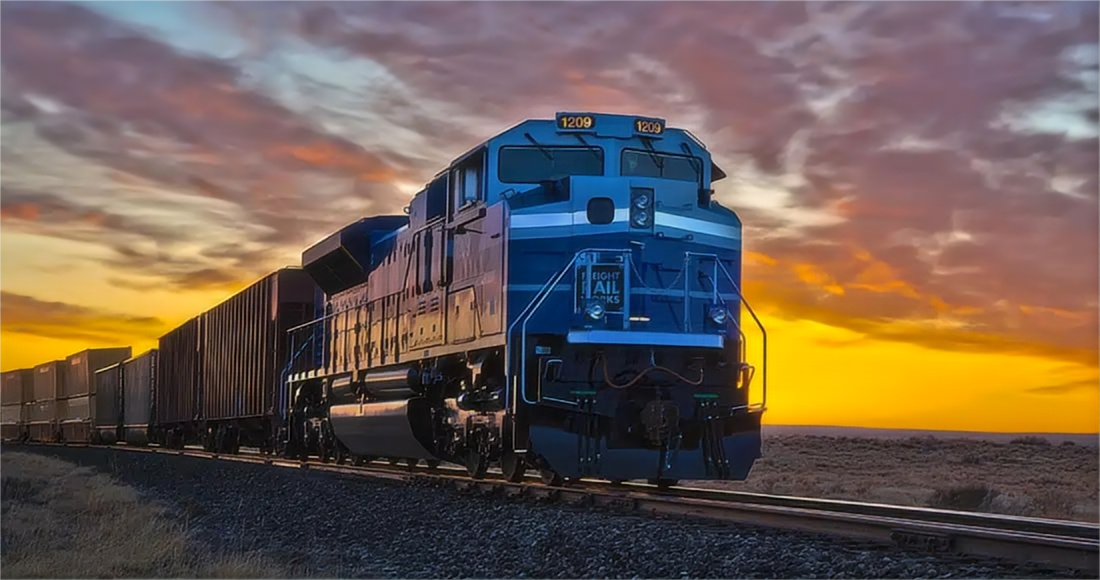
Additionally, for landlocked regions in Poland or urgent mid-sized shipments, rail freight provides a reliable alternative to the sea. It is typically 50 percent faster than the ocean while remaining significantly cheaper than air.
Consequently, we recommend performing a total landed cost analysis for each shipment to determine the most efficient logistics path.
Strategic Cost-Saving Tips for Polish Importers
Reducing your logistics spend requires a proactive approach to supply chain management. One effective method is to optimize your packaging to fit more units into a single container, thereby lowering the cost per item.
Moreover, negotiating Incoterms correctly can shift the burden of costs and risks in your favor. For instance, buying on FOB terms gives you more control over the sea freight china poland process compared to CIF terms.
Furthermore, consolidating multiple small orders into one FCL shipment can save thousands of dollars in port fees and handling charges. Meanwhile, choosing off-peak shipping dates can help you avoid seasonal rate hikes.
Therefore, partnering with a freight forwarder that offers door to door services can simplify the process and reveal hidden savings.
Final Thoughts on Shipping from China to Poland
In summary, sea freight china poland remains the most vital link for trade between these two nations. By understanding the nuances of FCL vs LCL, port selections, and customs requirements, you can build a more resilient supply chain.
Indeed, the right logistics strategy will allow your business to scale while maintaining healthy profit margins. Always stay informed about market trends and maintain flexibility in your shipping schedules to navigate the ever-changing maritime landscape.
Ready to streamline your logistics?
Ready to optimize your sea freight china poland logistics? Our team provides competitive rates and expert handling for all your ocean shipments. Contact us today to receive a personalized quote and streamline your import process. Visit ailogisticschina.com to get started. Send Inquiry: https://ailogisticschina.com/
Request Quote